






























From fashion and traditional crafts to electronics and manufactured goods, Uzbek companies are increasingly looking beyond production to build brands that can compete at home and reach consumers abroad.
The “Made in Uzbekistan” label is appearing across an increasingly diverse range of products, as local companies expand production and entrepreneurs look to turn locally made goods into recognisable brands.
 ADVERTISEMENT
ADVERTISEMENT
ADVERTISEMENT
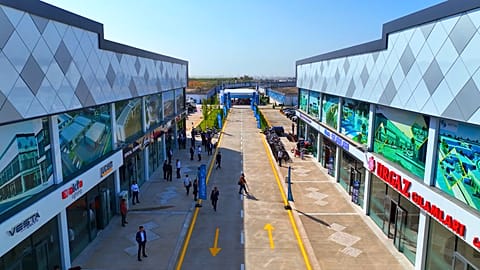
The shift can be seen across industries, from textiles, clothing and traditional crafts to electronics, home appliances, food and other manufactured products. It comes amid broader growth in Uzbekistan's manufacturing and exports: industrial production increased by 6.8% in 2025, while exports rose by 24% to about €29 billion, according to the National Statistics Committee.
Changing attitudes towards local products
That change has been particularly visible in Uzbekistan's creative sector.
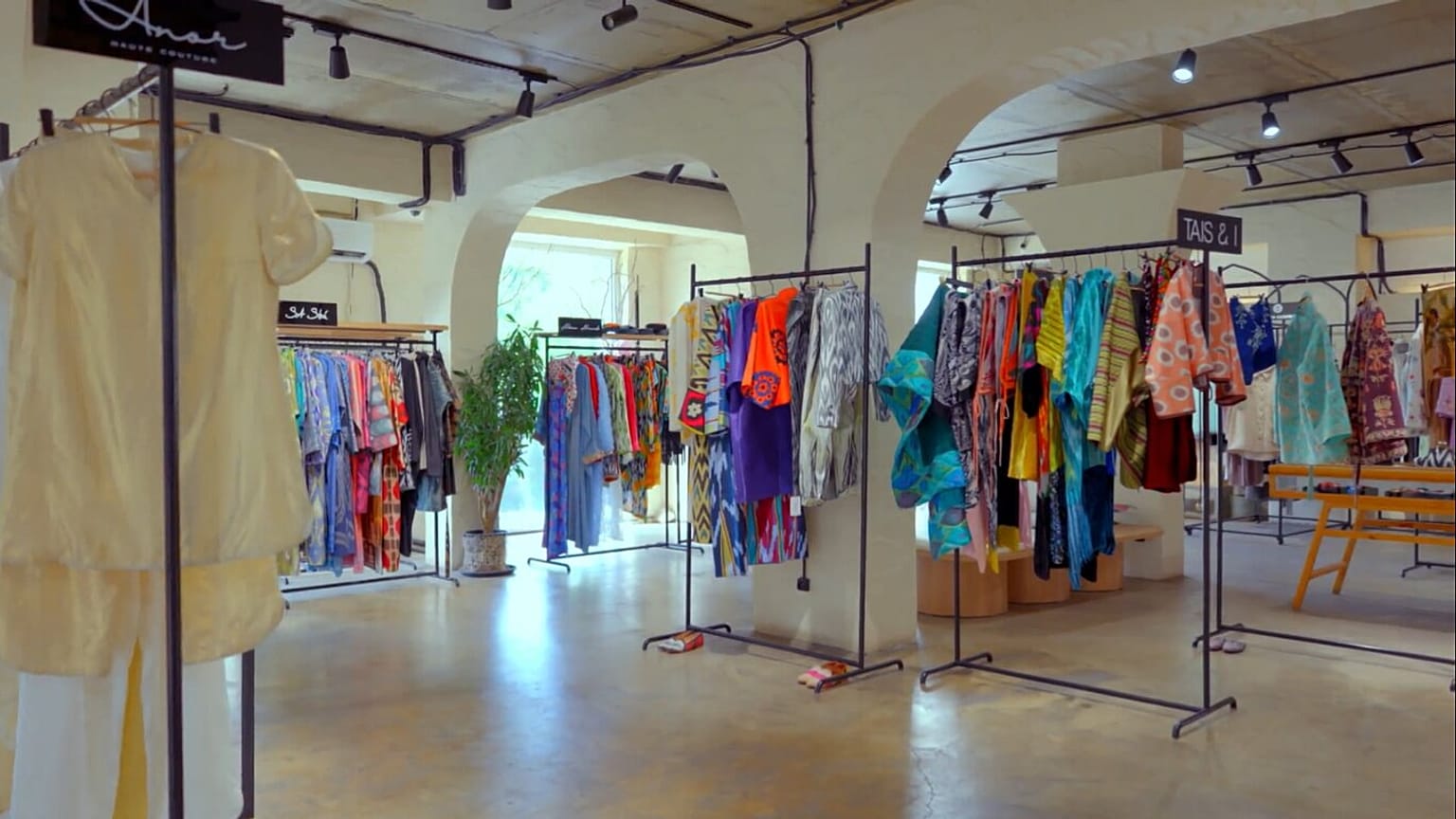
Teplo Store started organising markets for local designers in 2018 before expanding into a permanent store, festivals and, more recently, an online platform. Today, its store represents around 100 designers, while its festivals can bring together up to 150 participants. Overall, more than 200 designers have worked through the platform.
Co-founder Charos Kamalova says attitudes towards locally made products have changed considerably during that time.
When the project began, she said, products made in Uzbekistan were often associated either with traditional crafts or affordable mass-market goods. Independent designers have since helped create another category based around distinctive ideas, presentation and quality.
“Today it became kind of cool to support local brands,” Kamalova said. “People are coming here, buying this stuff and showing others that, look, I'm supporting local brands.”
Traditional craftsmanship remains an important part of that identity, but designers are increasingly adapting it to contemporary products.
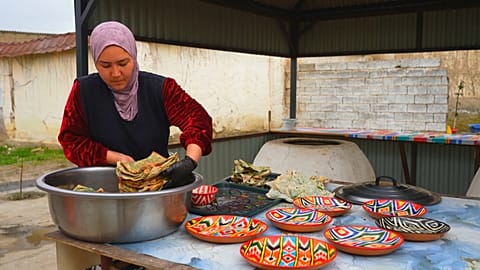
Designer Gulnoza Jo‘rayeva has worked with traditional Uzbek adras, a silk-and-cotton textile, and natural silk for more than 12 years. Her business started at home before gradually expanding and is now represented in seven locations across Uzbekistan.
The production involves young designers, seamstresses and artists, while much of the process remains based on manual work and traditional techniques. Demand has also extended beyond Uzbekistan: the company ships worldwide and has received requests from customers to expand into other cities.
For Teplo co-founder Timur Kamolov, this heritage gives Uzbek designers an advantage — but only if it can be adapted to the needs of modern consumers.
“The key competitive advantage for our brands would be the craftsmanship that we have,” he said.
Kamolov argues that traditional techniques need to be reinterpreted in contemporary and practical products if designers want to compete internationally. At the same time, companies need stronger business processes to turn creative projects into scalable businesses.
Moving beyond the domestic market
Some local brands are already testing demand abroad.
Teplo operated a six-month pop-up store in London's Soho and participated in the London Design Biennale, taking products from Uzbek independent designers directly to international consumers.
Kamalova said the project attracted visitors from different countries and demonstrated interest in Uzbek design beyond the domestic market.
“We saw people from around the world, not only locals in London, that showed huge interest,” she said. “We think that our designers have great potential there.”
Digital sales are providing another route. Teplo has since developed an online platform allowing customers outside Uzbekistan to buy products from local designers, while e-commerce marketplaces are creating additional channels for producers across different sectors to reach consumers abroad.
But moving from local production to international sales brings practical challenges.
For Teplo's London project, the company handled logistics, customs procedures and documentation for participating designers. Kamolov said these processes can be particularly difficult for independent creators, whose expertise often lies in design and production rather than international trade.
The challenge extends beyond the creative industries. According to figures presented by President Shavkat Mirziyoyev following a recent study of exporters, 40% reported difficulties finding foreign customers, while 36% struggled to adapt products to international standards and certification requirements. Another 37% pointed to insufficient financial instruments for exports, and 33% reported gaps in market information, marketing and branding skills.
Building brands for export
New measures announced in August during President Shavkat Mirziyoyev’s open dialogue with entrepreneurs aim to address some of those barriers as Uzbekistan seeks to increase exports and develop national brands.
An “Export Navigator” system is planned to support companies entering foreign markets. Authorities also intend to identify 100 products with export potential and provide guidance on overseas competitors, tariffs, certification requirements and logistics.
The measures specifically target branding and market access. Businesses will be eligible for subsidies of up to €43,000 to promote national brands abroad and adapt them to international requirements. Half the cost of bringing in foreign branding specialists is expected to be covered, as well as half of certain warehousing and sales expenses associated with marketplaces.
The government has also announced support covering 80% of consulting costs for participation in international tenders as part of a wider €860 million export-support system.
For Uzbekistan's businesses, these measures come as the idea of what constitutes a locally made product is broadening. Traditional materials and craftsmanship increasingly sit alongside modern manufacturing, independent design and new consumer businesses.
The next test is whether more producers can turn those locally made products into brands that consumers recognise beyond Uzbekistan.
Read more