















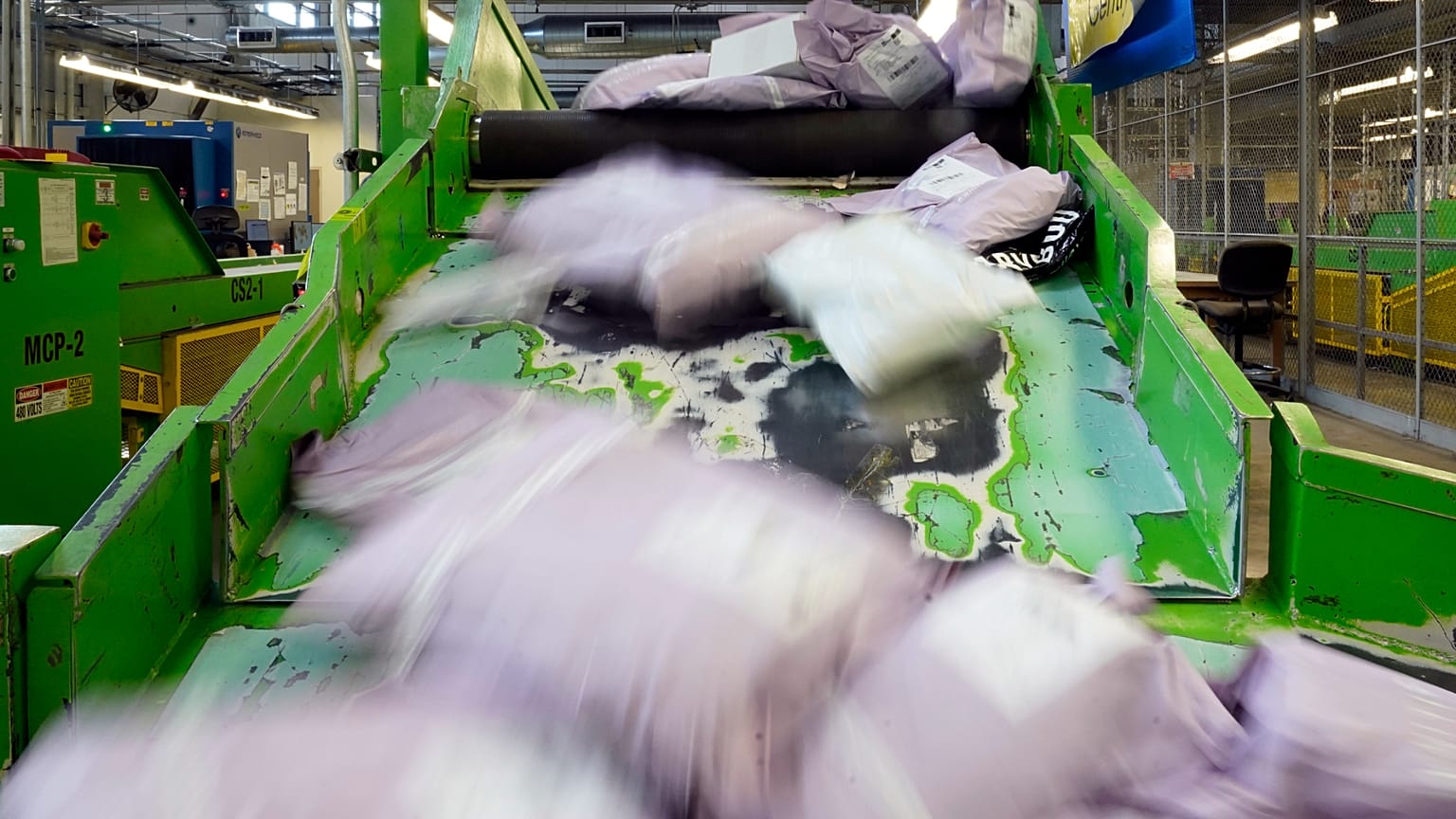













Since 1 July, the EU has levied a €3 customs duty on parcels worth under €150 and the measure is already biting as imports, especially from China, have slumped by 30% to 40%.
For years, small parcels from China have been flooding European letterboxes. Clothes, accessories, gadgets and everyday items ordered on Shein, Temu or AliExpress were arriving directly at consumers’ homes, at very low prices.
 ADVERTISEMENT
ADVERTISEMENT
ADVERTISEMENT
A system, an invasion for some, that the EU has seriously reined in.
Since 1 July, parcels worth less than or equal to €150 have been subject to a flat customs duty of €3 per product category. Until now, these small consignments were exempt from customs duties.
The impact of the measure has been swift.
According to French customs figures cited on Thursday by the economy ministry, the number of small parcels imported into the EU has fallen by 30 to 40% since the introduction of the tax.
The French government sees this as proof that tighter regulation can change consumer behaviour and the market dominance of major Chinese platforms.
Between June and July, sales volumes slumped on Temu (-50%) and AliExpress (-37%).
Shein has held up better (-15%), buoyed by the planned opening of a new warehouse in Poland at the end of 2025, which will help to ease the tax burden.
Why has Europe decided to act?
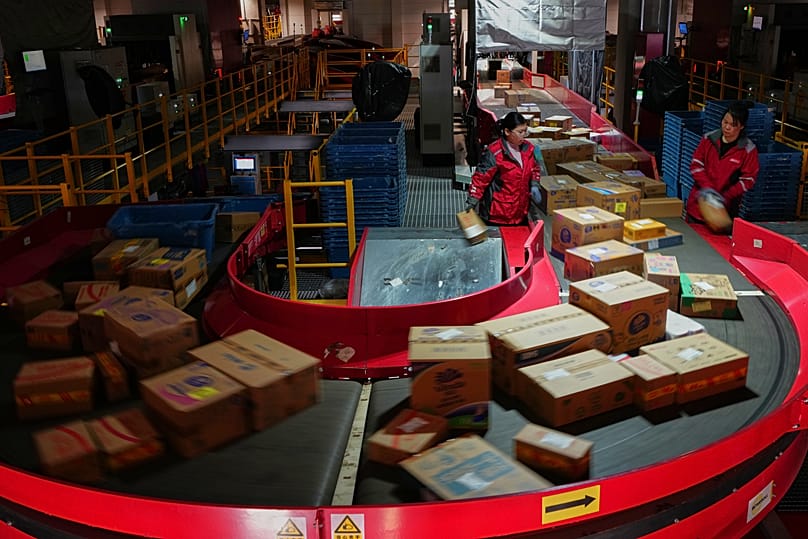
In 2025, 5.9 billion low-value items entered the EU, the equivalent of more than 16 million parcels a day.
For Brussels, the system gave large foreign platforms an advantage over European retailers, who have to comply with the same rules and pay duties on imports.
The European Commission has also highlighted safety concerns.
According to a survey carried out in 2025 in the EU, more than 60% of low-value products inspected did not comply with European requirements or safety standards.
The new rules therefore also allow customs authorities to better identify products that pose a risk.
Although effective, the measure is not permanent.
It is intended to accompany a broader reform of the European customs system in 2028.
Another step could come already in November, when additional fees to fund parcel handling may also be added.
The Shein figures also hint at what comes next.
A duty levied at the border can be sidestepped by moving the warehouse inside it, and a €3 charge that reshapes buying habits in a month is also a €3 charge that platforms can absorb, split across categories or price back into the product.
Brussels has proved it can slow the flow but whether it has changed where these goods ultimately come from is a question for the next two years.