
















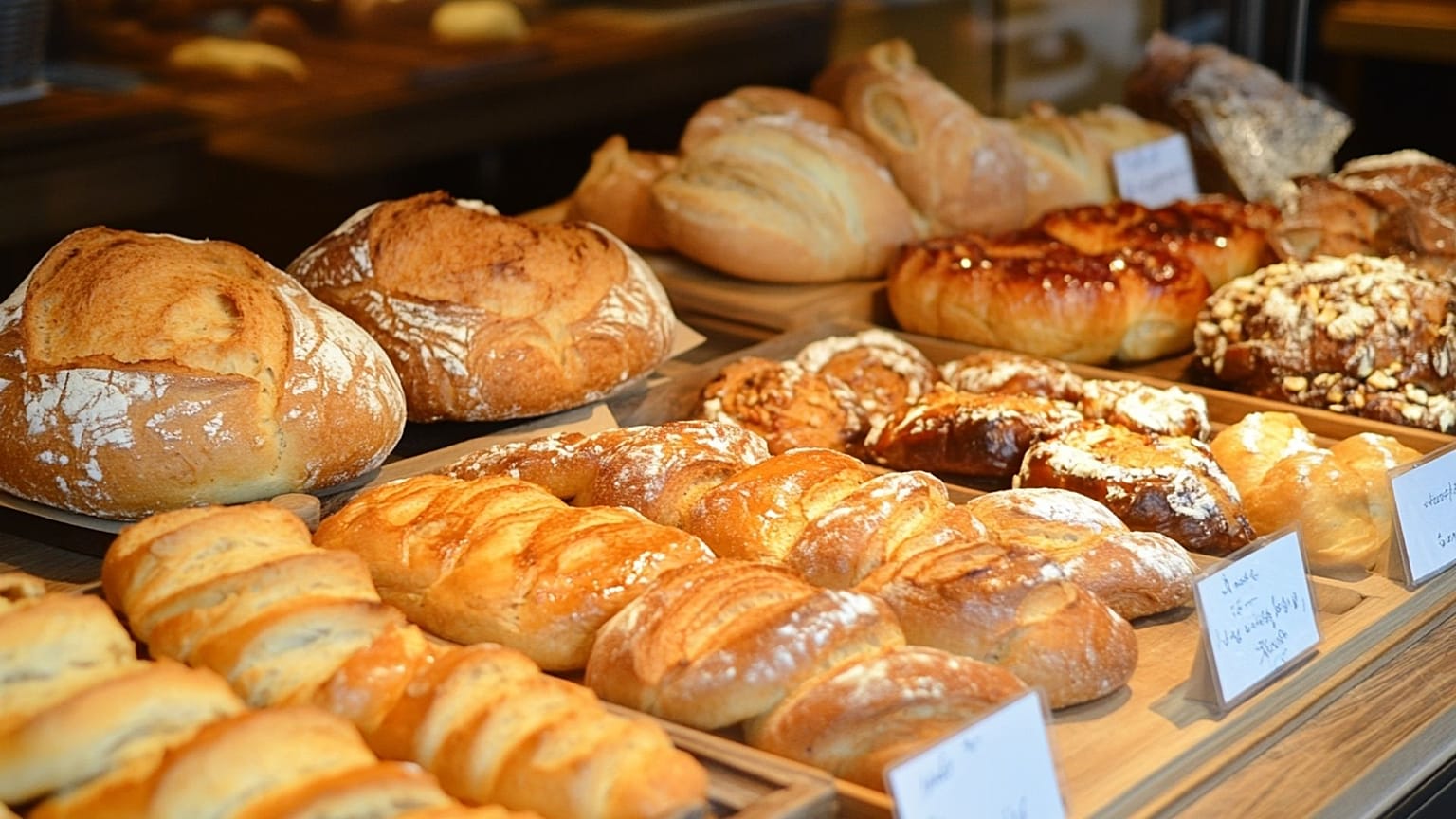













Global food prices are expected to increase by double digits in 2026 as Russia's escalating war in Ukraine worsens the impact of other food price shocks, according to Oxford Economics. Wheat is expected to face the greatest pressure, likely pushing up bread and pasta prices.
Global food prices are expected to increase by 11.8% this year and by 4.8% in 2027, with the most severe impact expected to be on crops — grains, fruit and vegetables — and dairy, according to Oxford Economics.
 ADVERTISEMENT
ADVERTISEMENT
ADVERTISEMENT
This comes as Europe’s extreme heat and drought have damaged crops, while farmers are also facing high energy and fertiliser prices, compounded by the wars in the Middle East and Ukraine.
Following Europe’s heatwave, Coceral, the Brussels-based European cereals and oilseeds trade association, issued an extraordinary update in July, cutting its forecast for the combined EU-27 and UK grain harvest from 295.5 million tonnes to 286.6 million tonnes. That compares with 310 million tonnes harvested in 2025.
Germany’s grain harvest is expected to fall by 7% this year after severe drought and heatwaves, according to AFP, citing a warning from the German Farmers’ Association on Tuesday. It forecast production of 41.9 million tonnes.
While the heatwave caused substantial damage, farmers also face higher costs because of disruption to oil and other raw-material supplies following the blockade of the Strait of Hormuz due to the Iran war.
Oxford Economics says that the most significant impact on food prices globally stems from the “US-Iran war and its impact on inputs for food production, mainly oil (diesel), natural gas and fertiliser,” Senior Economist Tomas Dvorak told Euronews Business.
Oxford Economics said global diesel prices surged 36% year on year in July, driven partly by disruption to the Strait of Hormuz, while fertiliser prices are forecast to rise by 22% this year.
At the same time, the war in Ukraine is also having a significant impact on global food prices.
Cereals form 25% of the global food price index, and the two countries “together account for just under 30% of total global wheat exports and above 10% of corn,” Dvorak said.
Attacks on Russian and Ukrainian ports, loading terminals and ships, as well as disruption to Black Sea and Sea of Azov grain exports, could affect 86 million tonnes of annual grain-export capacity — 52 million tonnes from Russia and 34 million tonnes from Ukraine — equivalent to almost 17% of global cereal exports, according to the report.
According to the UN Food and Agriculture Organisation, global food commodity prices were 1% higher in July than a year earlier, with cereal prices up 6.9% and vegetable-oil prices up approximately 17.3%.
Oxford Economics’ global food price index tracks commodity prices, so an increase does not automatically translate into an equivalent rise in supermarket prices.
The forecast increase in 2026 is still lower than the 14.2% rise recorded in 2022.
Which food prices could be most affected?
“The most severe impact will be in crops — grains, fruit and vegetables — and dairy,” Dvorak told Euronews Business, adding that these are the most severely affected by droughts and heat.
“This will also feed into prices of processed products — bread, cheese, wine or oil,” he continued. Products such as meat, on the other hand, are expected to be less affected.
As a fertiliser-intensive crop, wheat is under the greatest pressure, with prices expected to jump by 36% year on year to $6.92 a bushel — equivalent to about 27 kilograms of wheat — in the third quarter of 2026, according to the researchers.
Wheat is used in processed foods ranging from bread and pasta to breakfast cereals and biscuits.
“For fresh food, mainly fruit and vegetables, the impact will be relatively swift and likely visible in consumer prices in two to three months. For processed food, the lags tend to be longer, given the time for harvest and processing. There, we expect the peak impact on consumer prices in around six to nine months’ time,” Dvorak said.
That means fresh-food prices could begin reflecting the disruption between October and November 2026, while the greatest effect on processed-food prices could be felt between February and May 2027.
Jed Cartledge, an agricultural commodities economist at Oxford Economics, said the food price shock could prove more severe than forecast as the full impact of Black Sea attacks is still emerging and a strong El Niño threatens crops beyond Europe.
However, he added that higher wheat prices could make more expensive alternative export routes commercially viable, helping to offset some of the disruption.