




























The United States and Central Asian countries are seeking to advance investment projects in critical minerals as Washington looks to diversify supply chains for materials considered essential to national security and reduce dependence on China, which dominates much of the global market.
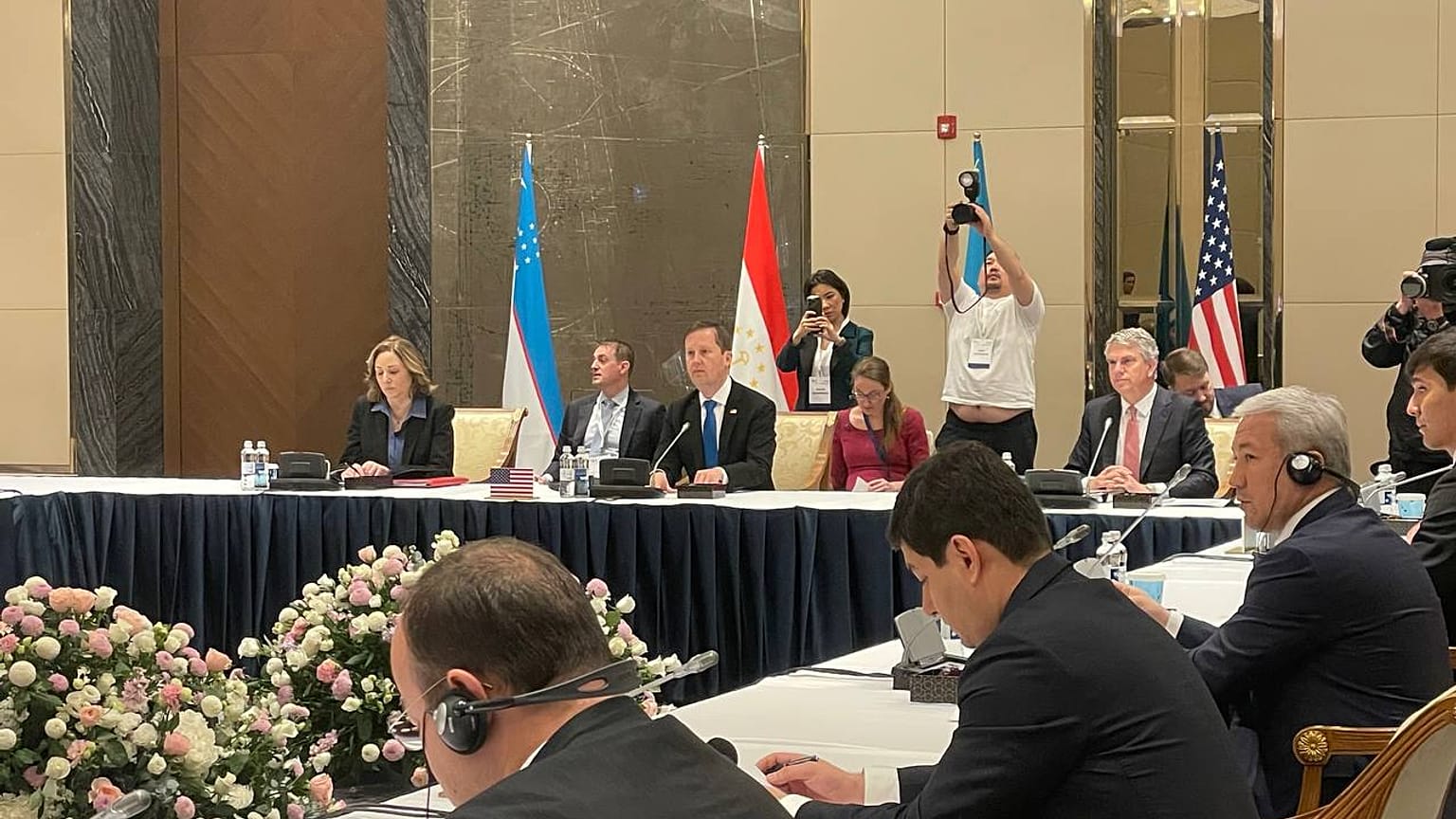
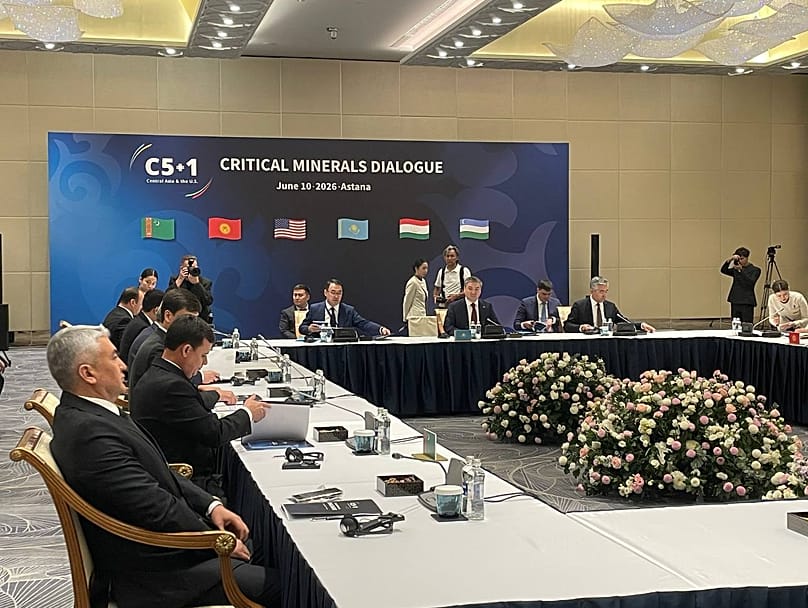
US Special Envoy for South and Central Asia Sergio Gor met officials from Kazakhstan, Uzbekistan, Kyrgyzstan, Tajikistan and Turkmenistan for the first in-person meeting of the critical minerals dialogue under the C5+1 format, which brings together the five Central Asian states and the United States.
 ADVERTISEMENT
ADVERTISEMENT
ADVERTISEMENT
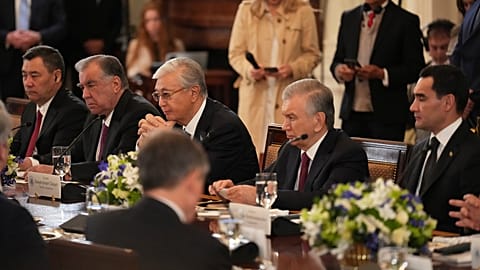
The meeting followed discussions launched between US President Donald Trump and Central Asian leaders during a C5+1 summit in Washington last year, where the parties agreed to deepen cooperation on critical minerals and related investments.
"When President Trump hosted the C5 in Washington last fall, he was clear that Central Asia had not received the attention it deserved from the United States and he was determined that would change," Gor said.
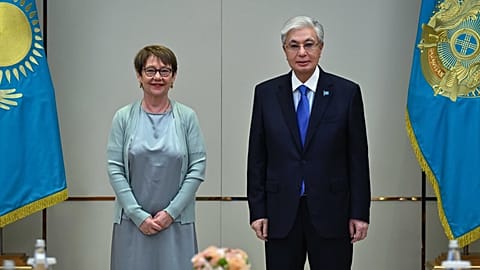
During a separate meeting with Kazakh President Kassym-Jomart Tokayev, Gor said the Kazakh leader had "a friend in the White House".
Central Asia's mineral wealth has attracted growing attention from Western governments seeking alternative sources of critical raw materials. Kazakhstan holds the region's largest and most diversified mineral base, with more than 9,500 identified deposits, including over 100 containing rare earth and other strategic minerals.
One challenge remains transportation. As landlocked states, Central Asian countries must rely on overland and maritime corridors to reach global markets.
A key route is the Middle Corridor, which connects Central Asia to Europe through the Caspian Sea, the South Caucasus and onward transport links.
"Central Asian countries and the American side are working together to develop common solutions for the exploration, extraction and delivery of these minerals to Western markets," said Azamat Panbayev, chairman of the Industry Committee at Kazakhstan's Ministry of Industry and Construction.
"One route runs across the Caspian Sea via the Middle Corridor, which is currently experiencing dynamic growth in cargo traffic and is developing rapidly."
Beyond transport, governments are seeking investment across the entire value chain, including geological exploration, extraction and mineral processing.
Many deposits across the region were first surveyed during the Soviet period and require additional exploration.
Kazakhstan, which attracted major US investment into its oil and gas sector in the 1990s, is now seeking to replicate that experience in mining and minerals.
"From a geopolitical perspective, the arrival of American companies contributes to greater balance," said Said Sultanov, founder of an Astana-based geological exploration and mining services company.
"China is present, Europe is present, Russia is present, and now American businesses are entering the market as well. This enhances competition and creates a healthier market environment."
Kazakhstan has proposed expanding cooperation with the United States through joint critical minerals projects, processing facilities, technology transfer, research partnerships and workforce training.
"Kazakhstan is interested not only in exporting raw materials, but also in developing joint production facilities, technology transfer, workforce training and scientific cooperation," Industry and Construction Minister Yersayin Nagaspayev said.
Kazakh officials say the country signed agreements worth $17 billion during meetings in Washington last year, including a memorandum of understanding covering cooperation on uranium, tungsten and rare earth elements.
Authorities expect the agreements to support domestic processing capacity and facilitate technology transfers. Kazakhstan has already reached agreements with Cove Capital on developing the Severniy Katpar and Verhniy Kairakty tungsten deposits.
The government has also introduced investment terms allowing foreign investors to retain majority stakes in some projects. Officials cite a recent tungsten agreement under which US-backed Kaz Resources Inc. will hold a 70% stake while Kazakhstan retains 30%.
Investment in geological exploration in Kazakhstan has more than tripled since 2018, exceeding $1 billion. Companies including Rio Tinto, Barrick Gold, First Quantum Minerals, Ivanhoe Mines and Fortescue have entered the Kazakh market.
Agreements and deals between the two countries reached over 20 billion dollars last year.
Critical minerals cooperation is expected to remain high on Washington's agenda, with further discussions planned between the C5+1 countries and the United States later this year.