




























The Bank of England has held its main interest rate at 3.75% in the wake of rising oil and gas prices following the start of the Iran war.
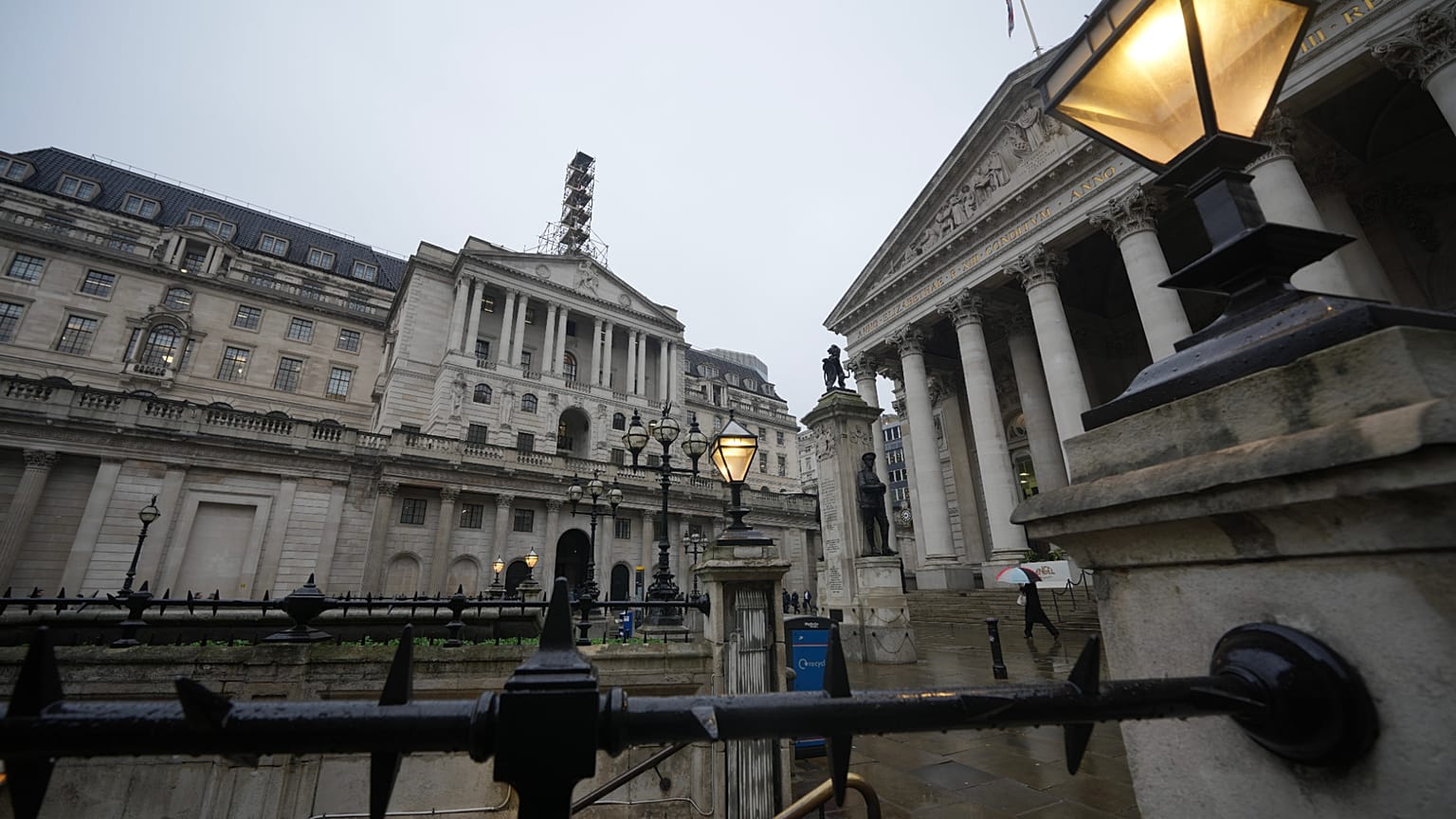
In a widely anticipated move, the Bank of England left its main interest rate on hold at 3.75% on Thursday.
 ADVERTISEMENT
ADVERTISEMENT
ADVERTISEMENT
"We have held interest rates at 3.75% as we assess how events unfold," Bank governor Andrew Bailey said. “Whatever happens, our job is to make sure inflation returns to its 2% target."
Before the Iran war broke out, inflation in the UK was expected to fall towards the 2% target in the coming months.
However, the current conflict, which has sent energy prices soaring, has made the outlook for UK inflation more uncertain, forcing policymakers to reconsider their expected move to cut interest rates.
The outbreak of war on 28 February has triggered a series of events that have upended global economic forecasts, particularly with regard to prices.
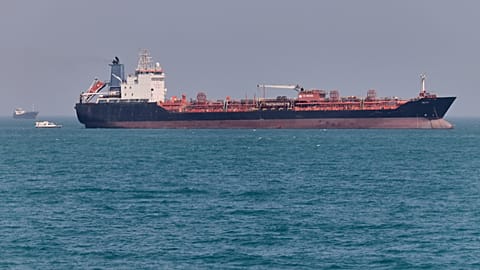
The longer the conflict continues, and the Strait of Hormuz remains closed, the greater the strain on the world economy. Around a fifth of the world’s crude oil passes through the strait.
The most tangible impact has been in oil and gas markets, with prices rising sharply since the start of the war. This has already pushed up prices at the pump and, if sustained, will lead to higher domestic energy bills.
“War in the Middle East has pushed up global energy prices,” Bailey said. “You can already see that at the petrol pump and, if it continues, it will feed into higher household energy bills later in the year.”
With these new inflationary pressures weighing on the global economy, central bankers are having to reassess their projections for 2026, both for inflation and growth.
On Wednesday, the US Federal Reserve also held its key interest rate and cautioned about the increasingly uncertain outlook.
For the Bank of England, this is likely to mean that inflation will not fall to its 2% target as quickly as previously expected and will result in a higher price path for the rest of the year — hardly a backdrop for further interest rate cuts any time soon.
“Things have shifted at such a pace that while rates have been held again today in a unanimous decision, and markets are now expecting rates to be raised by at least a quarter of a percent this year if not half of one," said Lindsay James, investment strategist at Quilter.
Keeping interest rates higher than they otherwise would be can help keep a lid on inflation. High interest rates weigh on the economy by making it more expensive for businesses and consumers to borrow, thereby dampening economic activity and, in turn, price pressures.