














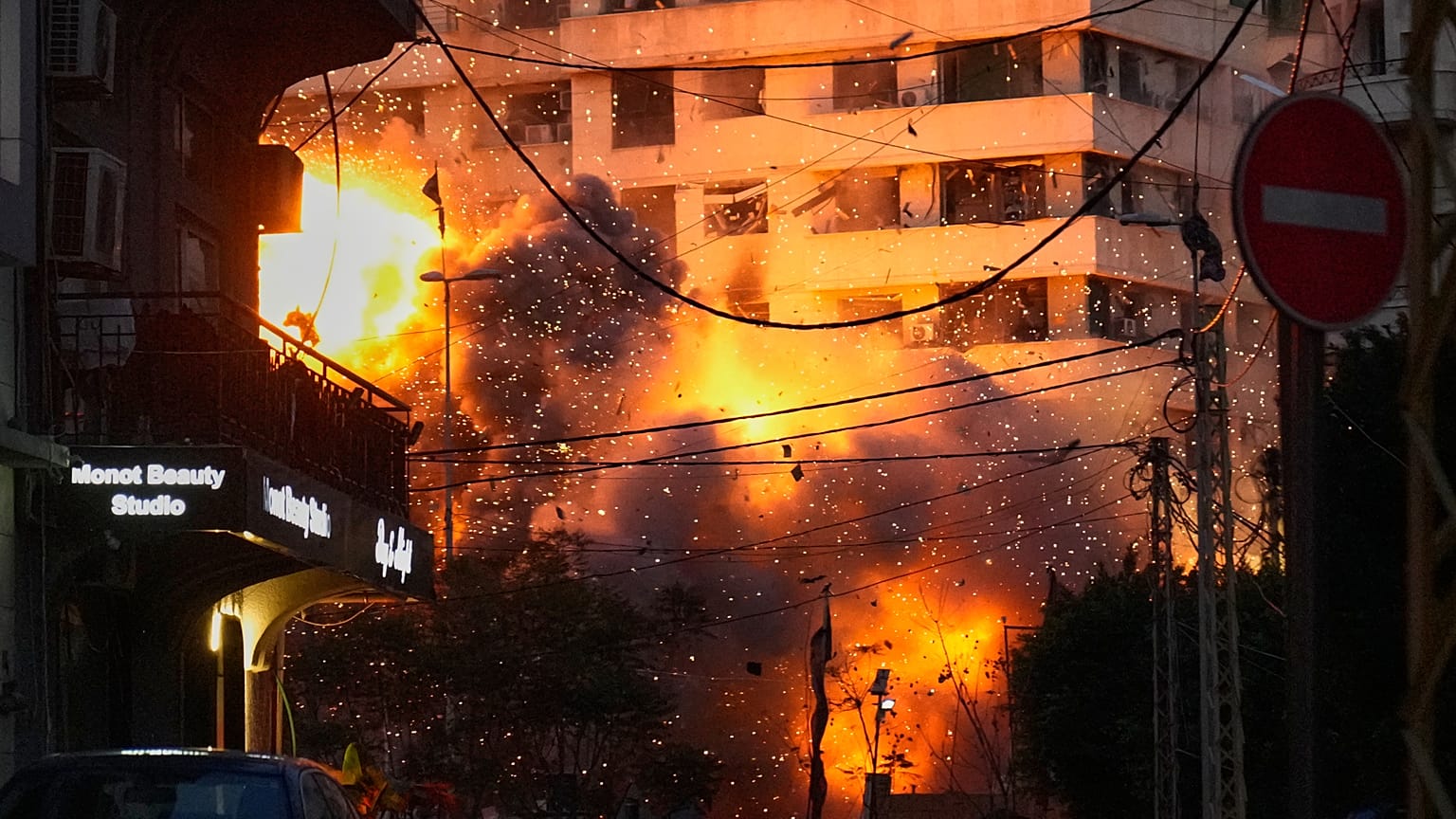













Brent crude oil traded briefly above $119 a barrel after Iran struck Qatar’s largest energy site, the Ras Laffan gas field. The attack was in response to Israeli strikes against the Iranian South Pars gas field.
The Iran war has seemingly escalated since late Wednesday, with major oil and gas facilities being targeted by both sides.
 ADVERTISEMENT
ADVERTISEMENT
ADVERTISEMENT
Iranian attacks on the Ras Laffan gas field, Qatar's largest energy site, have sent prices soaring, with crude oil costs briefly reaching the highs seen at the start of the conflict.
A drone hit a Saudi refinery on Thursday, which reportedly resumed crude oil loadings shortly after.
On Wednesday, Israel struck the South Pars gas field, the largest plant in Iran, and the Asaluyeh oil facility. Following the strikes, the Islamic Revolutionary Guard Corps of Iran (IRGC) warned that Gulf energy sites were once again "legitimate targets".
At the time of writing, Brent crude oil has edged down a little from $119, resuming levels closer to $114, while the US benchmark WTI is trading at $96 a barrel.
Moreover, on Thursday morning, European natural gas futures soared by more than 30% and traded as high as €74 per MWh, a price level not seen since the end of 2022.
This exchange of attacks has signalled to the markets that the conflict is likely to be prolonged and escalate further, with both sides ostensibly having no restraint in striking energy infrastructure across the region.
US President Donald Trump has warned that any further Iranian attacks on Qatar’s liquefied natural gas facilities will prompt the US military to destroy the South Pars gas field with "an amount of strength and power that Iran has never witnessed before."
President Trump’s intervention seeks to protect Qatar while reserving the option of overwhelming force. Whether it succeeds in deterring Iran or risks widening the war remains uncertain.
For now, the global economy is absorbing the cost of a rapidly intensifying conflict with no immediate end in sight.
Iran intensifies attacks on Gulf energy facilities
Despite President Trump's threats, Iran continues to attack its Gulf Arab neighbours' energy infrastructure on Thursday.
A Qatari liquefied natural gas facility was set on fire, and two Kuwaiti oil refineries were struck, signalling a major escalation in the conflict.
Qatar stated that firefighters put out a blaze at a major LNG facility after it was hit by Iranian missile attacks. Production had already been halted there after earlier attacks but it said the latest wave of missiles caused “sizeable fires and extensive further damage.”
Damage to the facility could delay Qatar in getting its supplies to the market even after the Iran war ends.
A drone attack on Kuwait's Mina Al-Ahmadi refinery sparked a fire but caused no injuries, the state-run KUNA news agency reported.
The refinery is one of the biggest in the Middle East, with a petroleum production capacity of 730,000 barrels per day. Shortly after, a drone attack set the nearby Mina Abdullah refinery on fire, authorities said.
A ship also burned off the coast of the UAE, and another was damaged near Qatar, underscoring the ever-present danger facing vessels due to Iran's stranglehold on the Strait of Hormuz.
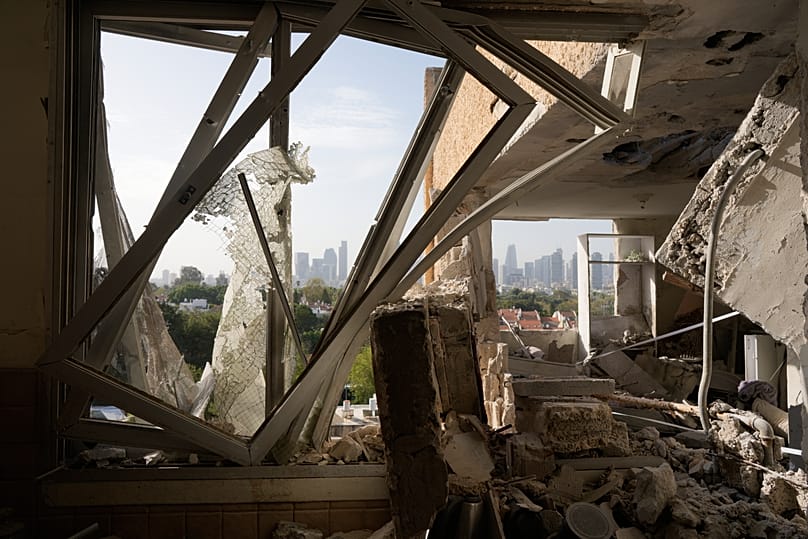
Gulf states condemned the Iranian attacks on energy infrastructure.
Authorities in Abu Dhabi said they were forced to shut down operations at their Habshan gas facility and Bab field, calling Iranian overnight attacks on the sites a “dangerous escalation.”
Missile alert sirens sounded in multiple other areas around the Gulf, and Israel warned of incoming Iranian fire.
Qatar, Saudi Arabia and the United Arab Emirates all denounced the Iranian attacks, with Saudi Arabia’s top diplomat saying assaults on the kingdom meant “what little trust there was before has completely been shattered.”