





























Potato-linked financial contracts have risen over 700% in a few weeks, despite a current oversupply in Europe, due to speculative trading surrounding the volatile environment caused by the Iran war.
Potato contracts for difference (CFDs), which track the benchmark market for the commodity, have seen prices soar roughly 705% in less than a month.
 ADVERTISEMENT
ADVERTISEMENT
ADVERTISEMENT
Since 21 April, the cost per hundred kilograms has risen from approximately €2.11 to a staggering €18.50.
However, this price is in fact still very low compared to where the potato market was in the last two years. This is due to the underlying physical market in Europe currently suffering from a major oversupply.
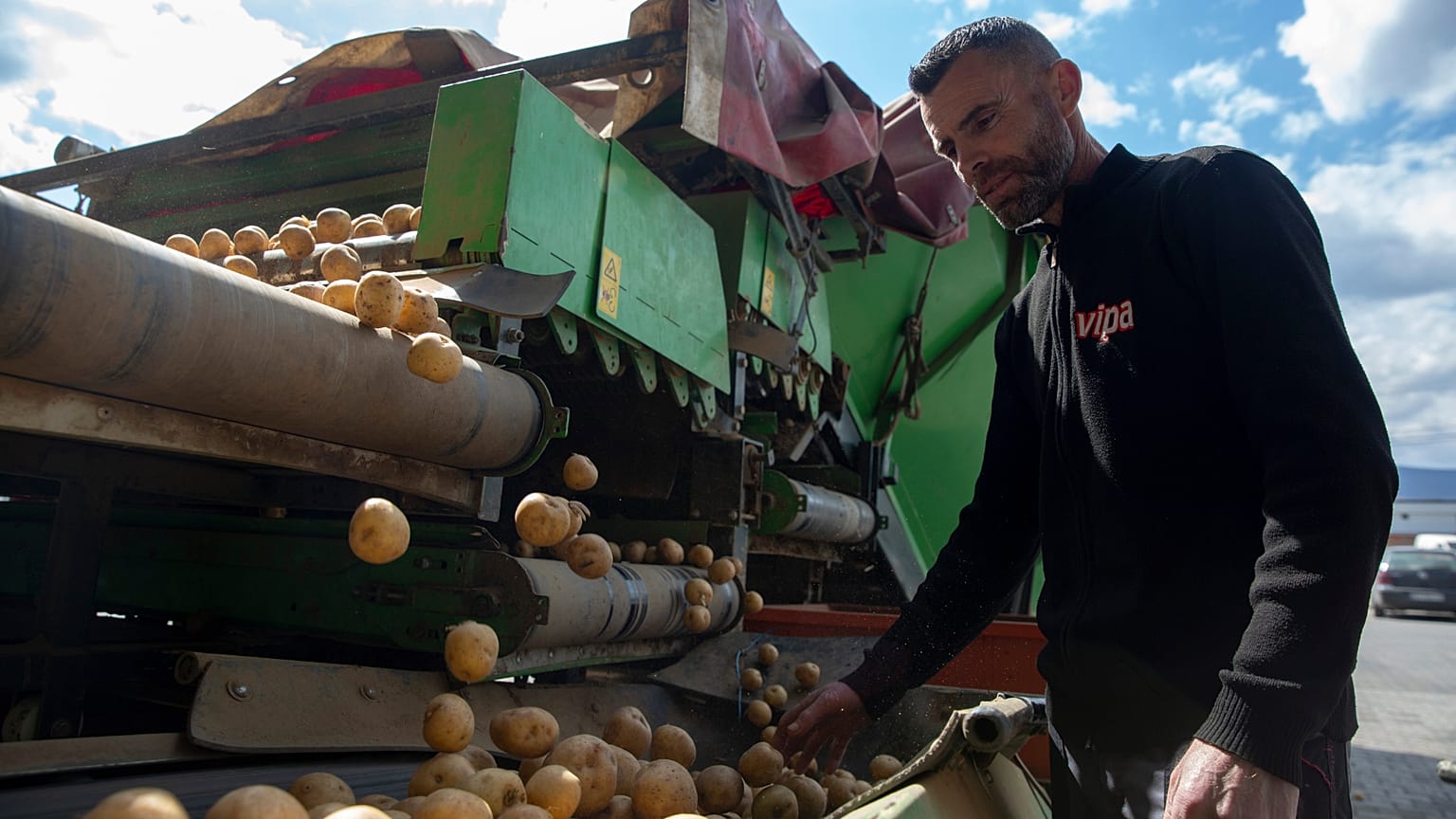
After shortages and strong prices in previous seasons, farmers in countries including Belgium, Netherlands, France and Germany expanded planting areas significantly.
Favorable weather conditions then produced exceptionally large harvests, creating a substantial surplus across the European market. As a result, processors and exporters have struggled to absorb the supply, pushing farmgate prices sharply downward.
Reportedly some lower-quality potatoes intended for animal feed or industrial use have traded at extremely low or even negative prices. In those cases, growers may effectively pay transport or disposal costs to move excess stock off their farms.
The cited €18.50 benchmark generally refers to “free-buy” potatoes sold on the open market rather than potatoes already covered by fixed-price contracts between growers and processors.
Although this price is above the negative values seen in secondary markets, many producers still consider it financially unsustainable because production costs, including fuel, fertiliser, storage and electricity, have risen substantially.
The contrast between weak physical prices and sharp movements in financial benchmarks reflects the difference between commodity trading markets and the real agricultural supply chain.
Financial markets can react strongly to volatility, expectations about future harvests, weather risks, export demand or potential supply corrections, even while current physical inventories remain excessive.
In other words, the large percentage increase seen in potato-linked financial instruments does not mean potatoes have suddenly become expensive in Europe, instead, it reflects volatility in a market attempting to price future conditions linked to the current instability.
Negative effects of the Iran war
The conflict in the Middle East has severely hindered the export of essential chemicals and minerals required for industrial farming, leading to widespread fears regarding global food security.
As potatoes are a nutrient-intensive crop, the sudden lack of affordable fertiliser has direct implications for future yields and current market valuations.
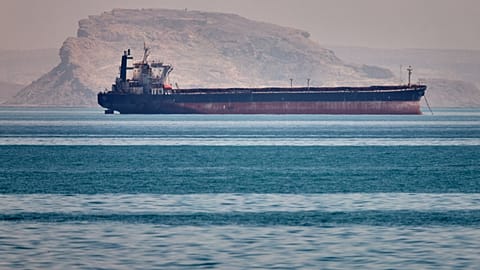
To make matters worse, the regional instability has made primary shipping lanes increasingly hazardous, complicating the logistics of agricultural trade.
According to the UN, roughly a third of the world's fertilisers such as urea, potash, ammonia and phosphates normally pass through the currently blocked Strait of Hormuz.
In response to these rising costs and uncertainty, traders are seemingly repricing futures contracts and no longer prioritising the current reality of oversupply.
While for European consumers, this does not presently translate to a massive increase in the cost of a basic dietary staple, the move in potato CFDs highlights an anxious market attempting to price the several and encompassing economic effects of the Iran war.