



























The Iran war is disrupting global energy flows and increasing the risk of wider regional escalation, leaving major economies such as China walking a tightrope.
China has taken a cautious approach to the Iran war, avoiding direct involvement while positioning itself as a neutral actor.
 ADVERTISEMENT
ADVERTISEMENT
ADVERTISEMENT
Beijing has kept its public messaging measured as tensions rise across the region.
“China has very little to lose by staying quiet and a lot to gain by being seen as a neutral party,” said Ben Cavender, managing director at China Market Research Group.
Energy ties shape China’s response
At the same time, energy security remains a key concern, as China depends heavily on oil imports from both Iran and Gulf countries and is one of the largest buyers of Iranian crude, much of it sold at a discount due to ongoing sanctions.
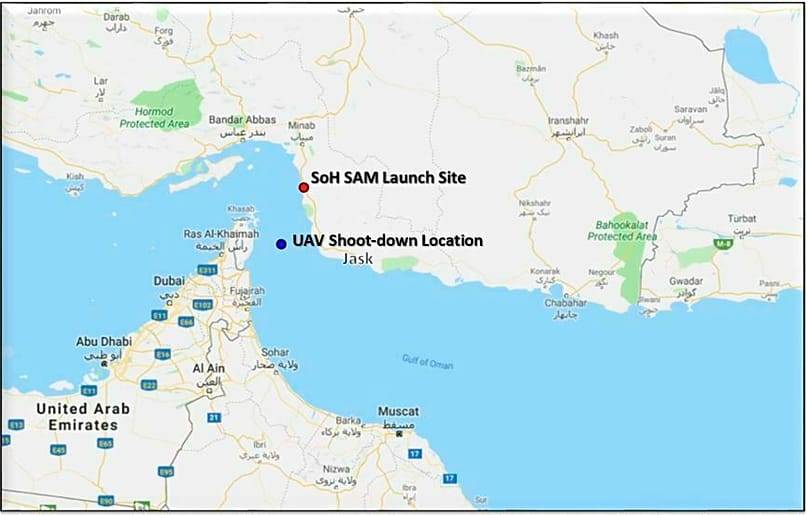
The conflict has raised concerns about potential disruptions to shipping through the Strait of Hormuz, a critical chokepoint for global oil flows.
“There are no easy substitutes,” said Tatiana Khanberg, founding director at Statem Consulting and an energy strategist.
However, China’s ability to shape events on the ground remains limited, particularly compared to the United States, which still plays a central security role in the Gulf.
Neutrality under pressure
Since the war began, Beijing has avoided taking a clear side focusing instead on protecting its economic interests and maintaining stable ties with all parties involved.
That neutrality has its limits, however, as China balances its ties with Iran against its growing economic relationships with Gulf states.
“China looks less immediately exposed than might meet the eye,” Khanberg continued.
She noted that the country has invested heavily in domestic production and has fallback options such as coal, meaning it will still be affected, but likely less than many others.
China’s current stance may also be working in its favour.
“Prioritising access to energy supplies is a key element of China’s response,” Cavender said, adding that this has so far allowed it to remain one of the least affected countries.
At the same time, Beijing may be gaining politically, with Cavender saying China is “quickly becoming seen as a more stable and rational nation compared to the US and countries may be more receptive to trade realignment towards China”.
Still, the broader outlook remains uncertain.
“It may come down to who is better able to ride through the storm,” Khanberg said. “China has scale on its side.”