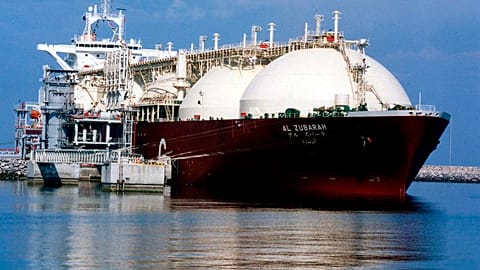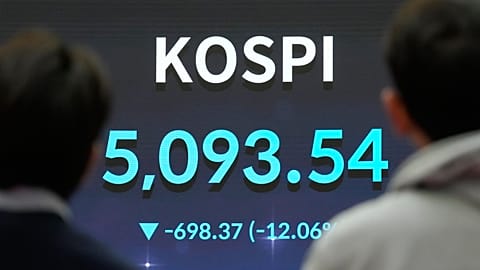

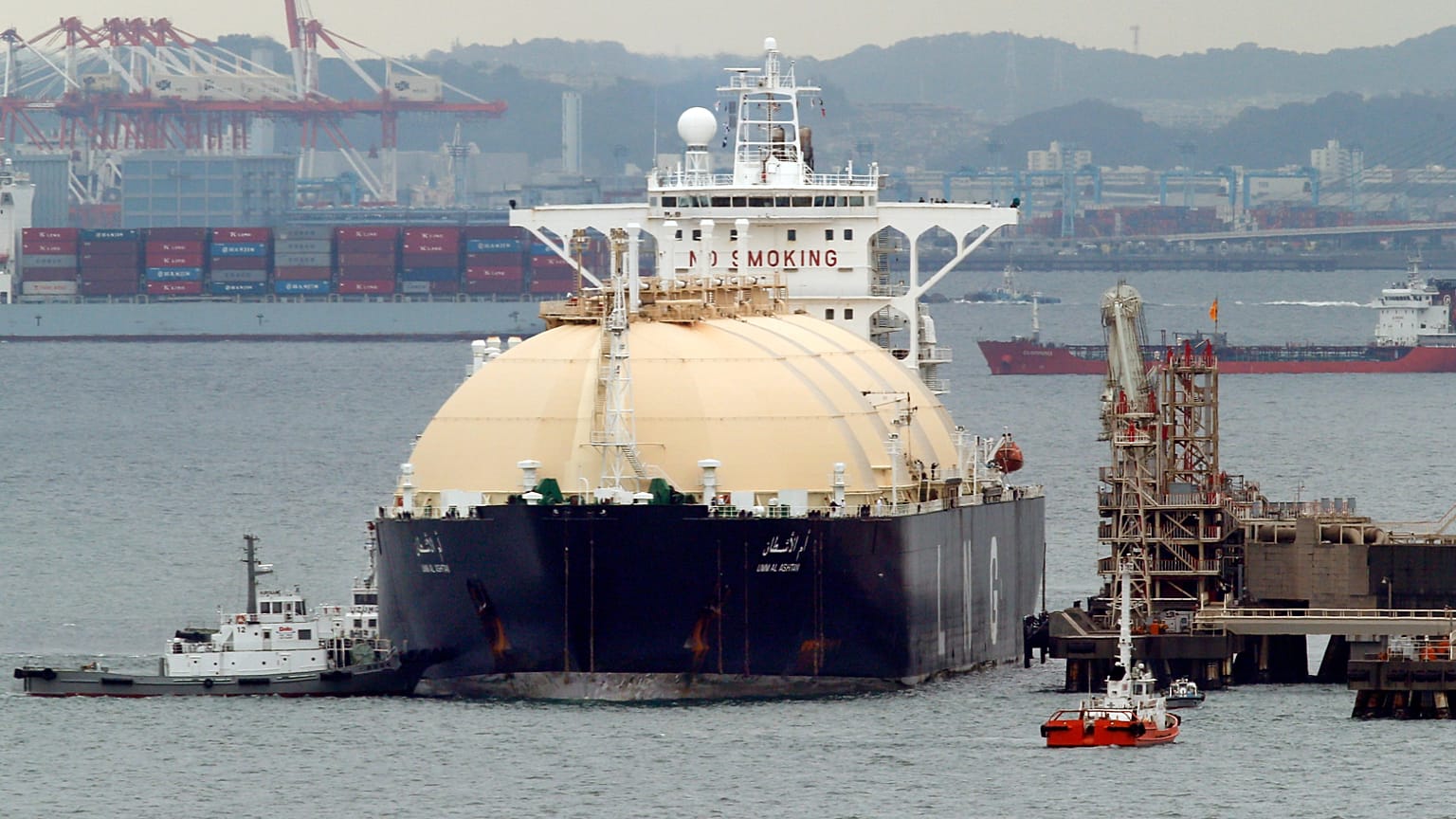













Middle East tensions and energy infrastructure disruptions are rattling global LNG markets, hitting Asia hardest.
Global energy trade is in turmoil as war around the Persian Gulf disrupts oil and natural gas shipments, pushing prices sharply higher.
 ADVERTISEMENT
ADVERTISEMENT
ADVERTISEMENT
Asia is likely to feel the greatest impact. The region relies heavily on imported fuel, much of it shipped through the Strait of Hormuz — the narrow waterway that carries about a fifth of global crude oil and liquefied natural gas (LNG) trade.
More than 80% of the LNG passing through the strait in 2024 was destined for Asian markets, according to the US Energy Information Administration.
But analysts say the disruption is not only about shipping routes. The structure of the global LNG market itself is amplifying the shock.
Yousef Alshammari, president of the London College of Energy Economics, says the crisis comes at a time when energy markets were already grappling with tight supply, volatile prices and shifting demand.
While much of the attention has focused on the Strait of Hormuz, he says gas markets are reacting more sharply than oil.
“What we can see is more like a 50% hike in gas prices,” he said.
Oil markets have been more resilient, helped by strong supply and strategic stockpiling.
“The US is now producing more than 13 million barrels per day, most recently exceeding 13.5 million barrels,” Alshammari said.
“China has been filling its stocks with more than 1.2 billion barrels, sufficient for over 90 days of consumption.”
Asian markets bear the brunt
The disruption is being felt most sharply in Asia, which sits at the centre of the global LNG trade.
“If you look where LNG from Qatar is exposed, almost 80% goes to Asia,” said Yousef Alshammari.
That dependence means any shock to Gulf supply quickly reverberates across Asian energy markets.
China and India under pressure
Asia’s two largest economies are particularly vulnerable to sustained energy price spikes.
China is the world’s biggest crude oil importer, while India ranks third. Higher energy prices could ripple through both economies, pushing up costs for transport, industry and households.
India has already temporarily resumed purchases of discounted Russian crude, highlighting the pressure countries face to secure alternative supplies.
East Asia’s LNG dependence
Few regions depend more heavily on imported energy than East Asia.
Japan imported about 2.34 million barrels of crude oil per day in January — roughly 95% of its total imports that month, according to its Ministry of Economy, Trade and Industry. It is also among the world’s largest LNG importers.
South Korea relies almost entirely on imported energy. Data from the Korea International Trade Association shows around 70% of its crude oil and about 20% of its LNG come from the Middle East.
Taiwan, which imports nearly all of its LNG, has been trying to diversify supply. However, roughly one-third of its LNG has traditionally come from Qatar, which halted production after attacks on its facilities.
Southeast Asia exposed to volatile LNG prices
Several economies in Southeast Asia are also vulnerable to swings in LNG prices.
Thailand, for example, relies heavily on spot-market LNG purchases rather than long-term supply contracts.
That leaves it “highly exposed to price and geopolitical volatility”, according to Amy Kong of the Brussels-based research group Zero Carbon Analytics.
Countries dependent on spot purchases can be forced into bidding wars for LNG cargoes when supply tightens, often competing with wealthier nations.
Wider economic risks
Rising gas prices and geopolitical tension could carry wider economic consequences.
“Volatility benefits no one except traders,” Alshammari said.
“Excessively high energy prices can drive inflation, potentially lead to stagflation and increase the risk of recession.”
Sharp price swings can weaken demand and deepen economic uncertainty.
“That ultimately hurts energy demand, amplifying volatility — where very high prices can trigger recession and very low prices destabilise markets,” he added.
Alshammari drew parallels with the 1973 oil crisis.
“If this situation drags on, we could be looking at a global recession,” he warned.