




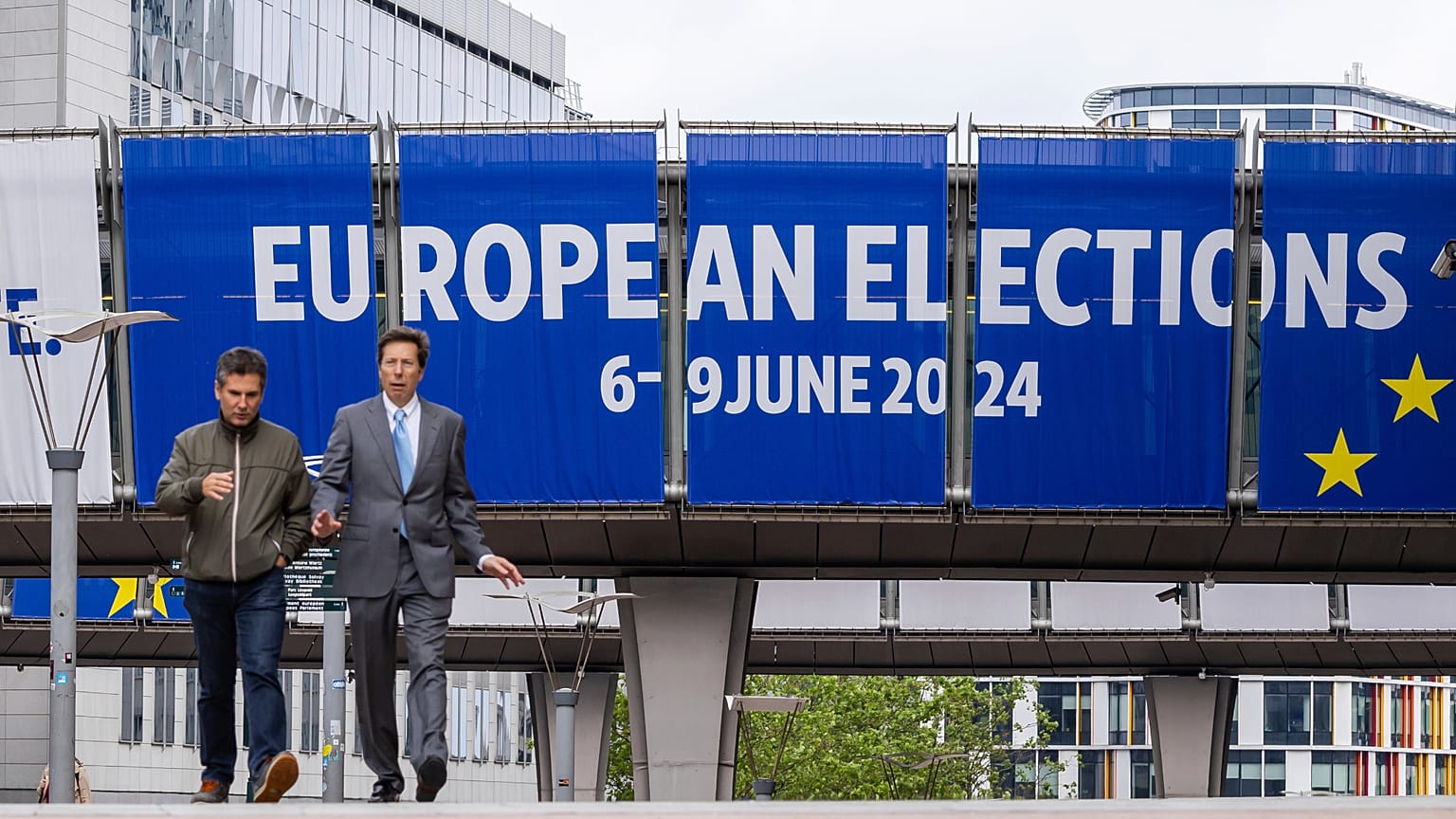













Europe's electoral systems reward politicians for pleasing party bosses, not persuading voters write Alberto Alemanno, Professor at HEC Paris, and political analyst Samuel Dempsey in an opinion piece for Euronews. Until that changes, those best at winning public support will be the EU's opponents.
When Steve Witkoff flew to Russia this month to offer Vladimir Putin a summit with Donald Trump and Volodymyr Zelenskiy, Europe faced an urgent task: find someone who can speak for Europe in the potential negotiations.
 ADVERTISEMENT
The names that have risen to the top so far, Czech President Petr Pavel and Finland’s Alexander Stubb, both draw their mandates from direct national elections.
Europe’s leaders mostly rise by persuading party insiders
The search for Europe’s leader, and the recognition that an EU representative would hurt Europe’s position, exposes a deeper problem. In the United States, for better and for worse, politicians rise by persuading the public. Europe’s mainstream leaders mostly rise by persuading party insiders. The result is a public leadership gap: a continent run by capable managers who struggle to communicate an inspiring message at home or abroad.
Meanwhile, the political stage is increasingly occupied by insurgents who have learned to do precisely that.
Europe’s first challenge lies at home. Even Giorgia Meloni, a right-wing and sometimes illiberal prime minister, could not get her own coalition to let voters choose their MPs. Italy’s new electoral law, passed on October 8 after she threatened to resign, lets voters pick some names, but the top of every list stays locked.
While most of the European Union’s 27 member states formally allow voters to express preferences for individual candidates, voters can only reorder candidates the party already picked, and in many systems preference votes rarely change the outcome.
In Belgium, for example, just 3.4% of Flemish national MPs elected between 1987 and 2014 won their seats by overturning their party’s list order. In the Netherlands, only one candidate in the 2023 election won a seat through preference votes alone. In Poland, where voters must pick an individual candidate, nearly 82% of seats in the 2015 election went to those the parties had placed at the top of their lists.
Party loyalty becomes stronger route to office than public appeal
The pattern extends to European Parliament elections, where six member states, including Germany, France, and Spain, use closed lists. Loyalty to the party hierarchy becomes a more reliable route to office than public appeal.
Insurgents play by different rules. A mainstream party can count on a loyal base to carry its top candidates into parliament. An insurgent party has no such guarantee: its list is worthless until someone persuades enough voters to clear the threshold. So these parties build their campaigns around one or two faces.
In 2024, the AfD named a chancellor candidate, Alice Weidel, for the first time in its history; the National Rally ran its European campaign around Jordan Bardella, by far the most-followed MEP on TikTok.
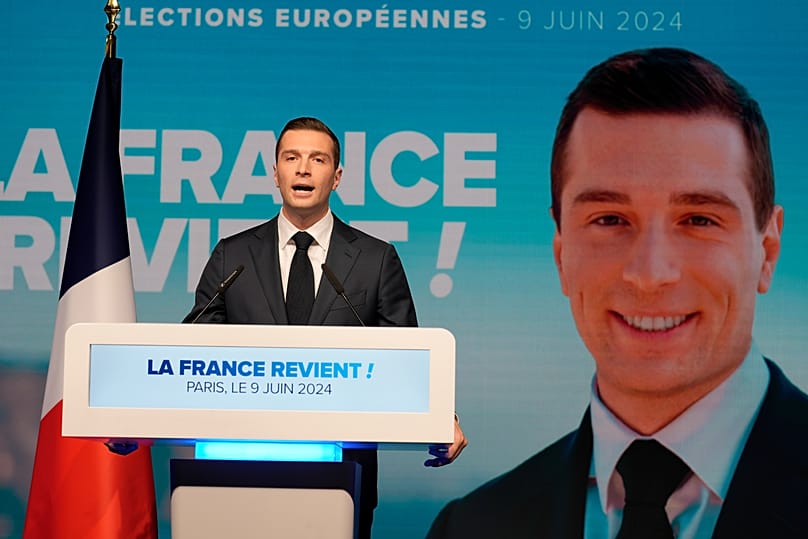
In last year’s Dutch election, almost 95% of Geert Wilders’ voters cast their vote for Wilders himself, compared with 68% for the D66 leader and less than half for the leaders of the Liberals and the Labour-Green alliance. One study covering ten West European democracies found that how voters rate the leader matters more to far-right voters than to anyone else.
Two exceptions: Emmanuel Macron and Pedro Sánchez
Consider two exceptions. Emmanuel Macron bypassed France’s established party system, built his own movement, and secured the presidency by appealing directly to voters. In Spain, Pedro Sánchez was ousted by his Socialist Party’s leadership in 2016, only to tour the country, mobilise ordinary members, and reclaim the party leadership in a 2017 primary.
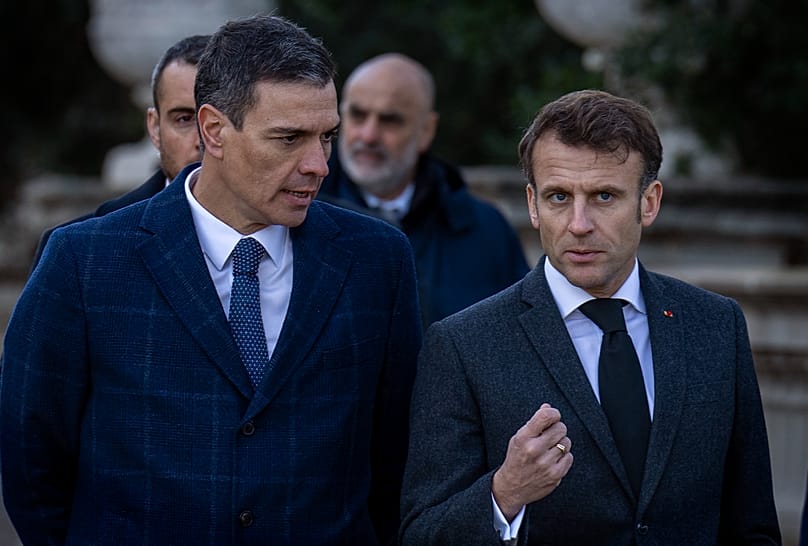
Sánchez now faces a snap election on November 29, with polls suggesting that the conservative Popular Party and far-right Vox could secure a majority. With Macron at the end of his term, if Sánchez loses, Europe will have lost both of the few mainstream leaders who rose by persuading people, not party bosses.
Europe’s second obstacle lies in Brussels, where the distance between voters and leaders becomes even greater.
Even politicians who have secured a strong personal mandate at home cannot obtain an equivalent mandate at the European level. The EU’s most powerful executive positions are allocated through negotiations among national governments, with voters having little or no influence over the outcome.
Donald Tusk and Ursula von der Leyen were not directly elected
Donald Tusk became European Council president in 2014 through a decision by national leaders, not through a European electoral contest. Ursula von der Leyen is the clearest product of the road not voted for. She ran for the Bundestag in a Hannover constituency three times, in 2009, 2013, and 2017, and lost every time. Her party’s state list kept her in parliament anyway. She was a federal minister four years before she entered the Bundestag, and she became Commission president in 2019 without having stood as a candidate in that year’s European election.
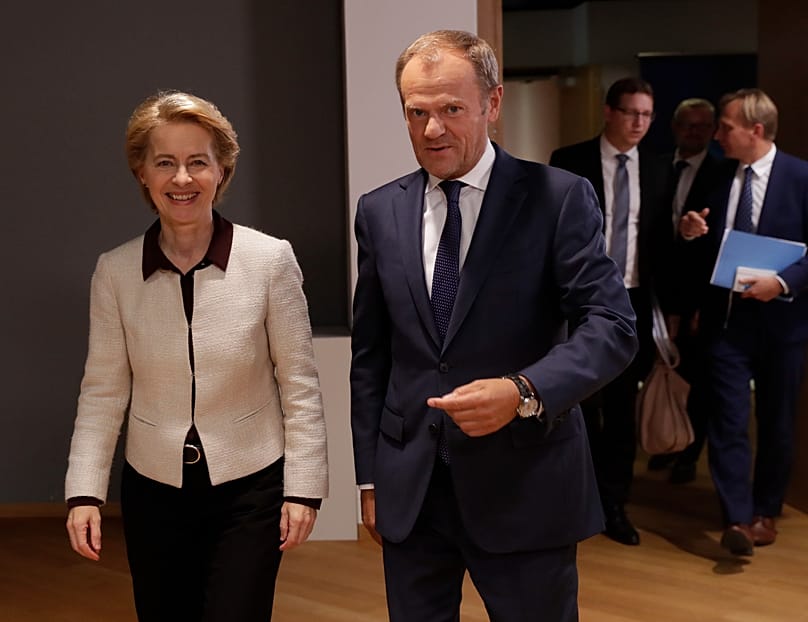
These appointments followed the EU’s rules. That is the point: the system treats popular legitimacy as optional, and national governments resist changing it.
The introduction of transnational electoral lists stalled
In 2022, the European Parliament backed the introduction of transnational electoral lists, which would allow citizens to vote for candidates competing across national borders. Yet the proposal remains stalled among national governments. A binding Spitzenkandidaten, or lead-candidate, process - linking the Commission presidency to the outcome of European elections – has encountered similar resistance.
Both reforms would push politicians to address Europeans as one electorate – and weaken national parties’ grip on Europe’s top jobs.
That control helps explain why the EU struggles to speak with authority while others decide its future.
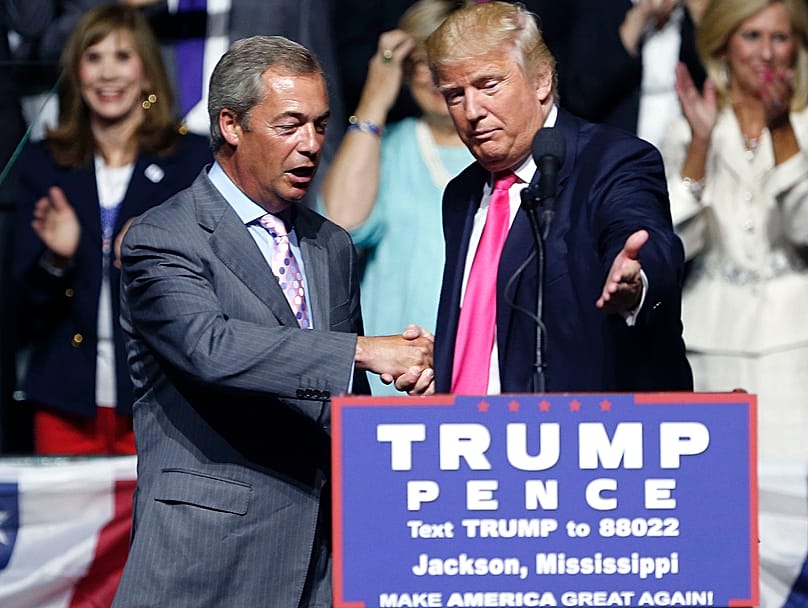
Donald Trump, a product of a system that rewards celebrity and mass public appeal, openly supports Europe’s euroskeptic forces, uses economic pressure against European allies, and casts doubt on NATO’s security guarantees. Washington leads negotiations with Moscow over Ukraine, while European governments struggle to make their collective weight count.
Summits and negotiated compromises are no substitute for leaders
Europe answers with summits and negotiated compromises. These are necessary, but no substitute for leaders who can win public consent across the continent.
In the first half of the twentieth century, Churchill, Clemenceau, Briand, and Stresemann were charismatic narrative builders – but so were Hitler and Mussolini. Post-war constitutions deliberately constrained personalised leadership, and they pacified the continent. Those safeguards remain essential. But just as Europe can no longer tear itself apart, so too it can no longer inspire itself.
Yet limiting personal power should not mean insulating political leadership from voters. The alternative to government by party insiders is not government by strongmen. It is a system in which leaders must compete openly for public support, exercise power under institutional constraints, and remain accountable to those who elected them.
Nationally, electoral lists should become genuinely competitive, allowing a realistic number of preference votes to overturn party rankings. Parties should also give members and supporters a meaningful say in selecting candidates, as Italy’s Democratic Party did in 2013 and the French progressive just did ahead of the 2027 presidential elections.
Transnational lists would encourage candidates to campaign beyond their home countries
At the European level, transnational lists would encourage candidates to campaign beyond their home countries, while a binding lead-candidate process would give voters a clearer say over who heads the Commission.
None of this guarantees charismatic leaders, better policies, or electoral success for mainstream parties. Nor should political charisma become a substitute for competence. But Europe’s current arrangements systematically reward one skill – securing the confidence of party insiders – while undervaluing another: earning the trust of voters. The result is politicians who struggle to compete with illiberal rivals, at home and abroad, who built their careers on public communication.
Until that changes, the leaders best able to mobilise Europeans will increasingly be those promising to overturn the very institutions that mainstream parties have worked so hard to preserve.
Alberto Alemanno is an academic, author and one of the leading voices on the democratisation of the EU. He is the Jean Monnet Professor at HEC Paris.
Samuel Dempsey is a correspondent and transatlantic policy analyst in Brussels. He has worked in the US Congress and the Department of State.