












Green technology is allowing more Europeans to take control of their energy bills and help the continent’s outdated grid.
European gas prices have hit highs last seen during the peak of the 2022 energy crisis, as the war on Iran continues to expose the volatility of fossil fuels.
 ADVERTISEMENT
It means energy prices are likely to remain high well into next year, as Europe scrambles to top-up its dwindling gas reserves ahead of the cold winter months.
Back in June, the European Commission urged households to use less energy at peak times to reduce bills and take pressure off the continent’s already-strained grid. It comes as the artificial intelligence (AI) boom sees power-hungry data centres pop up across the continent.
It may feel like there is little the average European can do to shield themselves against the current turbulence. However, one expert says every single household has the potential to play an active role in balancing Europe’s energy supply and demand.
How Europeans can be ‘better grid citizens’
“Consumers are becoming increasingly important participants in the energy ecosystem,” Niklas Persson, CEO of grid integration at Hitachi Energy tells Euronews Earth.
“A ‘better grid citizen’ is not simply someone who uses less electricity. It is someone who uses electricity more intelligently.”
Smart EV charging, flexible heating systems, and rooftop and plug-in solar can all help reduce strain on the grid during peak periods, lowering energy bills at the same time. However, accessing these technologies often requires thousands of euros upfront – pricing out millions of Europeans.
But many households can still participate in demand-response programmes through the use of technologies like smart meters – allowing them to access cheaper electricity at certain times of the day.
Uptake of these devices vary across Europe, with high rates in countries like Denmark and Sweden. In Germany, where the devices have been enmeshed in a huge culture war, only 5.9 per cent of electricity connections have a smart meter, an increase of just 1.5 per cent in the past six months.
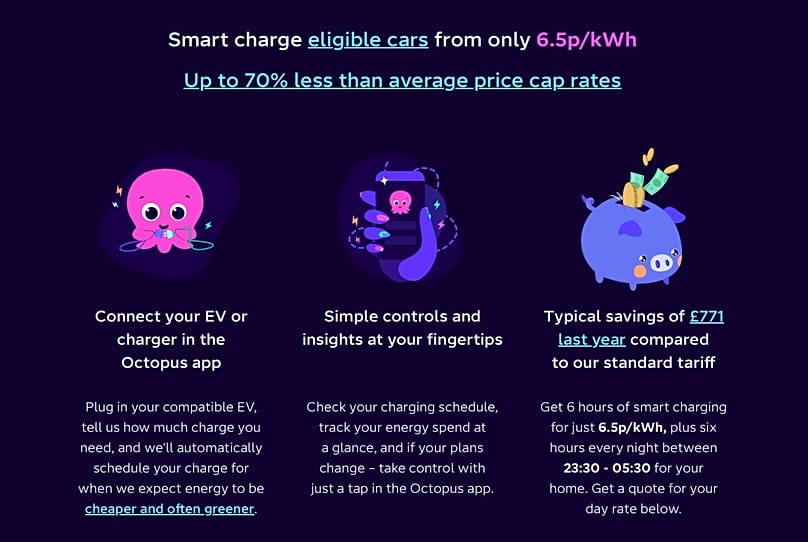
Households with solar power and battery storage can also sell renewable energy back to the grid when it is most needed, typically in the evenings when people come back from work or school, further lowering their bills.
In the future, Persson hopes that millions of Europeans will play an active role in balancing supply and demand, helping to integrate more renewable energy while potentially lowering their own energy costs.
This could not only help tighten the purse strings for cash-strapped Europeans but also prevent clean energy from being wasted.
According to energy think tank Ember, smart charging EVs alone would have the potential to absorb around three per cent of peak hourly wind and (utility) solar generation in Spain.
“This would be significant to the system considering that in May 2026, an estimated 10 per cent of monthly power generated by Spanish wind and solar farms was curtailed,” Ember states.
Europe’s outdated grid stalls progress
“However, individuals can only play that role if the right infrastructure is in place,” Persson points out.
“Governments, utilities and technology providers must work together to create simple incentives and user-friendly solutions that make flexibility easy and rewarding.”
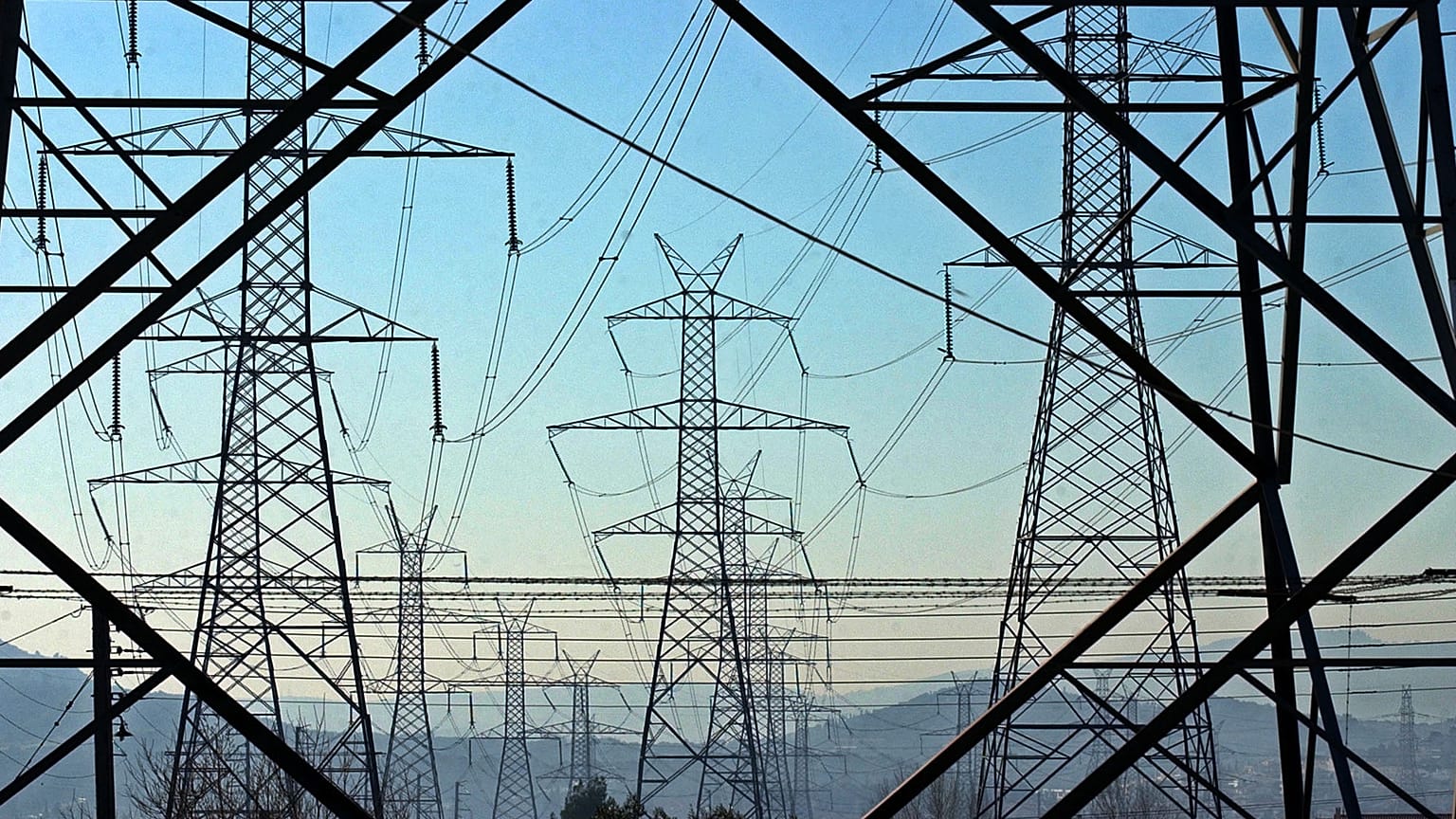
Europe’s outdated energy grid – which was originally built around coal, and later gas – is crying out for greater investment. According to an Ember report from April this year, bottlenecks triggered by the grid are putting more than 120 GW of anticipated renewables at risk.
For context, a power plant with a capacity of 1 GW could power approximately 876,000 households for one year, if they consume the average of 10,000 kWh of electricity per year.
Persson argues that the transition towards a more sustainable, affordable and secure energy system therefore can’t be achieved by utilities alone. It will be a “partnership” between grid operators, technology providers, businesses and consumers.
“The good news is that the technology already exists and the relevant solutions are being deployed to address these challenges,” he says.
“We need to upgrade existing transmission corridors, accelerate permitting for new grid projects, more widely deploy advanced power electronics and digital technologies, and strengthen connections between countries to allow power to flow where it is needed most.”
Inside Europe’s race to electrification
As economies become more electrified, the importance of the grid grows stronger.
Türkiye, who will co-host the upcoming UN climate summit COP31 in November, has made electrification one of its main priorities – aiming to raise the global share of energy demand from electricity to 35 per cent, up from around 20 per cent, by 2035.
Experts argue that the pledge could allow governments to count expanded gas-fired generation as progress towards electrification targets – a move they say will “seriously undermine climate goals”.
Persson says that electrification is one of the most effective tools to decarbonise the global economy, but “not all electrification delivers the same climate benefit”.
“To maximise emissions reductions, increased electricity demand must be matched with increased deployment of clean generation and the grid infrastructure needed to connect it,” he adds.
“If governments want electrification to deliver its full environmental and economic value, they must accelerate investment in grid infrastructure with the same urgency as investment in power generation.”
Persson argues that the grid– should be treated as critical national infrastructure, deserving the same level of attention as highways, railways and airports.
“Without sufficient investment in transmission and distribution networks, it becomes much harder to integrate clean energy, attract industrial investment, or strengthen energy security,” he explains.
“The energy transition will ultimately be won or lost on infrastructure. Renewable generation is essential, but grids are what enable that energy to reach consumers; If electrification is the backbone of decarbonisation, then the grid is the backbone of electrification.”