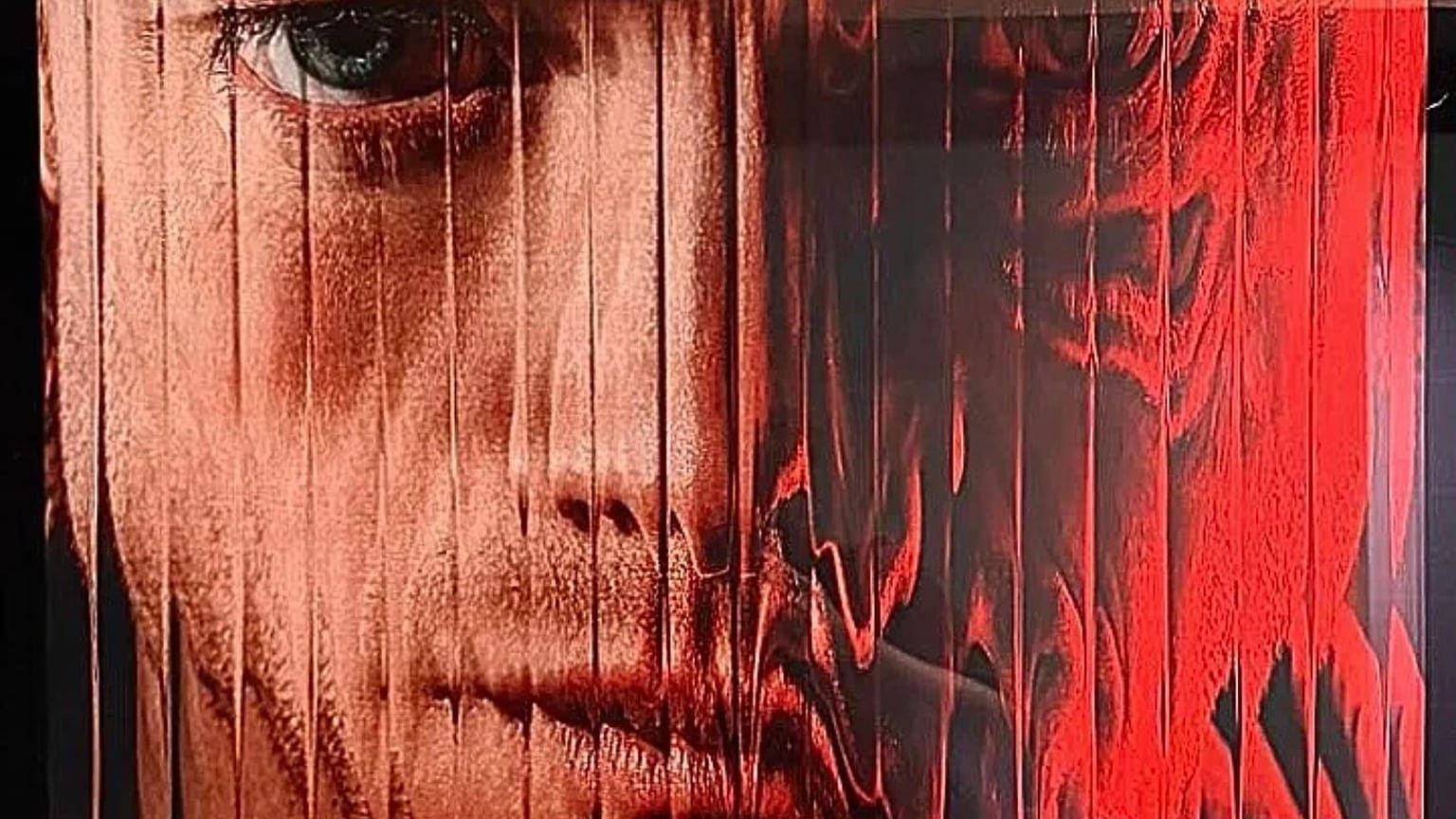


An admirably dark and wince-inducing detour for DC Studios, who get a lot right with 'Clayface' when it comes to horror. However, the script lets it down in the second half, leading to a bold but uneven result.
Not many movies have dared to fuse superheroes with horror.
 ADVERTISEMENT
Wes Craven dared with Swamp Thing. Sam Raimi followed suit with Darkman. And David Yarovesky also tried the merger with Brightburn, the 2019 horror twist on Superman, which was produced by none other than James Gunn, the current co-CEO of DC Studios.
For the third film in the first chapter of their DC Universe, titled "Chapter One: Gods And Monsters", Gunn and co-chief Peter Safran focus on the "monster" part. They bank on a lesser-known Batman villain and orchestrate an admirably dark, more modestly budgeted ($40 million) detour for the studio, following the more bombastic and wholesome adventures of Superman and Supergirl.
Clayface stars relatively unknown Welsh actor Tom Rhys Harries as Matt Hagen, a pretty-boy actor whose star is on the rise. From very modest beginnings to award nominations, the chiselled and blue-eyed hunk now has everything going for him.
One night, he celebrates by hooking up with a young woman he meets on the dance floor. Snag is she happens to be the girlfriend of a knife-happy Gotham City mobster, Markos Szabo (David Dencik), who retaliates by carving open Matt's face. Repeatedly.
Matt's penknifed mouth, slashed cheekbones and destroyed nose mean that his looks are now no longer screen-ready. Desperate to get his heartthrob life and acting prospects back, the disfigured thesp turns to Dr. Caitlyn Corr (the always wonderful Naomi Ackie), a scientist on the cutting edge of nanotechnology who injects him with her experimental serum of stem cells. Powered by artificial intelligence, the unapproved mixture can regenerate dead human tissue and Matt begs Caitlyn to become her first human guinea pig.
The initial results seem promising until some unforeseen, face-melty side effects rear their ugly head. This sends Matt into a violent, revenge-fuelled spiral that leads him to inject himself with all of the good doctor's nanocells...

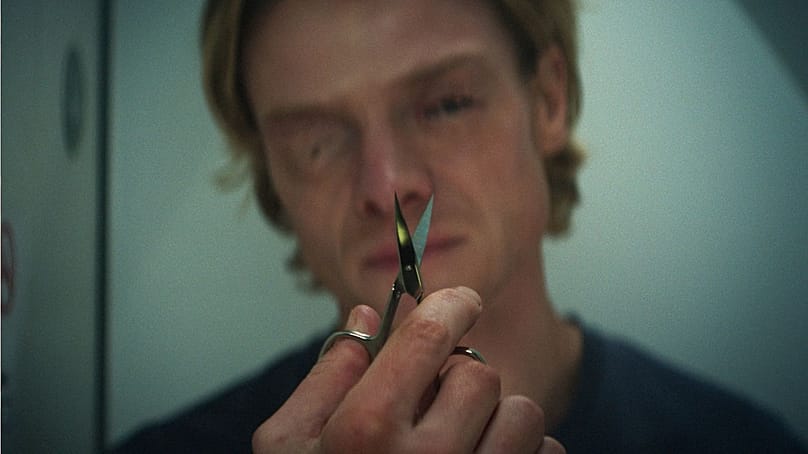
Clayface works as a bleak and surprisingly gory origin story, a refreshingly standalone adventure which embraces body-horror with both hands. There's the initial slash attack, with the camera not panning away from all the cutting and peeling; a lot of visceral reconstructive surgery nastiness; and a wince-inducing plane bathroom scene involving Matt trying to keep his fusing eyes open by introducing his peepers to a pair of nail scissors.
It's not for the squeamish, but as impressively gory as it is, where Clayface noticeably sags is the (somewhat aptly) skin-deep script, which doesn't live up to the splendid use of practical effects and prosthetics. It stalls in developing its characters, and fails to compellingly explore the narrative's thematic potential or the promise behind Matt's various transformations. From his scarred mug to a nascent ability to alter his face to resemble other people, there was plenty to mine here about the superficiality of beauty standards and the shallow nature of Hollywood. Moreover, when your lead actor sells both the unsettling and heartbreaking toll of his transformations, more could have been achieved regarding the psychological and metaphorical weight inherent to a tragic hero's path to becoming undone by a fatal flaw.
No one was expecting an in-depth character study, but some meaningful elaboration regarding the loss of identity was warranted.
Instead, director James Watkins (Eden Lake, Speak No Evil) settles for a more generic and predictable second half, in which it becomes tempting to speculate what could have been... You see, the project was originally brought to Gunn and Safran by Mike Flanagan (Midnight Mass, The Haunting of Hill House, Carrie). Due to scheduling conflicts, Flanagan never got to direct Clayface and his script was overhauled by Hossein Amini (Drive, Snow White and the Huntsman). In the film's droopier moments (clunky dialogue, a clumsy backstory regarding Matt's downtrodden origins, a shoehorned romantic subplot between Matt and Caitlyn), it makes you wish that Flanagan had been given the reins and delivered a tighter version of Clayface.
It's a damn shame, as the Brian Yuzna aspects and nods to both The Fly and Eyes Without A Face were very promising, and Harries shows he has the acting chops to carry a movie. However, like Milly Alcock in Supergirl, his efforts aren't rewarded by anything particularly new or radical.
Congrats to DC Studios for taking a chance and delivering something nastier and gorier than any other blockbuster offering. It's certainly different and a significantly – nay, massively - superior to previous rogue flicks like Morbius, Madame Web or Kraven The Hunter. But as gnarly and queasy as Clayface is, the story and its characters still needed to actually get under your skin to be truly memorable.
Clayface is out in cinemas now.
Read more