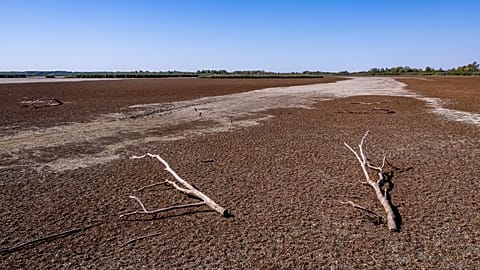
















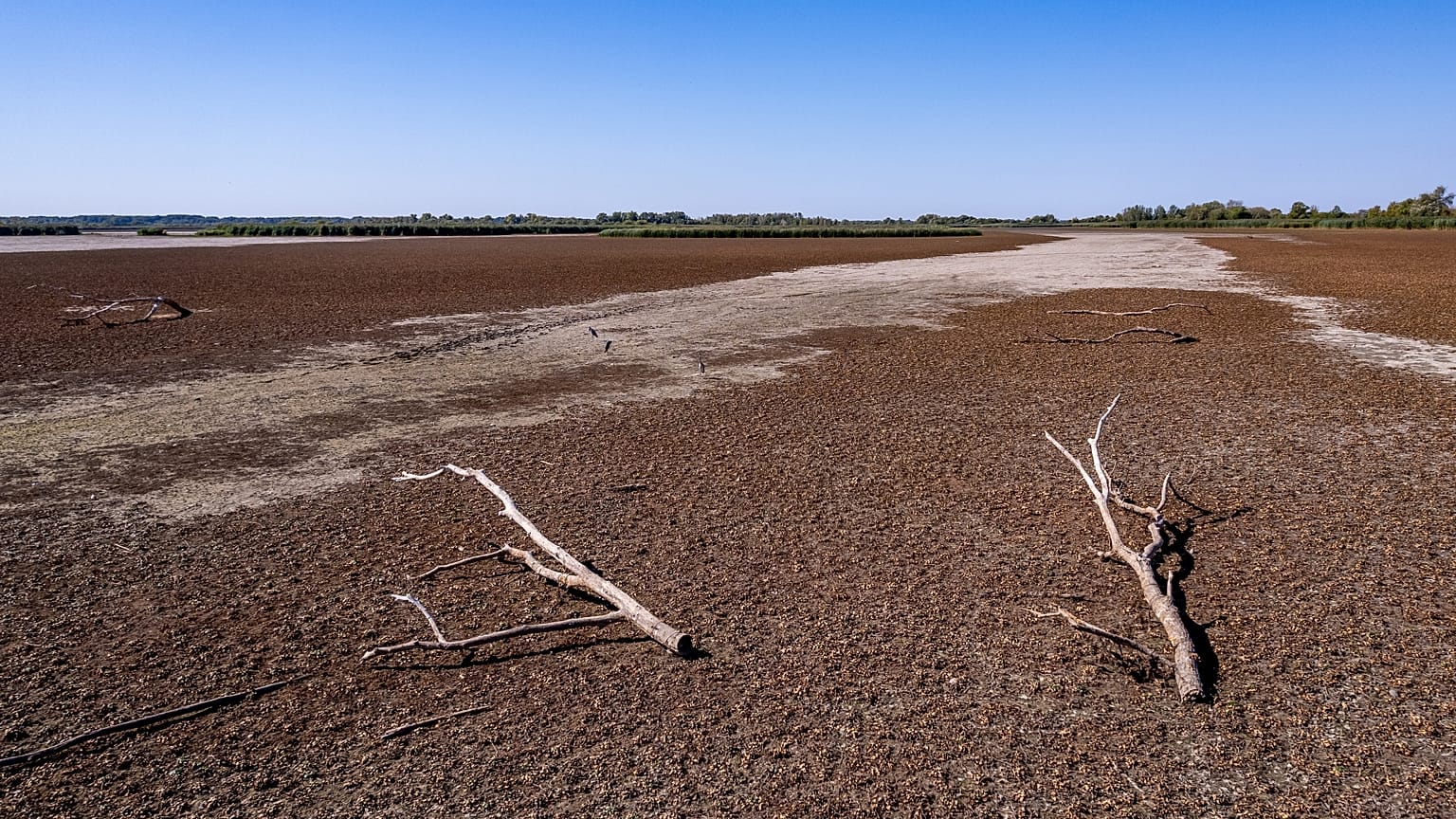













The central European nation has been facing a critical water shortage following a drought that began in the second half of 2025.
Hungary has experienced its most severe drought in 126 years in 2026, according to data from its national weather service, HungaroMet.
 ADVERTISEMENT
ADVERTISEMENT
ADVERTISEMENT
The Central European nation also recorded its driest summer since 1901 this year, as well as its second hottest.
Following a winter that saw lower rainfall than usual, Hungary was hit by a heatwave in June, followed by further hot spells in July and August. The unusually dry conditions also led to record low water levels on the Danube.
According to a HungaroMet analysis of the summer, average rainfall across the country amounted to just 74.1 millimetres, 36 per cent of the 1991 to 2020 mean.
The seasonal mean temperature was 23.43°C on average across the country, 2.59°C above the long-term norm of 20.84°C.
What's behind Hungary's drought?
HungaroMet said in its analysis that the 2026 drought was the result of prolonged weather patterns and disruptions to the water cycle.
Whilst January saw cold and wet weather, the following months were marked by a severe lack of rainfall and higher than normal temperatures. In April, for example, rainfall was just 10 per cent of the usual amount.
May saw some wetter periods, but the soil had still not recovered enough moisture by the end of spring, and the summer months then brought further spells of unusually dry weather.
By late June, almost the entire country was experiencing a soil moisture deficit of more than 100 millimetres in the top metre of soil. The lack of rainfall, combined with temperatures far above average, increased evaporation losses and caused soil moisture levels to fall sharply.
Between 1 April and 2 September, at least 30 per cent of Hungary's territory experienced moderate or more severe drought conditions for nearly 84 per cent of the period. By the end of August, agricultural drought had reached severe levels across half the country.
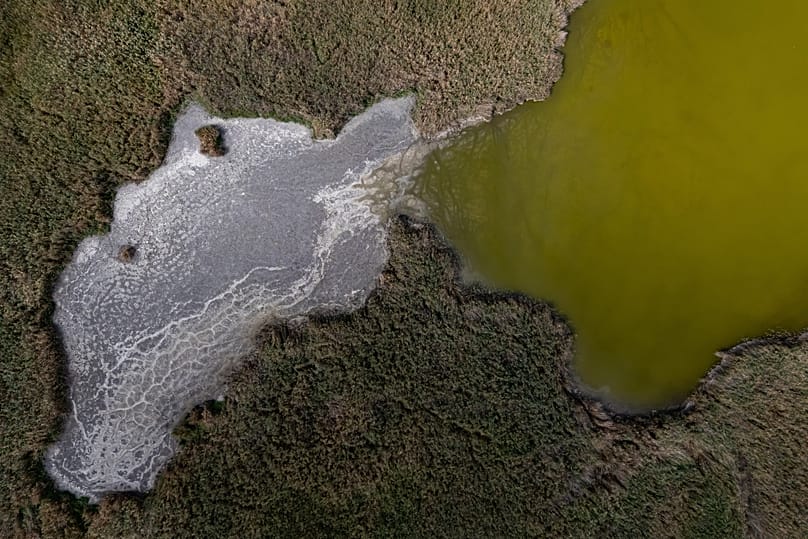
Groundwater shortages in Europe
A report by the World Meteorological Organization (WMO) said that water levels below the ground are continuing to fall, with Central and Eastern Europe among the regions most affected by groundwater shortages.
Soil moisture was already far below normal levels in 2025, and the situation deteriorated further in 2026.
In Hungary, an earlier estimate put the average groundwater level at 1.4 to 1.7 metres below what is considered ideal. Even if autumn brings wetter days, this alone will not be enough to solve the water shortage.
Experts have been warning for years that Hungary would only be able to tackle its water crisis by retaining water instead of allowing it to drain away quickly, whether it comes from rainfall or rivers.
However, achieving this would require changes in farming practices as well as major structural reforms and investment.