


























As the 91st Paris Motor Show approaches, European carmakers face fierce competition from China, waning consumer confidence and mounting geopolitical pressure.
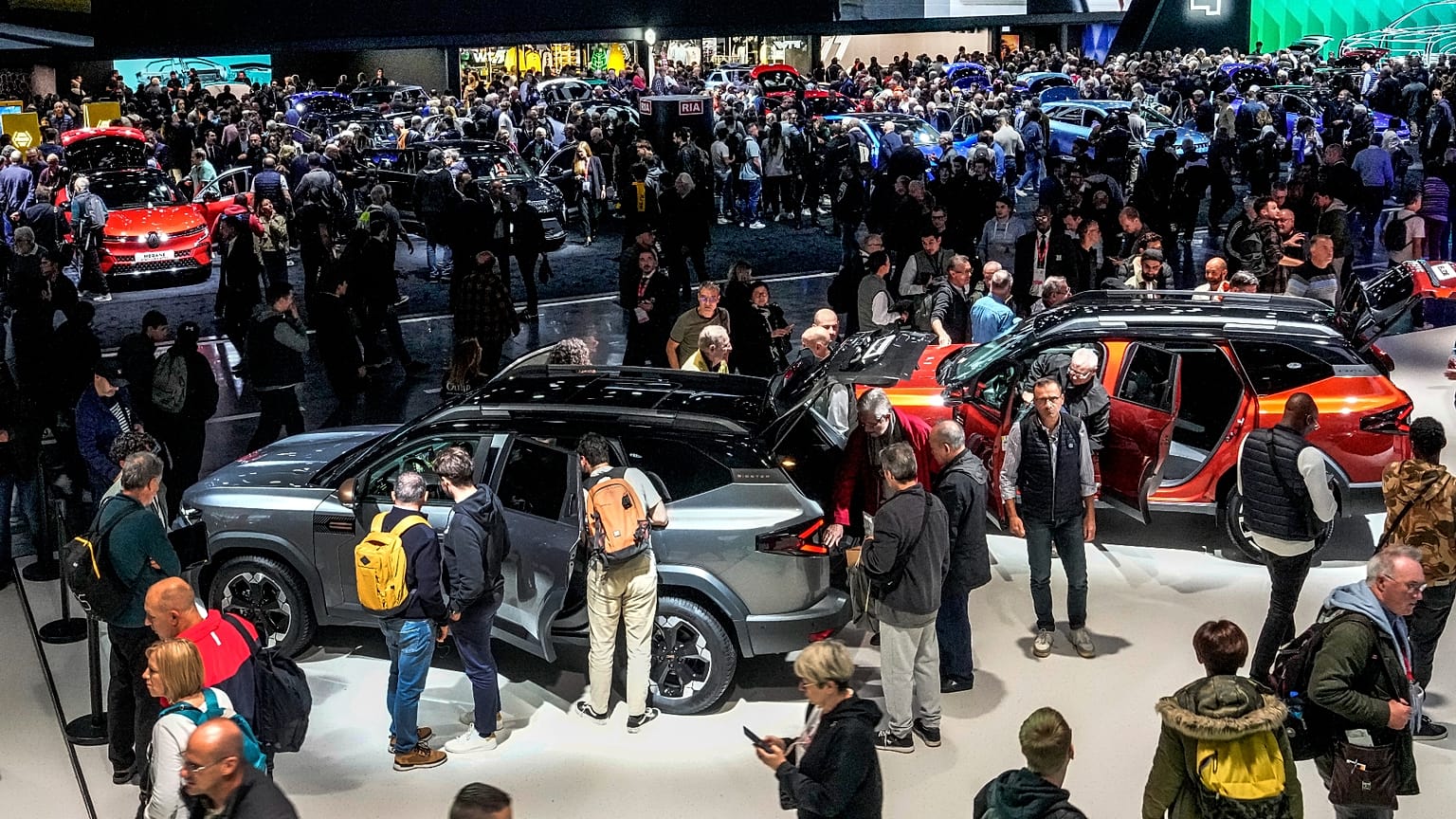
First held in 1898 in the Tuileries Gardens in Paris, the Paris Motor Show has, year after year, attracted crowds of visitors keen to discover the latest models, around a hundred of them for the 2026 edition, which runs from 12 to 18 October 2026.
 ADVERTISEMENT
ADVERTISEMENT
ADVERTISEMENT
"I really think people need to see the cars, touch them, sit in them, try them out", says Serge Gachot, CEO of the Paris Motor Show. This is especially true for electric models.
According to the European Automobile Manufacturers' Association (ACEA), fully electric cars accounted for 21.7% of all new vehicle registrations in the EU in the first eight months of 2026, compared with 15.8% over the same period the previous year. France was one of the key markets posting the strongest growth, with registrations of fully electric vehicles up 74.2% year on year.
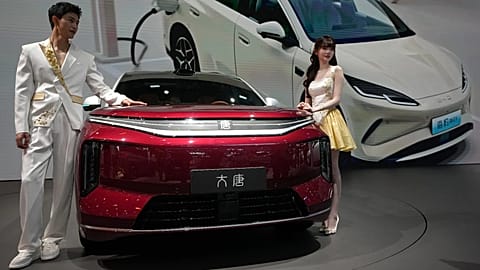
China's rapidly expanding car industry is particularly keen to showcase its vehicles to European buyers. Around twenty Chinese brands are expected in Paris.
"The outlook is extremely worrying for traditional European carmakers", says Tim Urquhart, principal automotive analyst at Mobility Global. "The progress made by China's car industry in recent years has been extraordinary, particularly over the past decade, but above all this advance has accelerated even further over the past five years."
Their arrival comes as European buyers are increasingly turning away from traditional petrol and diesel cars.
For European carmakers, a transition in a tough climate
According to ACEA, hybrid electric vehicles remained the most popular type of powertrain in the EU up to August, with a market share of 36.6%, while plug-in hybrids reached 10%. The combined share of petrol and diesel fell to 29%, from 37.5% a year earlier.
High petrol prices, government support and a much wider choice of cheaper electric cars have all contributed to this shift.
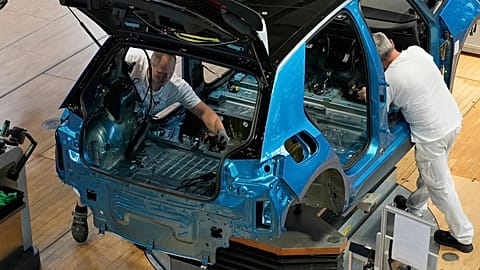
But carmakers are trying to manage this transition in an exceptionally challenging environment. High oil prices linked to the conflict involving Iran are weighing on the sector's margins. European manufacturers also have to contend with weak consumer confidence, tighter emissions rules and mounting pressures in China, once a major source of growth for German giants such as Volkswagen, BMW and Mercedes-Benz.
"There was a time when the Chinese market was something of a cash cow for European carmakers. That is no longer the case today", says Mr Urquhart.
At the same time, the European Union and China remain bogged down in a trade dispute over state aid, customs duties and the growing influx of Chinese vehicles into Europe.
"There are huge geopolitical tensions, oil prices are very high, the broader economic environment is under strain, and confidence is being affected in Europe", Mr Urquhart explains.
To respond, European manufacturers are opting to look both to the past and the future. Retro-inspired models are expected to be one of the standout themes of the Paris Motor Show, at Renault, Citroën, Peugeot, Opel, Lancia and Fiat.
The 91st Paris Motor Show opens with its press day at Paris Expo Porte de Versailles on 12 October, before welcoming the public from 13 to 18 October.