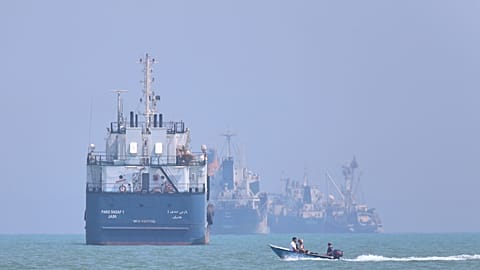
















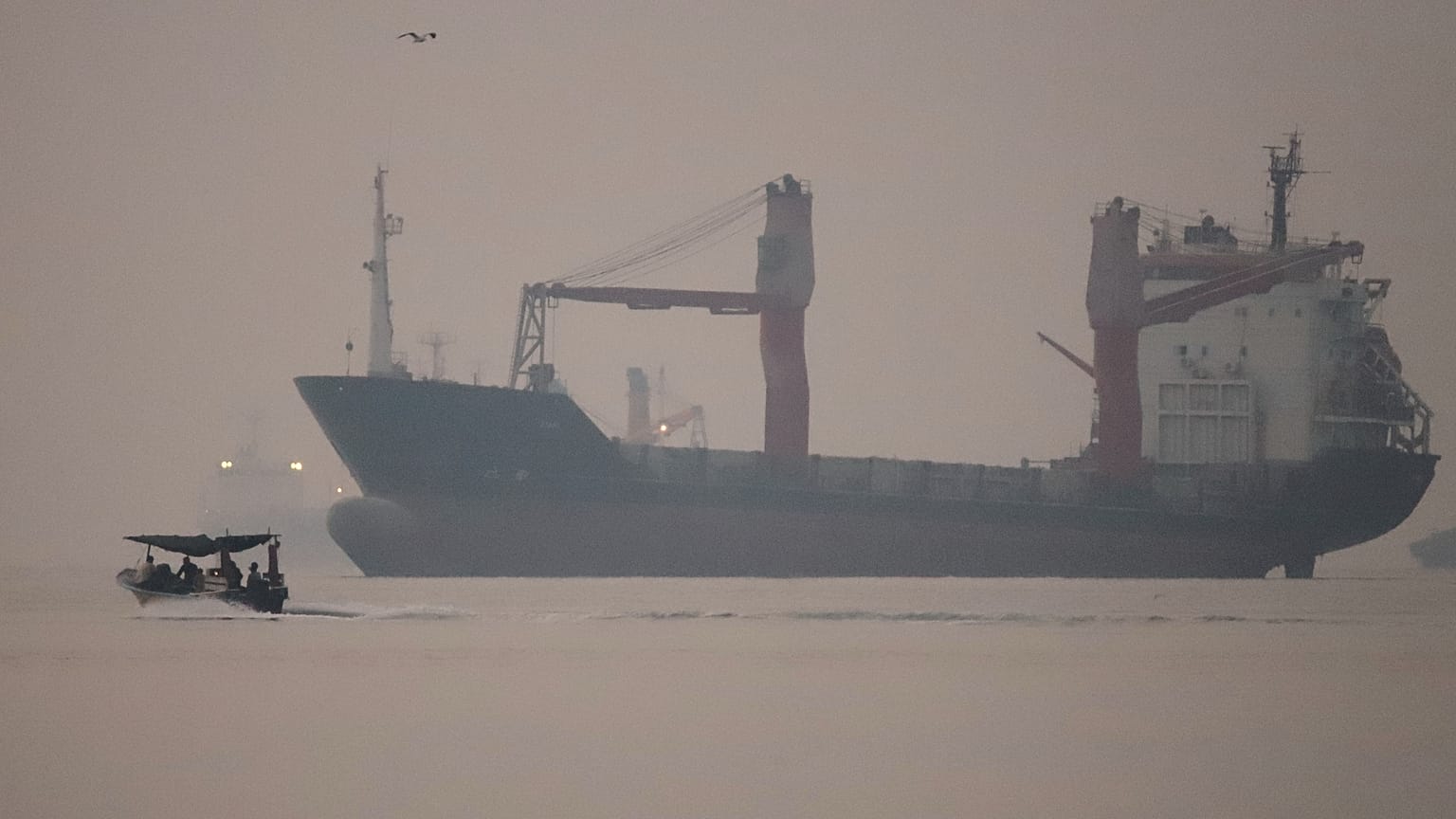













The Iran war has hit two mainstays of Gulf business: energy exports and aviation. The disruption extends to Europe, where buyers have had to replace missing gas supplies.
The World Bank expects the six Gulf Cooperation Council economies to shrink by an average of 4.3% this year, as the impact of the Iran war continues to hit the region’s trade and business.
 ADVERTISEMENT
ADVERTISEMENT
ADVERTISEMENT
Higher oil prices have not compensated for lower export volumes, which have cut output and government revenues, the bank said in its regional update published on Tuesday.
Middle Eastern crude exports exceeded pre-war levels on 14 days in September, Reuters reported on Wednesday, citing provisional Kpler data. Those shipments included oil sent through Hormuz and via alternative routes.
The World Bank’s forecast covers the full year and includes sectors beyond oil.
Some gas shipments are also getting through. Reuters reported on Monday that four vessels carrying Qatari liquefied natural gas (LNG) had reappeared outside Hormuz around 2–3 October.
Italian energy company Edison said on 28 September that QatarEnergy had extended its force majeure notification to early December, saying it could not deliver further scheduled cargoes.
The notice brought the total number of cargoes affected between April and early December to 35, equivalent to about 4.6 billion cubic metres of gas destined for Italy’s Adriatic LNG terminal.
Edison said it had bought replacement supplies and remained able to meet its commitments to customers.
Airlines face weaker demand
Passenger traffic on Middle Eastern airlines fell 14.6% in August from a year earlier, according to figures published by the International Air Transport Association on 30 September.
The measure accounts for both the number of paying passengers and the distance travelled. Available capacity fell 9.3%, leaving a larger share of seats empty as traffic declined faster.
But regional airlines are taking some passengers whose flights have been cancelled by European and other carriers.
Aviation consultant Omar Hashmi said Emirates, Qatar Airways and Etihad serve passengers connecting through their hubs as well as visitors to the Gulf.
Longer routes also add fuel costs, he said.
“When airspace is closed, and routes become longer, there is also the headache that flight timings change,” he told Euronews.
Qatar warned at a briefing in Doha on Tuesday that the “whole world is paying” for the conflict, as diplomatic efforts to advance talks between Washington and Tehran continued.
The World Bank warned that damaged infrastructure and postponed investment could continue to hold back growth after the immediate disruption has passed.