















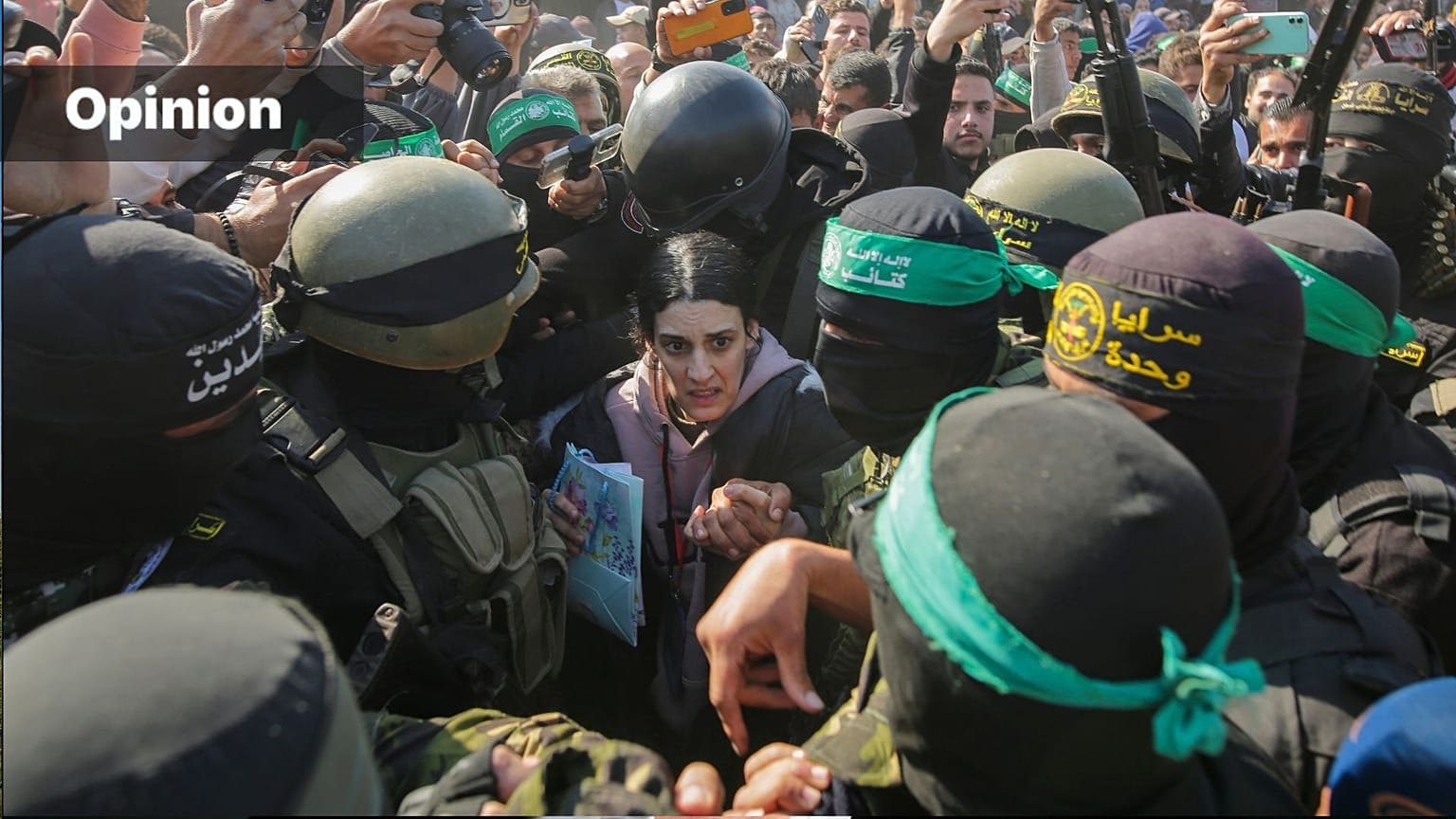













On the anniversary of the Hamas terrorist attack on Israel on 7 October 2023, in which 1,200 people were murdered and 250 were abducted, Sacha Roytman Dratwa, of the ‘Combat Antisemitism Movement’, recalls in an opinion piece for Euronews what had already begun in many countries on 8 October 2023.
My grandfather had survived the Holocaust. On October 7, 2023, I was with him in Belgium when the images from Israel began to arrive.
 ADVERTISEMENT
ADVERTISEMENT
ADVERTISEMENT
For our family, genocide was not an abstract word. It was part of the history that had shaped his life and made my own possible. Now, alongside him, I was watching the first images of another massacre of Jews.
I felt horror, fear and helplessness. Nevertheless, there was something particularly painful about experiencing that moment with my grandfather. After everything he had survived, he had lived long enough to witness this.
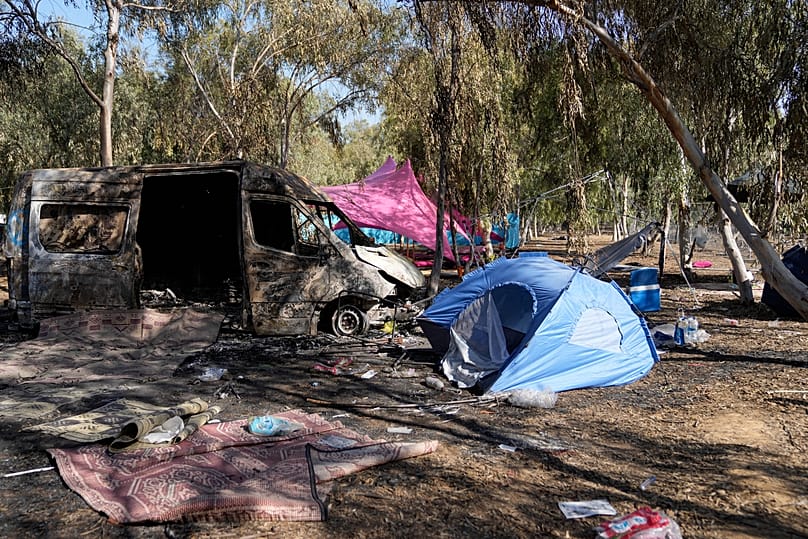
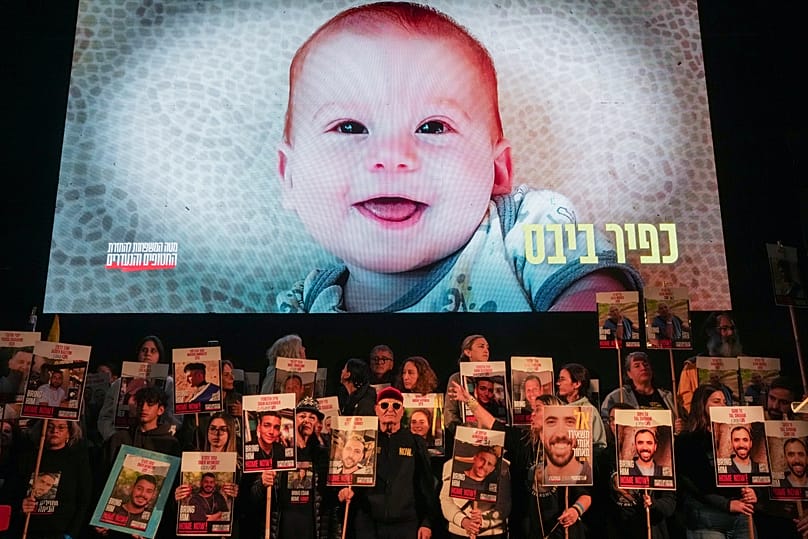
The attack by Hamas and other armed terrorist groups would leave approximately 1,200 people dead and 251 abducted. But as the first images appeared, we did not yet know the full scale of what was happening. We were trying to comprehend what we could see.
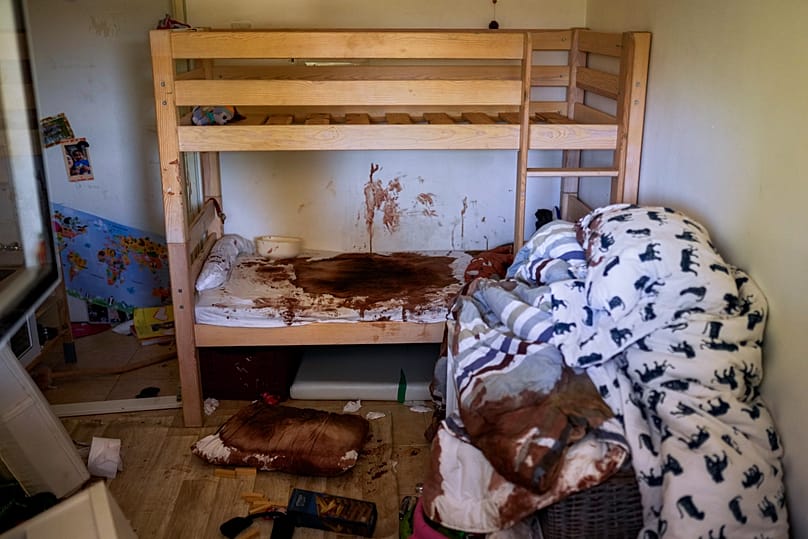
When I remember October 7, I do not begin with a political argument. I begin with that moment in Belgium, with my grandfather, and the terrible distance between wanting to protect the people we were watching and being unable to reach them.
On October 8 anti-israel demonstrations startet
Then came October 8.
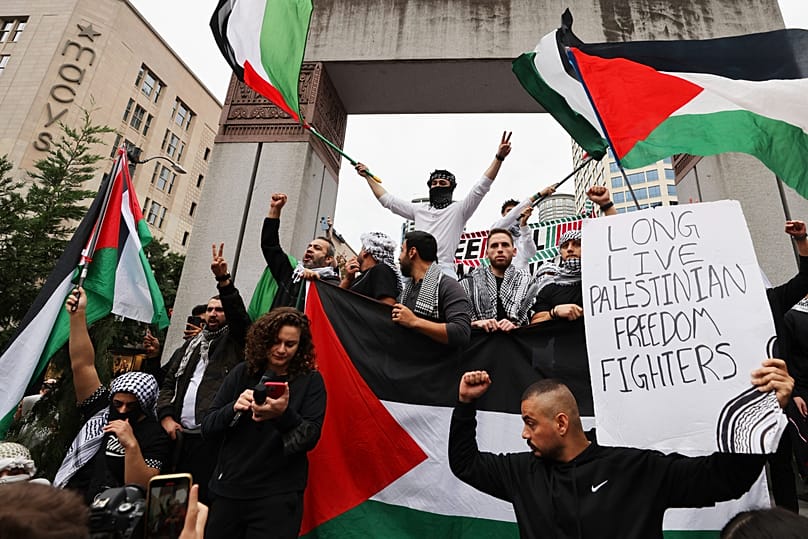
I began seeing images of demonstrations, hearing “Glory to the Martyrs”, “Free Palestine” and “From the River to the Sea” and seeing accusations of genocide. What struck me was the speed and repetition. I had scarcely begun to process the images from Israel, and already I was trying to understand the public response to them.
Moreover, the timeline of accusations matters.
On October 8, Israeli forces were still fighting Hamas gunmen inside southern Israel. The Israeli ground offensive in Gaza would not begin until October 27. These anti-Israel demonstrations were taking place while the fighting against the infiltrating terrorist attackers was still underway, not after months of ground warfare.
In New York’s Times Square on October 8, demonstrators carried signs declaring “Zionism is genocide.” Reporting from the rally described some participants mocking Israeli counterdemonstrators and chanting the then reported Israeli death toll. In Sydney outside the Opera House, they chanted “Where’s the Jews?”
These were not expressions of concern for Palestinian civilians.
For me, the shock was deeply personal. I was with a Holocaust survivor, struggling to absorb the news of people being murdered, raped and abducted, while seeing images of others treating that same event as something to celebrate.
I wanted recognition of the victims before their deaths became another argument. I wanted someone looking at those images to see the people in them.
October 8 changed the questions I asked when I heard “Free Palestine.” What did the person saying it mean? Were they advocating freedom and safety for Palestinians? Were they also able to recognize the murder of Israeli civilians as a crime? Or were they describing that murder itself as liberation?
Those questions cannot be answered by a slogan alone. They require attention to what a speaker actually says and does.
The word ‘genocide’ was already used on 8 October
The same care is necessary with the word “genocide.” The appearance of that accusation on October 8 cannot establish or disprove allegations about actions taken later in Gaza. However, later events cannot change the chronology of those first demonstrations. What was said then belongs to the record of that moment.
For someone whose grandfather survived the Holocaust, the word carries an enormous weight. That family history does not settle every subsequent allegation. It makes me insist that the word be treated seriously, with evidence and attention to what is actually being alleged.
As we commmorate the third anniversary of the massacre, I find myself returning to those first two days because of the anniversary materials my colleagues at the Combat Antisemitism Movement’s Antisemitism Research Center are collecting.
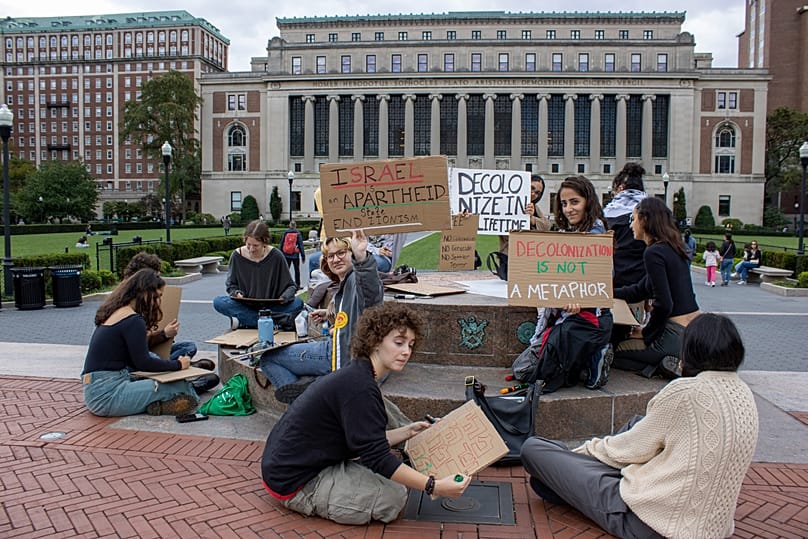
In the monitoring material, National Students for Justice in Palestine pairs “3 years of genocide” with “3 years of resistance” and “for our martyrs.” Other flyers present October 7 as a date for mourning Palestinians without naming the Israelis murdered or the people abducted that day.
Choosing October 7 as the anniversary raises a specific question: what does the organizer say happened on October 7? I think it is a way to deny the violence against Jews and focus on delegitimizing Israel, its right to defend itself and its right to exist.
Other announcements refer directly to Hamas’s operation. Across university campuses around the world there are events celebrating or commemorating the “Al Aqsa Flood”, which was Hamas’s name for the attack.
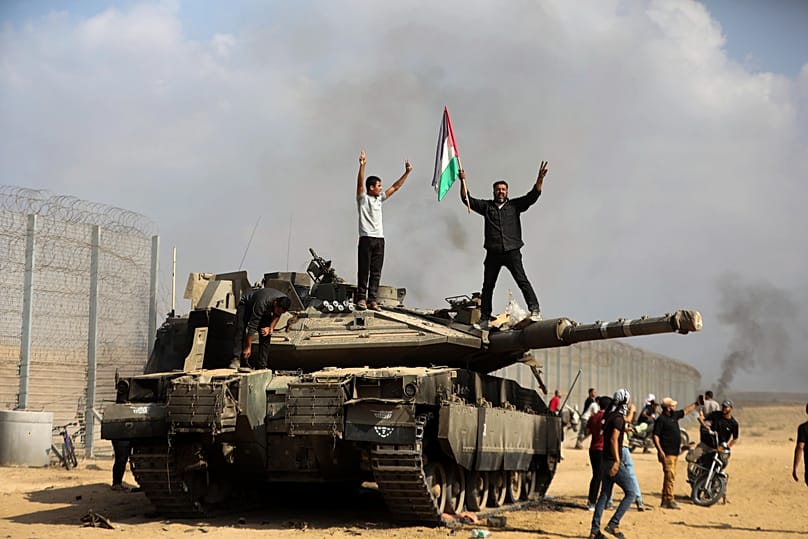
This matters when assessing an event, a slogan and a charge. Mourning Palestinian civilians and commemorating an operation that included the murder, rape and abduction of civilians are different activities. Calling both “solidarity” does not tell an audience which one an organizer intends.
Those distinctions are essential. A Jewish student is not the Israeli government. A synagogue congregation is not a military command center. An allegation against a state does not make those religiously, nationally ethnically associated with it everywhere its defendants. No other people on earth are held responsible for the supposed actions of a state it has ties too.
What I wanted on October 8 was not agreement with every Israeli policy. It was recognition that the people murdered the previous day were human beings, and that their murder did not become less terrible because someone could place it inside a political argument or ideological tirade.
Anniversary events: What exactly do they want to commemorate?
Three years later, that remains the question I bring to these anniversary events. Can they acknowledge the civilians murdered and abducted on the date they have chosen? Can they distinguish concern for Palestinian lives from approval of attacks on Israeli lives? What, precisely, are they asking people to remember?
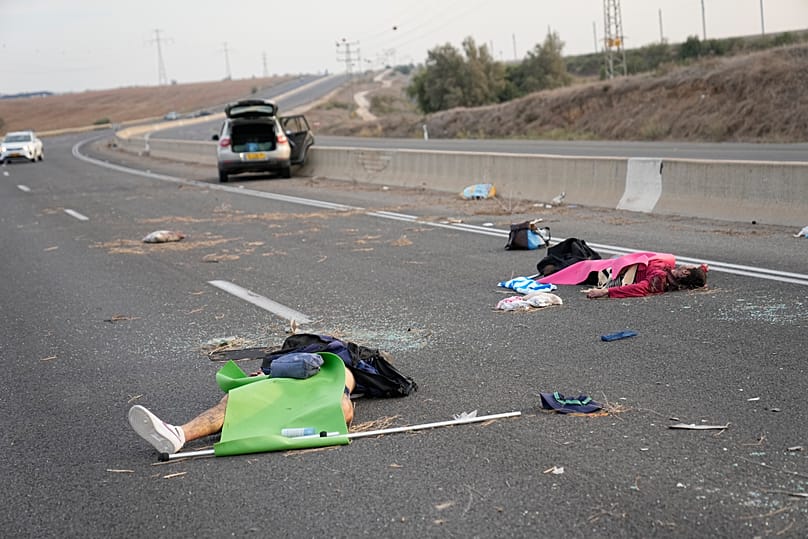
My grandfather is no longer alive, but I still carry the memory of being with him in Belgium as those first images arrived.
I remember the horror of October 7. I remember the isolation I felt on October 8, and I remember why the people in those images must remain people, with names, families and lives, rather than becoming abstractions in someone else’s argument.
An anniversary can hold more than one community’s grief. It should not require anyone’s victims to disappear.
Sacha Roytman Dratwa is CEO of the Combat Antisemitism Movement (CAM), a global coalition engaging more than 1,000 partner organisations and seven million people from a diverse array of religious, political, and cultural backgrounds in the common mission of fighting the world's oldest hatred.