

















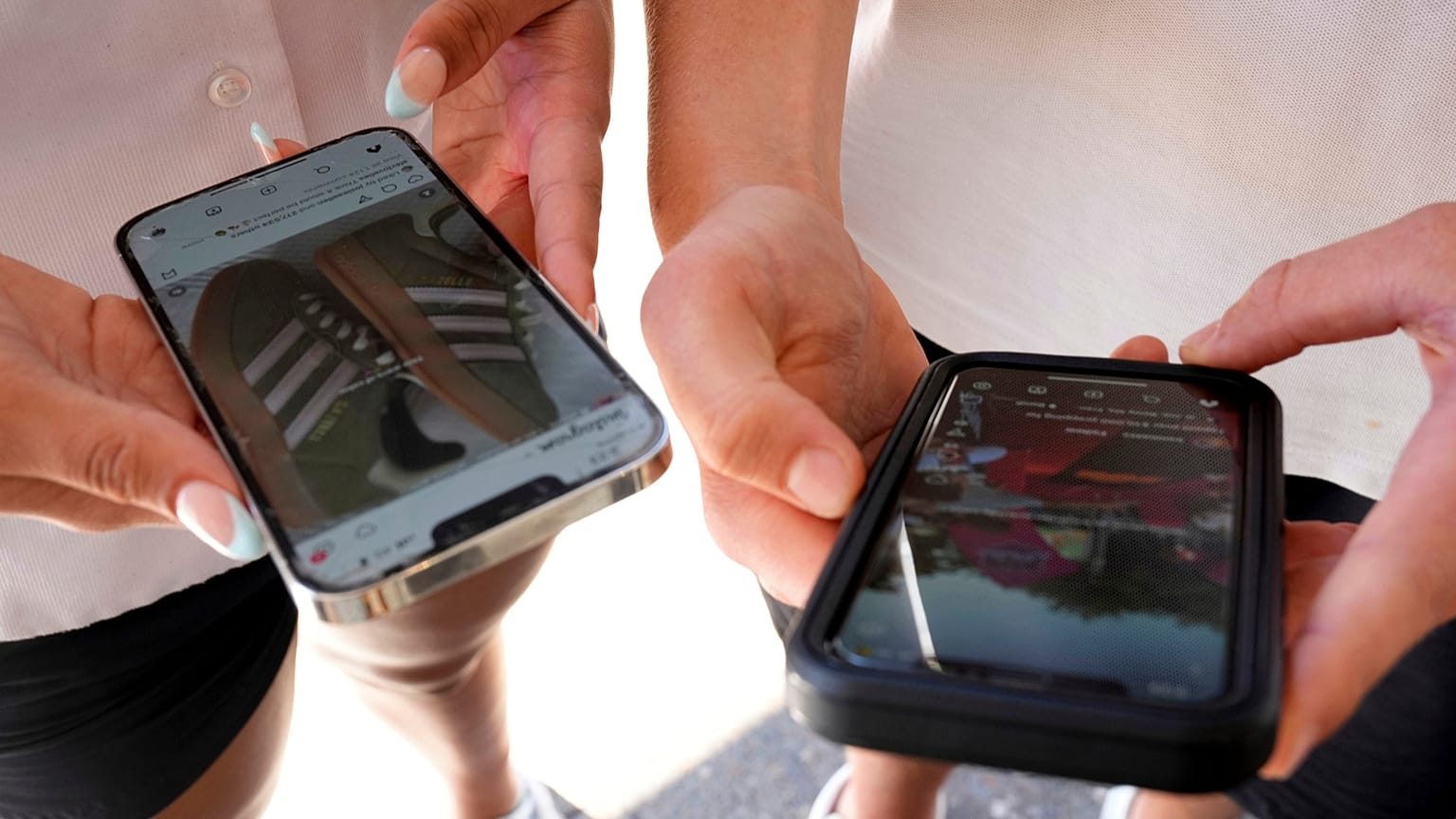













Under the proposed law, firms like Meta could be fined up to 10% of their global revenue if they fail to comply.
New Zealand's government introduced legislation on Monday to ban under 16s from using social media, joining a number of countries seeking to keep youngsters off sites such as Instagram and TikTok.
 ADVERTISEMENT
ADVERTISEMENT
ADVERTISEMENT
Australia implemented world-first legislation banning children from social media in December, with the UK, France and others following suit.
Under New Zealand's proposed law, firms like Meta could be fined up to 10% of their global revenue if they fail to comply.
"We simply cannot accept the harm being done to a generation of New Zealand children," Prime Minister Christopher Luxon said.
"One in three children aged between 13 and 17 are now spending at least five hours on social media a day," he said.
"Social media is exposing them to harmful content, addictive technology and pressures they are not equipped to deal with and it's affecting their family life, mental health, sleep and education."
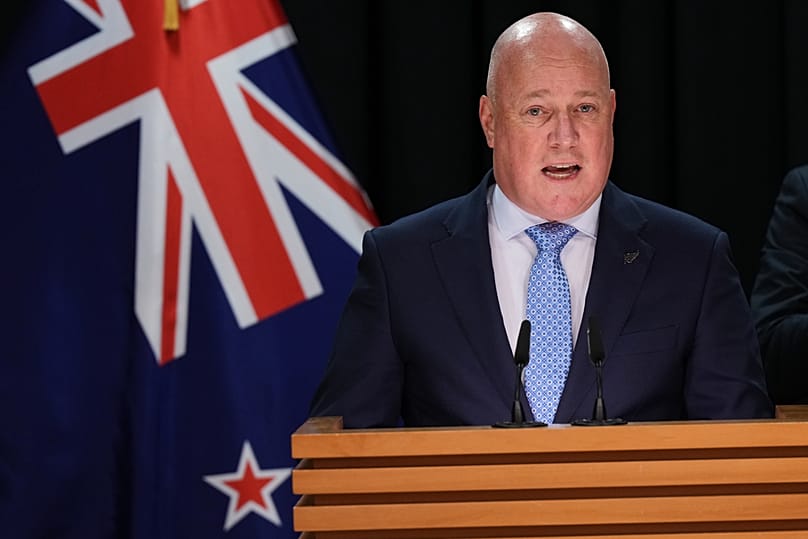
Luxon specifically called out platforms Instagram, TikTok, Snapchat and Facebook, saying they would be required to take "reasonable steps to check users are over the age of 16."
They would have to use "existing account information, facial age estimation, digital ID services and formal ID" to verify age.
Platforms would also be required to assess the risks they pose as well as report on how those dangers are being reduced, with penalties slapped on companies that fail to comply.
Education Minister Erica Stanford said the Bill "places legal obligations on platforms."
"No penalties are proposed for children, their parents or caregivers," Stanford said.
Predatory algorithms
It's unclear whether the bill will pass, as both National Party's coalition partners, the libertarian ACT party and populist NZ First, have said they oppose it.
In a statement, the populist NZ First said they could not support the law given the "colossal failure" of the legislation in Australia, while ACT said they believed the law "won't work" and that teenagers would easily get around the ban.
The main opposition party Labour has submitted a list of dozens of questions it wanted answered before deciding whether it would offer support, including how age verification will work and which platforms will be affected.
"We take this legislation very seriously," spokesperson Reuben Davidson said.
"The safety of young people in Aotearoa New Zealand is at stake and the risks they face in increasingly complex online environments are significant," he added, using the Māori-language name for the country.
Australia banned under 16s last year from the likes of Facebook, Instagram and TikTok, in a crackdown designed to protect children from online bullying and "predatory algorithms."
A team of Australia-based researchers in a peer-reviewed study published in June found little evidence to suggest teenagers have turned away from social media as a consequence, however.