
















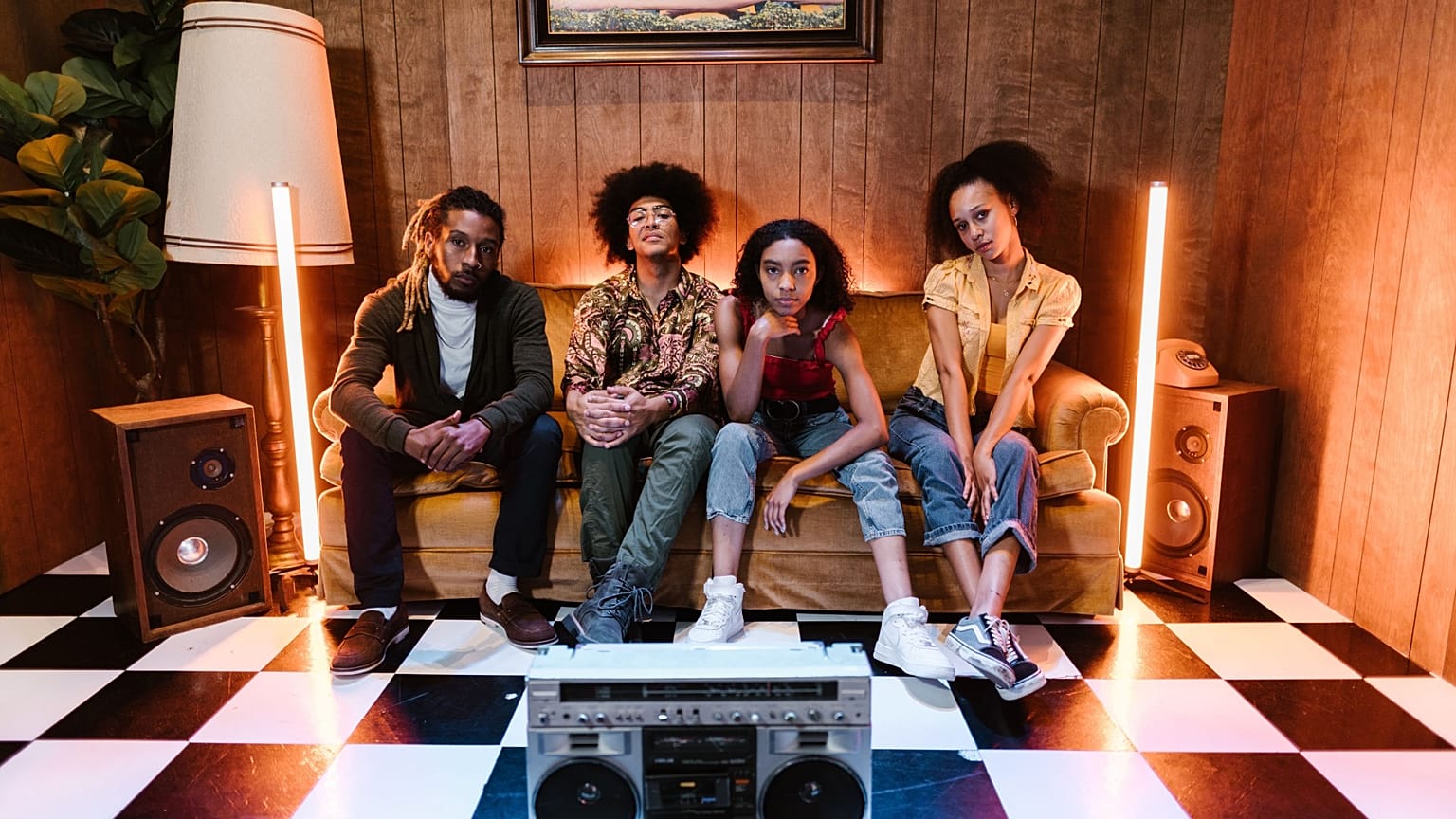













As social media fatigue grows, Gen Zers are opting to take a break with retro devices like flip phones and vinyl records.
Social media and the digital sphere has taken over much of our lives in the last few years. This has especially impacted younger generations such as Gen Z and Gen Alpha, who have practically grown up in the digital era.
 ADVERTISEMENT
ADVERTISEMENT
ADVERTISEMENT
Endless screen time, constant notifications and rising fear of missing out (FOMO) have led to more chronically online users and more mental health issues such as depression, anxiety and low self-worth.
A rising number of ads and tracking features, along with more data privacy and security concerns have also contributed to growing unease around popular social media platforms like Instagram, TikTok and Facebook now.
This has led to an increasing number of Gen Zers choosing to adopt more retro tech like flip phones, iPods and vintage cameras as a way to digitally detox and take a break from social media.
Why retro tech is becoming so popular with younger people
More Gen Zers are interested in early and mid-2000s tech, as a way of escaping the constant stream of notifications, pressure and anxiety that often accompanies most social media platforms.
Some also see tech like “dumb phones” as a way to reduce hours of daily smartphone scrolling and the resulting algorithmic noise, offering a slower, more peaceful experience.
These simpler, single-purpose gadgets also provide fewer distractions, as they lack ads, tracking and constant notifications, allowing people to focus fully on more important goals or just be present for friends and family. In some cases, it also means simply being less reachable.
In many cases, retro and physical tech provides tangible ownership, rather than endless streaming subscriptions, which could change rules or hike prices unexpectedly. This provides a tactile, intentional experience and real ownership of media, without the risk of losing albums due to sudden digital licensing dropouts.
For some Gen Zers, retro tech, such as vintage cameras and grainy photos can signify more authenticity than hyper-curated and filtered digital feeds. Similarly, some retro gadgets are increasingly sought after due to their unique designs and colours, in contrast to increasingly modern, minimalist tech.
In some cases, vintage tech is also a fun style or personal statement for Gen Zers interested in mid-2000s culture.
Which retro tech is Gen Z loving right now?
Although there are several retro gadgets making a comeback right now due to rising Gen Z interest, there are a few which have become particularly popular.
Early-2000s digital cameras and camcorders
These early digital cameras are once again seeing a rise, despite still being grainy, oversaturated and imperfectly designed. They represent a perfect escape from over-processed smartphone photography and capture raw aesthetics.
Gen Zers are loving the vintage colour grading and harsh flash glare offered by Y2K cameras, along with the element of surprise that comes from not seeing a flawless live preview. Handheld tape camcorders are also massive hits for filming nights out and festivals with a distinct nostalgic texture.
Some popular models include the Canon PowerShot series, with older models like the PowerShot ELPH and G-series seeing a marked boost due to viral social media trends and celebrity visibility.
The slim and colourful pocket friendly Sony Cyber-shot from the mid-2000s is also still valued for their distinct, retro built-in flash look, along with the Nikon Coolpix for its chromatic grain and early-era colour science.
Dumbphones and flip phones
Basic single-purpose phones are also making a huge comeback right now, mainly as a secondary device for weekends and social outings. Users often swap their SIM cards into vintage flip phones to intentionally disconnect.
These devices effectively limit access to notifications and apps that can distract from the social plans at hand, while still keeping essentials like calling and text messaging working.
This also helps cut down on screen time and doomscrolling, potentially boosting mental health.
While some believe that this is mainly a temporary trend-driven fad, others think that more people could choose to keep smartphones for their daily life and on the weekdays, while switching to dumb phones for fun plans.
Brands like Nokia/HMD are becoming particularly popular again, especially models like the Nokia 2660 Flip, prized for its outstanding battery, low cost and pocket-friendly size.
Handheld and classic consoles
Devices like the Nintendo Game Boy and PlayStation Portable (PSP) are other retro gadgets seeing a rise at the moment. These offer distraction-free gaming without the constant update loops and microtransactions often seen in modern gaming consoles now.
This provides an offline, low stress environment to people who still genuinely enjoy gaming with complete, functional games. It also removes the pressure of online leaderboards, daily quests and competitive multiplayer games.
Unlike modern digital libraries tied to expiring subscriptions, a dedicated handheld or physical cartridge also feels much more permanent and authentic, while costing far less.
In many cases, collecting older systems like the Game Boy, PS2 or SNES has become a trendy, culturally-driven hobby too, valued for long-lasting physical durability too.
Wired headphones and earphones
Wired headphones and earphones are seeing a boost too, mainly due to a mix of Y2K retro fashion trends, with the dangling wires being seen as a style statement. This has been driven by celebrity and pop star influence as well.
They are also considered to be more practical, as they don’t need to be charged and offer uninterrupted, lag-free audio for watching videos, gaming or listening to music. They are also much more affordable than high-end wireless alternatives, with the wire making them harder to drop and lose as well.
In some cases, it supports mindful tech habits, turning listening to music into a deliberate action rather than an invisible, all-day background noise.
Vinyl records and CDs
Vinyl records, CDs and retro-style cassette players also provide a fun, tactile ritual to music listening, which streaming platforms like Spotify lack. Touching album art, opening CD cases and sliding tapes into a deck can make music feel much more real and special.
Instead of skipping tracks every 10 seconds, putting on a whole album forces people to listen from start to finish, offering a deep listening experience.
Like dumb phones and handheld consoles, these offer real ownership forever too, something that is increasingly rare nowadays, while giving users a break from screen fatigue and digital noise.
Older, uniquely designed tech also provides a personal touch to spaces like bedrooms, allowing people to show off their distinct styles and taste.