















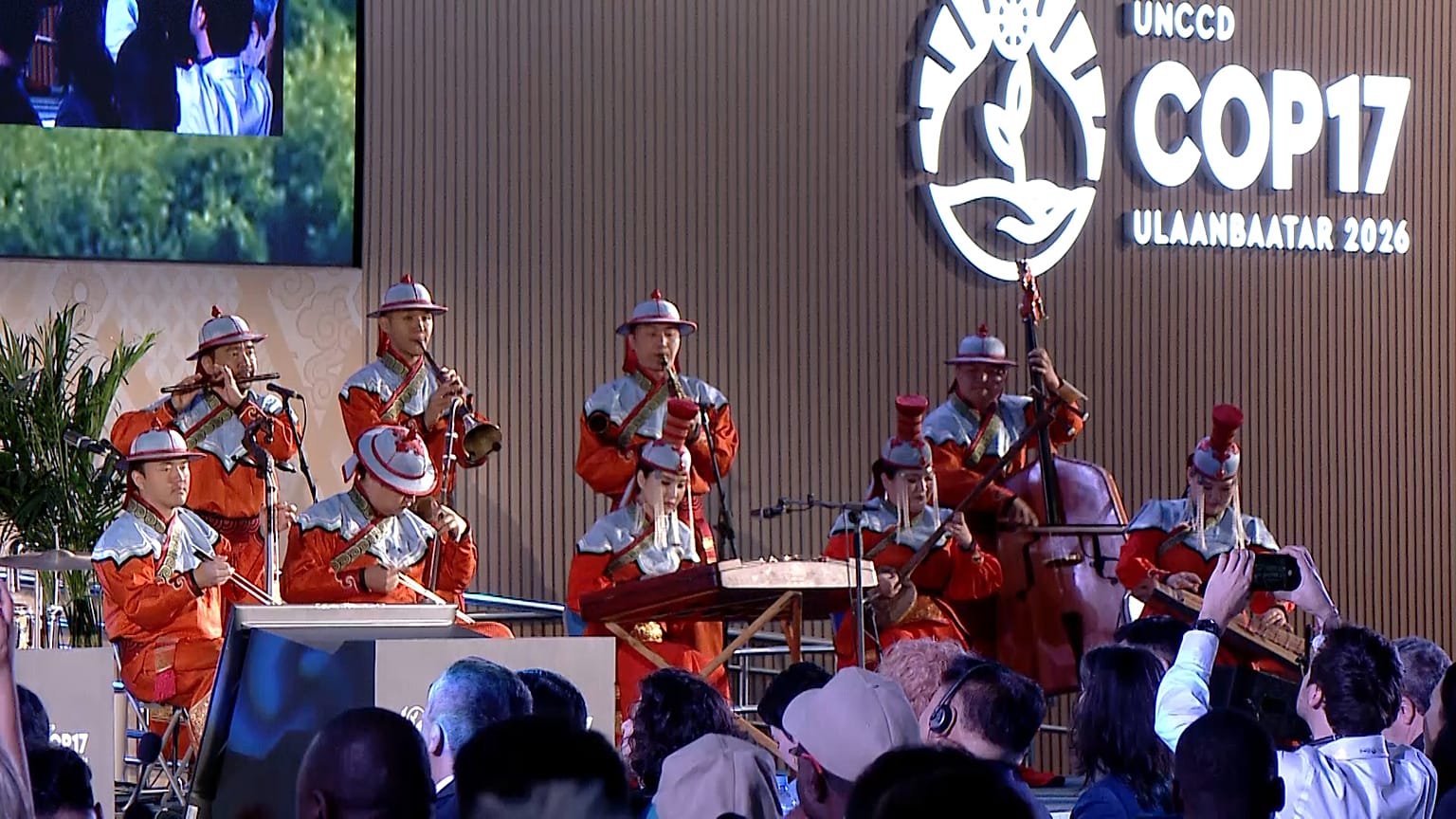














Delegates of 179 members of the UN Convention to Combat Desertification engage with local communities and business partners to find solutions for land degradation which affects half of world's population and creates poverty and mass migration.
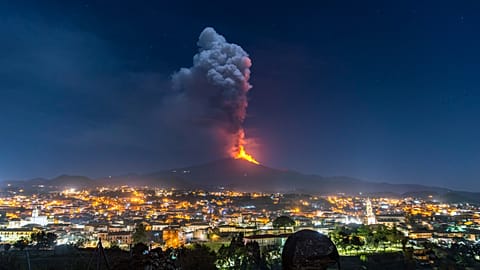
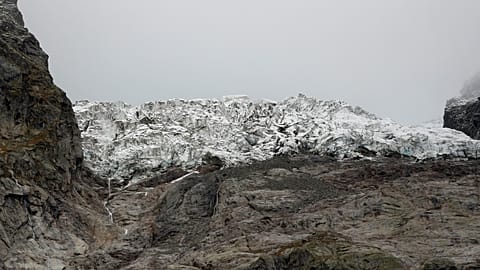
Geography says that 70% of land mass on our planet is suitable for human life. The rest is an extreme environment where people can hardly survive. But that proportion is rapidly changing. 40% of the soil humanity uses to sustain itself is already degraded and is becoming barren. Brought about by climate change, drought, misuse of agricultural land and other human activity, much of the habitable land is turning into a desert with natural, known deserts expanding every day.
 ADVERTISEMENT
ADVERTISEMENT
ADVERTISEMENT
This crisis was detected and its effects scientifically described already in the 20th century. The United Nations appealed to the member states saying that every community needs land to sustain life. Without land there is no food and it triggers poverty, migration and conflict. That is why the United Nations Convention to Combat Desertification (UNCCD) was approved in 1994 and came into force in 1996. It has 197 signatories. They meet regularly to find mechanisms to fight desertification and land degradation.
This year the United Nations entrusted Mongolia with organising the conference of parties, COP17. It opened in the capital of Ulaanbaatar on August 17 with participation of most UNCCD member states and over 400 different organisations and community representatives.
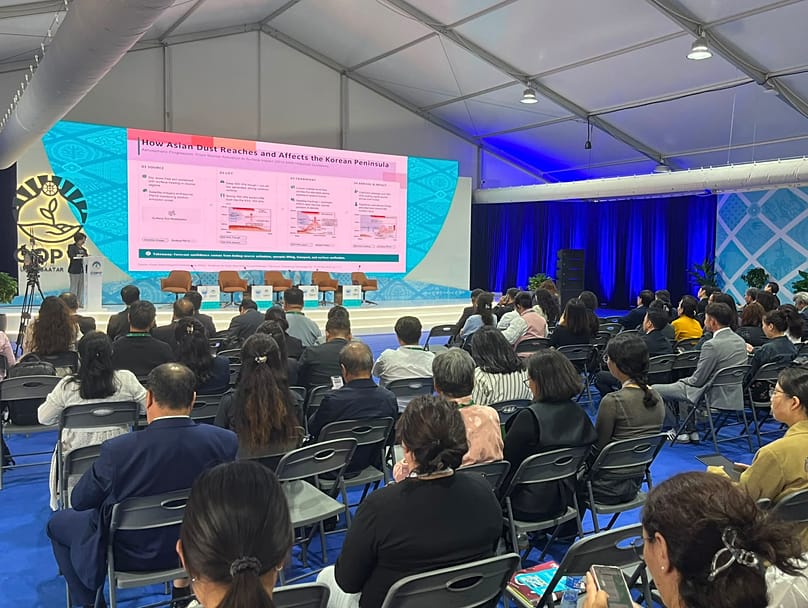
State representatives are elaborating on the plans and funding of the UNCCD. This is the only legally binding mechanism that tackles land degradation. In addition to them, hundreds of experts from academic community, NGOs and government institutions gathered to exchange their experience with loss of soil and share thoughts and plans how to stop desertification and land degradation.
Why they need to do something urgently can be expressed in figures. Almost 3 and a half billion people on the planet are affected by land degradation. According to some estimates, it costs their states and local communities 900 million dollars every year to do something about it and save people from loss of income and food sources.
Droughts have increased by two thirds since the year 2000.
Water is becoming a scarce resource and the demand for it will surpass the sources by 40% by 2030.
85% of the affected people live in medium and low-income countries and much of the mass migration has to do with food and income being unavailable due to land degradation.
The story of the host country, Mongolia where cost to produce a loaf of bread has tripled over just one past decade was repeated by all other participating regions. From the very opening, the leaders were eager to stress that the COP17 is not about some distant environmental worry, but about the problem that is already here and getting worse by the month.
“This summer we saw across different parts of the world, also in Europe, how drought disrupted river transport and strained energy production. It reduced agricultural yield and induced wildfire with losses of lives. Similar stories are there around different parts of the world that we never thought would be affected. The message is clear, droughts are no longer just an environmental issue, they are not just absence of rain or a geographic environmental issue. They are a systemic risk to food and water security, to international commerce, energy supply, livelihood and , simply to stability and prosperity,” said dr Yasmin Foudh, Executive Secretary of the UNCCD at the opening ceremony.
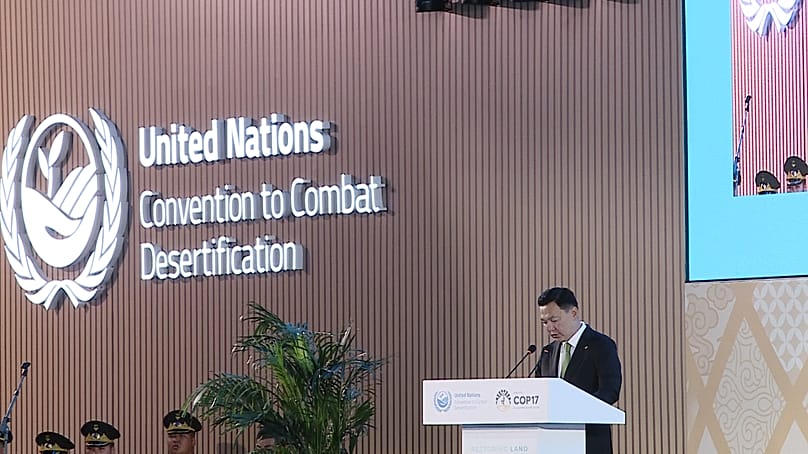
Mongolia has been chosen as the venue for the COP17 for three reasons. First, it wanted to be the host and applied 4 years ago. Second, it is among the countries that feel effects of land degradation. Over the last 8 decades the average temperature in Mongolia rose by 2 degrees Celsius and precipitation dropped significantly. Winds started carrying sand from the Gobi desert over the Mongolian flatlands all the way to South Korean and even Japan. Last but not least, it has been on the forefront of global efforts to combat the spread of deserts.
“Mongolia, our vast country, is among the most affected by the challenges facing the world today. On this vast territory, where there are only two people per every square kilometre, 77% of the country, or in another words, eight out of every ten steps of the land, are affected by desertification and is increasingly being covered by the encroaching sands,” said Mongolian Prime Minister, reminding that since his country joined the UN Convention on Combating Desertification, it has implemented many measures in its development plans.
Assuming the role of the COP17 president, Mongolia’s Foreign Minister Battsetseg Batmunkh pledged her country’s full commitment to combating the degradation of the land that the fabric of her nomadic nation is made of. Pledge supported by action taken so far.
“Today, Mongolia is contributing to global efforts through national initiatives aimed at protecting ecosystems, combating desertification, restoring degraded land, strengthening food security and increasing the resilience of our people and communities. The Billion Trees National Movement, the Food Revolution, White Gold and Unlock initiatives launched by the President and the Prime Minister of Mongolia, together with the recently adopted law on climate change, are tangible expressions of this national commitment. At the multilateral level, Mongolia initiated the United Nations General Assembly resolution proclaiming 2026 as the International Year of Rangelands and Pastoralists,” said Foreign Minister Batmunkh.
What are the solutions and what can COP17 achieve?
There is no one solution to the problem of desertification as each region has its own specific problems with drought, land degradation and their consequences. The sheer scale of the expense needed to combat the problem, estimated at almost 6,500 billion dollars a year sounds like unsustainable lost cause. But it is not so.
Experts have calculated and business people proved, that in many projects aimed at saving soil from turning into Mars-like surface, for every 1 dollar invested you can get 7 to 30 back. Because it is the investment into sustainable food production and green projects, all of which is profitable.
This is fortunate because it allows for the private money to flow into the desperately needed solutions. Since the establishment of UNCCD many countries have implemented measures and added them to their development programmes. Public-private cooperation have been established.
“Countries have already committed to the one billion hectare by 2030 and more than 70 countries had submitted already their drought management plans. So we are not starting from scratch. More than 100 countries would like to translate the land plans into actual projects, investable projects with the potential of 2 billion US dollars. More than 300 businesses are already engaging with us here,” says executive secretary Foudh.
There are many corporate parties involved in the conference as it seeks to utilize private funds and only the host country expects more than 1.5 billion dollars of funds to be directed at its programmes of re-forestation, green energy and sustainable agriculture.
But equally important impact of COP conferences is the interaction between all the stakeholders in the battle against losing soil. In this particular one, more than 500 representatives of indigenous communities, from Amazonia, through Africa to the Asian steppes, were able to speak and relate their problems and proposed solutions.
With 60 organisations exhibiting their solutions and over 400 cultural and scientific events, COP17 also promises to be the of the busiest and liveliest ones during the 12 days of gathering.
Organisers expect more than 30,000 people to visit the event before it closes on August 28.