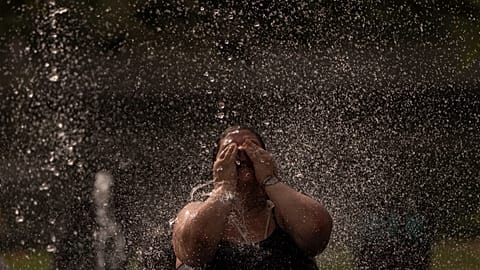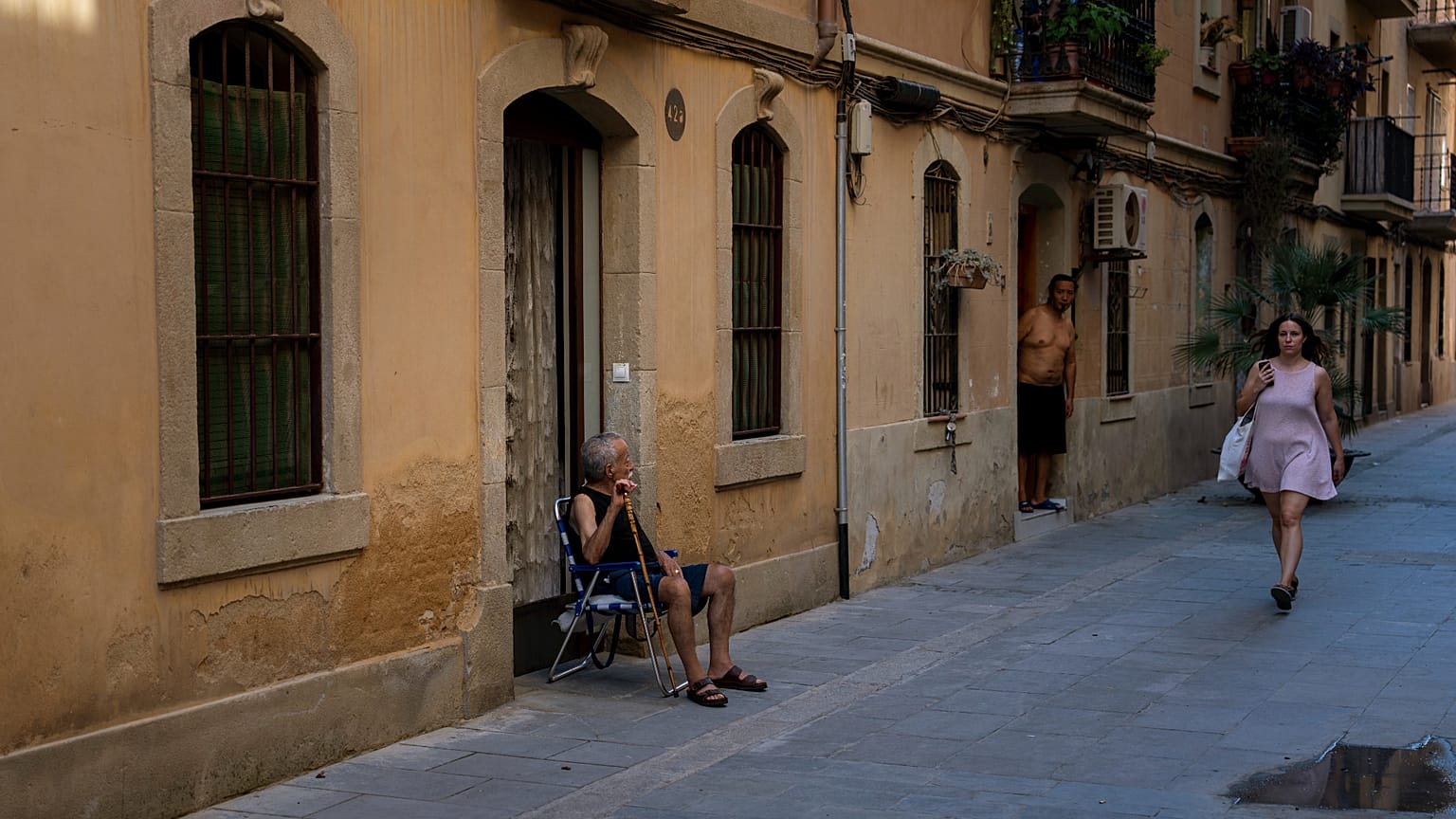













Extreme heat is not only making cities less liveable; it’s also reshaping who can afford to live where.
Sourdough bakeries, third-wave coffee shops and bijou wine bars: the telltale signs of gentrification have been creeping into Europe’s city suburbs for decades. But now there’s a new marker separating the rich from the poor – and it goes much deeper than the quality of the local pastries.
 ADVERTISEMENT
ADVERTISEMENT
ADVERTISEMENT
Climate change risks like flooding, coastal erosion and extreme heat are increasingly shaping where people choose to live. This leads to ‘climate gentrification’ – where property prices in safer neighbourhoods increase due to an influx of wealthy residents, pushing out those with less financial mobility.
A new Barcelona-based study examines the phenomenon, mapping out which areas of the Spanish city are most vulnerable to climate gentrification on an open access platform.
Published in the Journal of City Climate Policy and Economy, the ClimateJusticeReady project brings together environmental, social and housing indicators to create a climate gentrification vulnerability index.
Which neighbourhoods are most exposed to climate gentrification?
Researchers at the Barcelona Lab for Urban Environmental Justice and Sustainability (BCNUEJ) at the Universitat Autònoma de Barcelona (ICTA-UAB) gathered information on heat exposure, access to green spaces, social vulnerability, building age and public facilities for all of Barcelona’s 36 metropolitan municipalities.
Their findings were counterintuitive: the places most susceptible to climate gentrification were the exact opposite of those associated with traditional forms of gentrification.
While house prices in established urban centres are typically high due to the proximity to transport hubs, shops and restaurants, these areas are also built-up and densely populated, making them warmer and more polluted.
Neighbourhoods on the urban periphery, on the other hand, tend to be greener, less densely populated, less polluted, cooler and – until now – more affordable. They also tend to have better quality buildings.
Homes here have evaded the speculation and commercial- and tourism-driven gentrification of their more central counterparts, but the study shows they could become the new destination for those seeking to escape the heat of the city centre.
“As climate change brings us longer and more intense heatwaves in homes that are not prepared for them, people’s priorities may change,” says Amalia Calderón Argelic, who co-led the project.
“Areas where gentrification has not previously been part of the conversation may now become highly attractive from an environmental and thermal comfort perspective.”
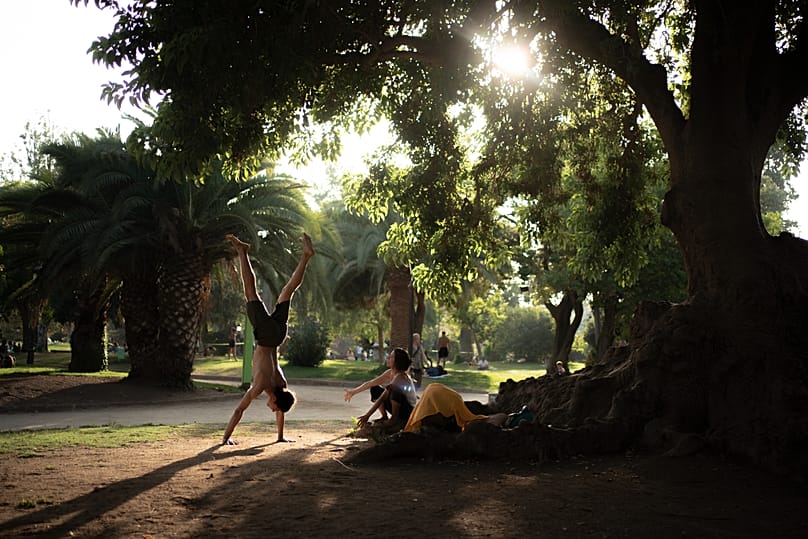
Climate gentrification could spread inequality
Just as locals have been priced out of city centres across Europe, they could soon face additional barriers in the suburbs as extreme weather pushes wealthy residents to move to more shielded neighbourhoods. This would intensify a process already underway.
This summer, successive heatwaves have hit European cities, including Barcelona, with record-breaking temperatures. Extreme heat is no longer an isolated event but an increasingly prolonged feature of European summers, the EU’s Copernicus Climate Change Service recently warned.
Extreme coastal floods are also becoming far more common as human-caused climate change pushes sea levels higher, while rising temperatures are driving heavier rainfall.
Municipal investment in climate adaptations, such as creating green spaces or restoring waterways, can ultimately increase housing costs in local neighbourhoods and displace the vulnerable populations living there, warn ClimateJusticeReady project researchers.
Climate gentrification is already underway in US cities like Boston and Miami, where frequent flooding and sea-level rise are growing threats.
Without policies to anticipate this shift, the same inequalities seen in city centres are likely to be reproduced in new areas, they add.
“The problem is that this could happen in municipalities that are not prepared to manage everything it may entail in terms of social inequalities and displacement,” warns Amalia Calderón Argelich.
The Barcelona project highlights several municipalities on the metropolitan periphery as being particularly vulnerable to climate gentrification. These include Badia del Vallès, Sant Adrià del Besòs, Castelldefels, Valldoreix, and parts of Sant Boi de Llobregat and Torrelles de Llobregat.
It is one of the first to examine the phenomenon systematically in the European Mediterranean – but as extreme weather intensifies due to human-caused emissions, it’s a trend that’s only set to grow.