






























Authorities slowed metro trains, restricted heavy vehicles and closed kindergartens as temperatures climbed to 48C in parts of the country during an unusually intense heatwave.
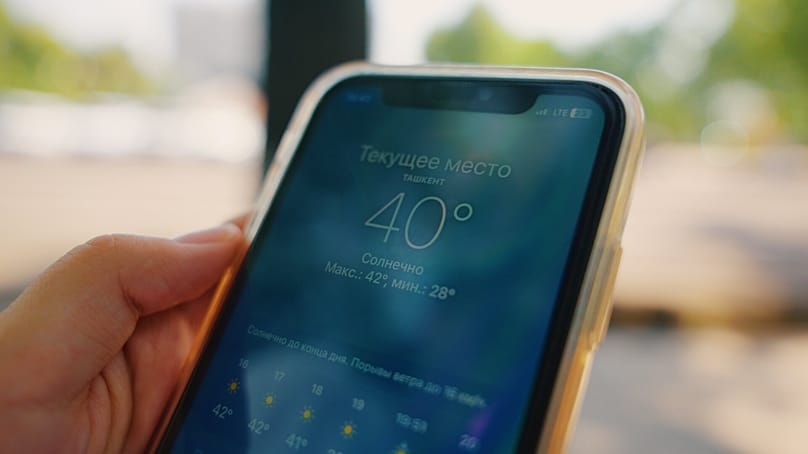
An intense heatwave disrupted daily life across Uzbekistan, prompting authorities to take urgent measures to protect the public as temperatures reached 42C–45C across much of the country.
 ADVERTISEMENT
ADVERTISEMENT
ADVERTISEMENT
Temperatures climbed to 46C–48C in southern and desert regions, putting pressure on public services and forcing residents to adapt their daily routines.
Fire and rescue teams maintained round-the-clock duty near markets, shopping centres and other crowded locations to prevent fires and respond rapidly to emergencies.
Emergency crews also used fire and rescue vehicles to spray water for children in residential neighbourhoods during the hottest part of the day.
“For several days, the Ministry of Emergency Situations has been organising these activities for children in residential areas,” said Murat Sadykov, head of the ministry’s Information Service.
“Fire and rescue vehicles visit areas where children have gathered and spray them with water. During the peak of the summer heat, this helps them cool down and also lifts their spirits.”
The Ministry of Emergency Situations intensified public information campaigns, advising residents on how to protect themselves from extreme temperatures.
“We are carrying out extensive awareness campaigns and informing people about important recommendations on how to protect themselves from the heat and its consequences,” Sadykov said.
“We urge people to drink as much water as possible and to wear light-coloured, preferably white, cotton clothing.”
The Tashkent city administration increased water spraying on central and major roads and stepped up watering of trees and lawns.
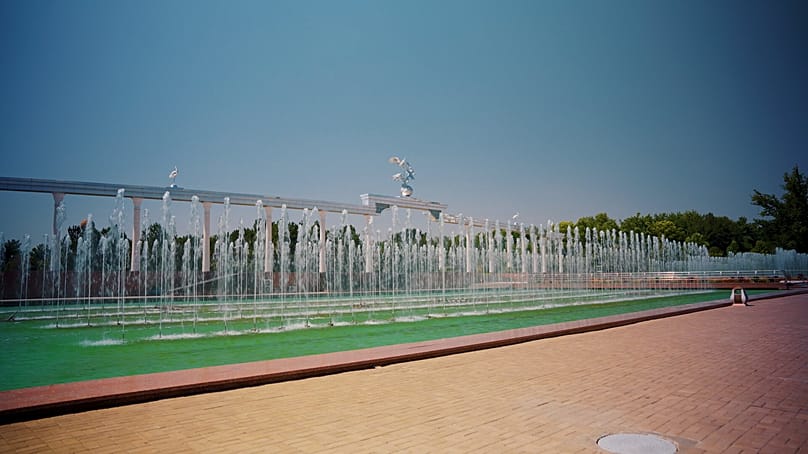
Fountains across the capital were also switched to continuous operation as authorities sought to reduce the impact of the prolonged heat in public spaces.
'You can really feel the difference'
Residents and visitors alike were surprised by the sudden spike in temperature, which is highly unusual for Uzbekistan at this time of the year.
“We came here for a textile exhibition and were not expecting such extreme heat,” Altyn Bakiyeva, a visitor from Bishkek in neighbouring Kyrgyzstan, told Euronews.
“It is also very hot in our country, but it is a few degrees hotter here and you can really feel the difference," Bakiyeva said.
"We try to cope by using air-conditioned taxis, and fortunately our hotel also has air conditioning. Cold water is the only thing that helps.”
Tashkent resident Odinakhon Akramova said families were changing their eating habits and drinking more water.
“We drink a lot of water. We put watermelons and melons in the refrigerator and eat them when they are cold. We mainly eat fruit and prepare only small amounts of cooked food," Akramova said.
The measures formed part of a broader response involving municipal services, transport operators, education authorities and emergency teams.
Emergency services step up prevention efforts
Public transport operators and regional authorities also introduced measures intended to protect infrastructure and reduce safety risks.
In Tashkent, trains on above-ground sections of the metro temporarily operated at 40 kilometres per hour instead of the usual 60 kilometres per hour.
Tashkent Metro JSC said the restriction was introduced because rail temperatures on elevated sections had exceeded the standard limit of 55C. The reduced speed remained in force until 6 pm each day.
In the southern Surkhandarya Region, the movement of heavy vehicles was restricted on some roads between 10 am and 7 pm local time.
Regional authorities said road surfaces could reach temperatures of 70C–80C, weakening the asphalt and increasing the risk of damage from heavy trucks.
Authorities also temporarily closed kindergartens in some of the areas most affected by the heat.
In Karakalpakstan, preschool facilities in Nukus and eight districts were closed following the sharp rise in temperatures, according to the Ministry of Preschool and School Education.
All state-run kindergartens in the Khorezm Region were also closed from last Tuesday to Friday, while restrictions were introduced in several districts of the Navoi Region.
The extreme conditions were expected to ease gradually later this week.