





























The Revolutionary Guard told Ayatollah Khamenei it regarded his message as "a binding command," as Iran's foreign ministry said diplomacy remained open and mediators sought a 10-day ceasefire to revive the framework deal.
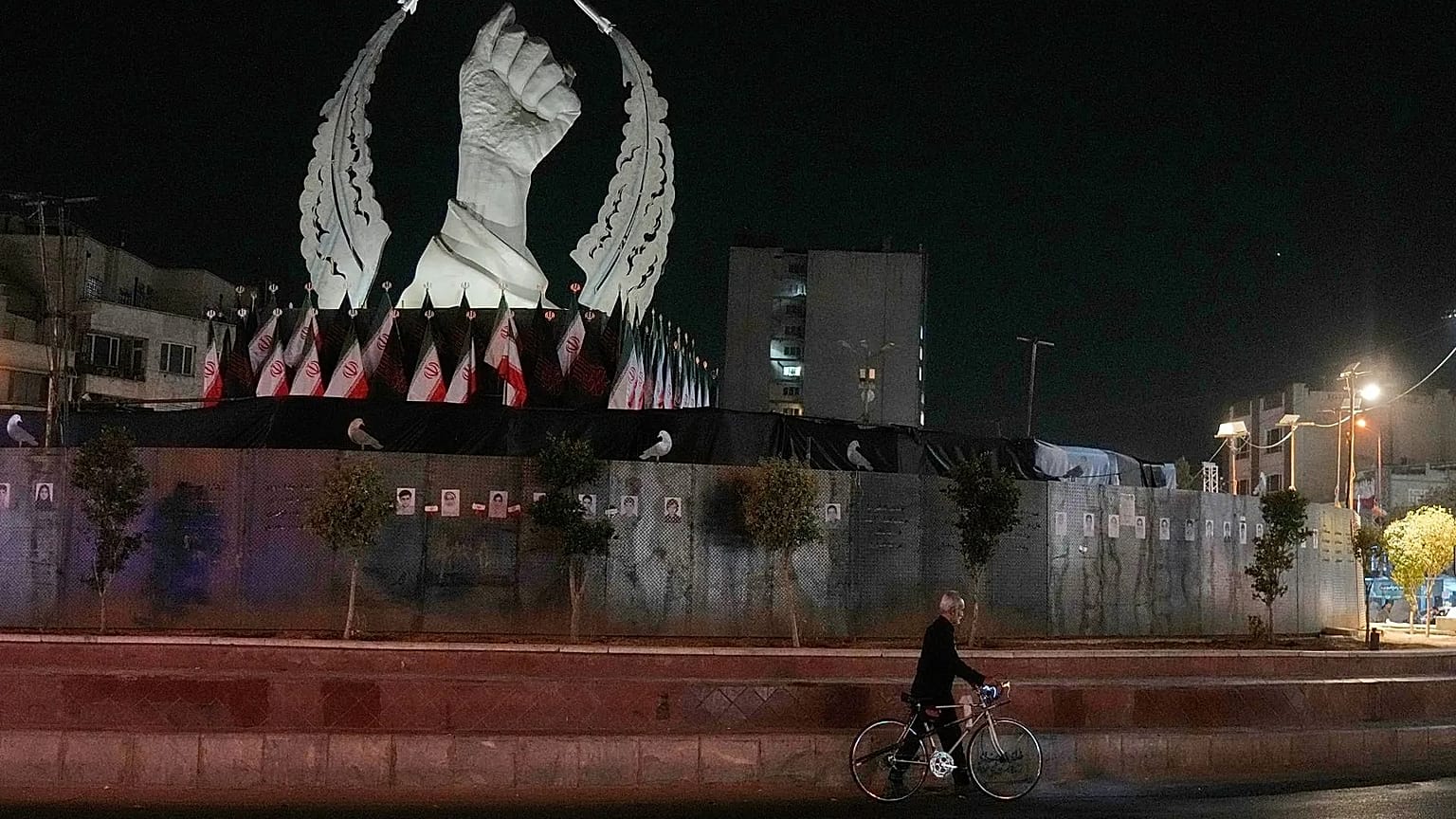
Iran's IRGC vowed on Monday to deliver an "unforgettable lesson" to the US, telling Ayatollah Mojtaba Khamenei in a formal statement that it regarded his message as "a binding command, a divine covenant and a clear roadmap," as Tehran simultaneously signalled that a return to talks remained possible if its national interests were respected.
 ADVERTISEMENT
ADVERTISEMENT
ADVERTISEMENT
"Now, as criminal America has once again chosen the path of error, aggression, and adventurism, we remain committed to this pledge: we will deliver, with power, determination, wisdom, and authority, the 'unforgettable lesson' that you promised," the IRGC said.
"A lesson that will prevent any aggressor from repeating its mistakes, break the ambitions of any aggressor, and record in history the truth of the Iranian nation's unwavering will."
The IRGC pledged it would "never tie the destiny of this land to the promises of an enemy whose record is filled with broken commitments, deception, and hostility toward the Iranian people."
The declaration came as Iranian and US forces exchanged strikes for the ninth consecutive day, as the US confirmed the deaths of at least three of its personnel.
Iran's Health Ministry said at least 50 people had been killed and more than 500 injured in US strikes on southern Iranian provinces since the start of July.
Cities in northwestern Iran, Tabriz and Urmia, were targeted for the first time in the latest wave of attacks, killing at least one person and injuring several others, according to Iranian state sources.
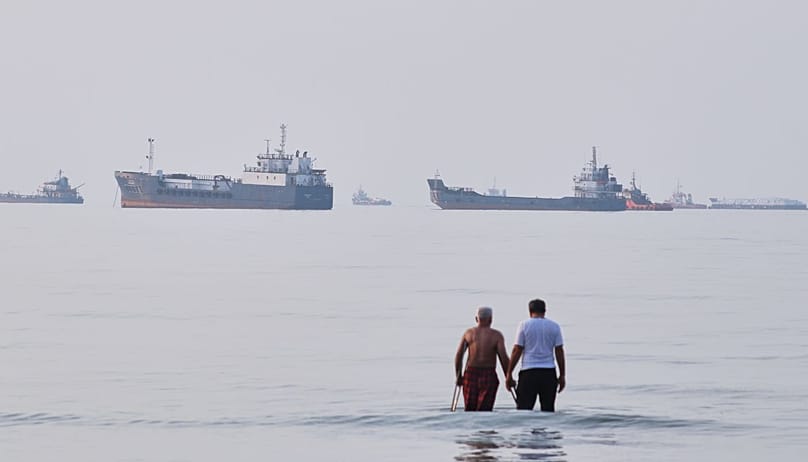
A Malta-flagged vessel also caught fire in Omani waters, the UK Maritime Trade Operations agency reported, around 15 kilometres northwest of Kumzar.
IRGC-affiliated media said the ship was carrying Saudi oil bound for the United States and was using the southern approaches of the Strait of Hormuz. The fire had not been extinguished, and the vessel was drifting without power at the time of publication.
Diplomatic signals emerge amid continued strikes
Despite the military exchanges, Iranian foreign ministry spokesperson Esmaeil Baghaei said diplomacy remained open.
He described intermediaries as having exchanged messages with Iran in recent days and said Interior Minister Eskandar Momeni's visit to Islamabad was part of Tehran's response to those communications.
Momeni, who has a background in the IRGC, may be carrying a message from President Masoud Pezeshkian on possible negotiations, Iranian media reported.
Mediators have reportedly sought a 10-day ceasefire to revive the framework deal, which was put on ice last week after an apparent resumption of all-out hostilities.
Baghaei said diplomacy and military defence were "two powerful pillars" for protecting Iran's national interests. He said Article 5 of the interim deal gave Tehran a future role in discussions over Strait of Hormuz management with Oman and other regional countries, and contained no provision allowing the US to launch military action based on its own interpretation.
US Secretary of State Marco Rubio said Iran, "or at least some people inside Iran," wanted to control the strait and use it as leverage.
"We're always open to diplomacy. It has to be real. It has to be a deal that they're willing to live by," he said before departing for the Philippines.
Iranian military officials have argued that fighting must continue until a new deterrence balance is established.
"Rationality dictates that the war should continue until it reaches a point where it creates complete deterrence for the Iranian nation," Brigadier General Akrami-Nia said.
Parliament speaker and chief negotiator Mohammad Bagher Ghalibaf accused Washington of bad faith.
"The Americans keep bringing new military equipment into the region while claiming they are seeking to end the war," he said.
Pezeshkian said Iran had not withdrawn from any provisions of the framework deal and would stand "until the last breath" in defending the country.
Mojtaba Khamenei, who has not appeared publicly since the start of the war, described Trump's signature on the interim ceasefire agreement as "worthless and invalid" in a message read out on state-run television.
The prolonged absence of the ayatollah has added uncertainty to an already opaque chain of command, with the IRGC increasingly visible as the key decision-making body in the ongoing war.