





























Fuel has been scarce across Cuba since January, when US President Donald Trump threatened to impose tariffs on any nation that supplies or sells oil to the island, exacerbating the island's continuing financial and economic crises.
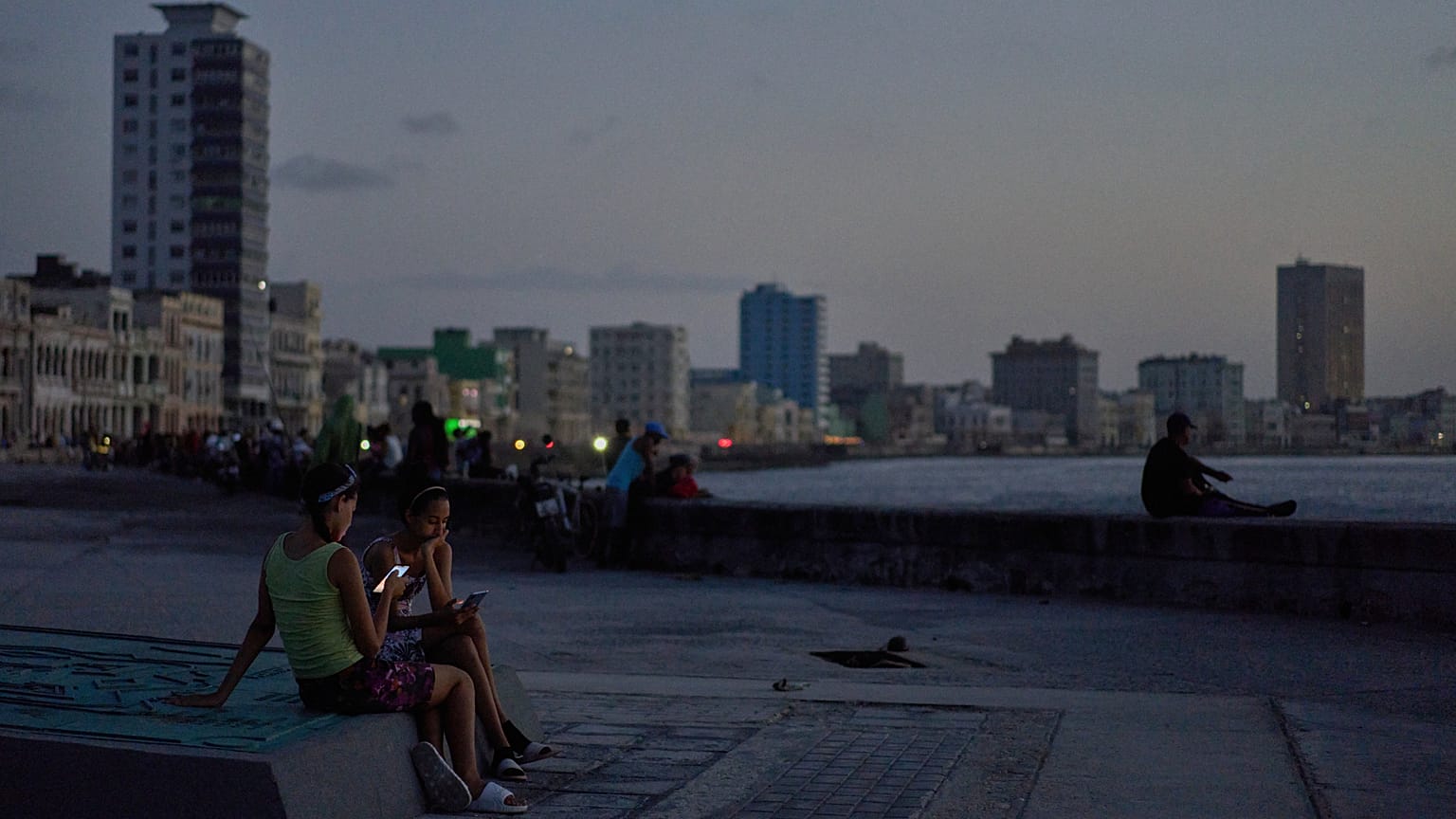
Cuba suffered another blackout of the National Electric System, or SEN, on Tuesday, leaving the entire island country without power, officials said, in what was the third such incident in less than two weeks as a US oil embargo stresses the island’s grid.
 ADVERTISEMENT
ADVERTISEMENT
ADVERTISEMENT
Since January, when US President Donald Trump threatened to impose tariffs on any nation that supplies or sells oil to the island, fuel has been scarce across Cuba, exacerbating the island's continuing financial and economic crises.
Public transportation has largely been halted, and officials have cancelled tens of thousands of surgeries.
Cuba produces only 40% of the fuel it needs, and a solution for fuel imports is not yet in sight.
The state-owned Electric Union reported that a problem with a generating unit in the eastern province of Holguín caused “a sudden frequency change", resulting in the SEN blackout around midday.
Both the Ministry of Energy and Mines and the Electric Union indicated that “protocols for its restoration have been activated", meaning that “micro-islands” are being established and then interconnected to provide power to priority locations, such as hospitals and food processing plants.
By the afternoon, some parts of the capital, Havana, had power restored, media reports showed, while authorities indicated that 4% of the city had received electricity.
Around 9 million Cubans 'left in the dark'
Some provinces, including Guantánamo and Cienfuegos, reported that they had begun distributing power to their hospitals, and Matanzas confirmed that power had been restored to the city’s historic centre.
Last week, two nationwide blackouts — on Monday and Friday — left more than 9 million Cubans in the dark, adding to two others in March, as well as several regional outages.
The blackouts have a significant impact on the population and, combined with the energy embargo, have led to transportation limitations, reduced work hours and flight cancellations, in addition to serious public health consequences.
Basic functions, including cooking, water supply, internet, and phone service, have been impacted by the power outages.
Washington implemented the energy embargo in January after the capture of Venezuela’s then-President Nicolás Maduro and threatened tariffs on other countries that sell fuel to the island. The measures have exacerbated a five-year crisis caused by previous sanctions and failed domestic policies, such as monetary unification.
On Tuesday, four Democratic members of Congress who travelled to Cuba last weekend described the energy embargo imposed on the island by Trump as turning the island into a “silent Gaza".