












10 July is a little-known day of farming weather lore, said to forecast conditions and further heat in the weeks ahead. Why do meteorologists see this “Seven Brothers Day” as fairly reliable?
10 July is regarded, especially in Austria, much as Seven Sleepers Day in June is elsewhere, as particularly important for predicting the weather in the weeks ahead.
 ADVERTISEMENT
ADVERTISEMENT
ADVERTISEMENT
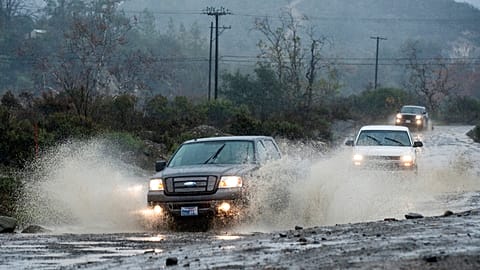
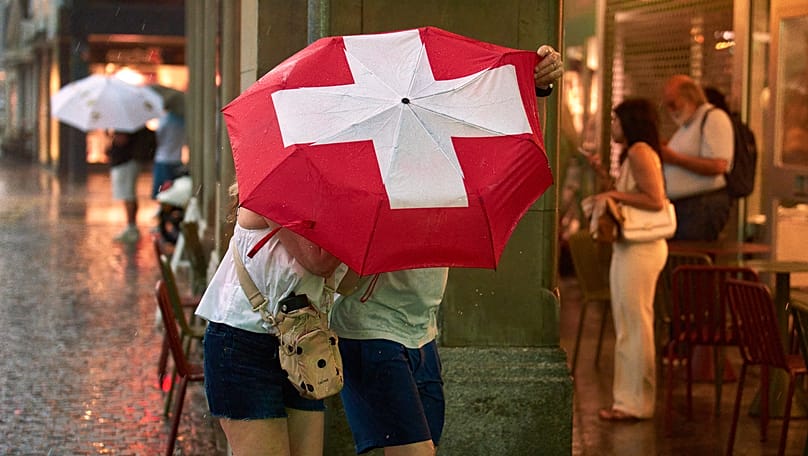
The traditional saying goes: "If Seven Brothers Day is a rainy day, it will go on raining for another seven weeks." As there is hardly any sign of precipitation anywhere in Europe at the moment, the following proverb is more likely to apply: "If the seven brothers bask in the sun, seven weeks of bliss will follow."
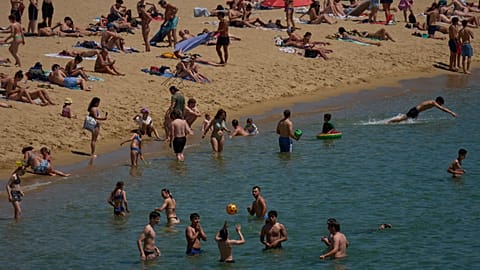
However, seeing the current extreme sunshine with a trend towards a heatwave as "bliss" is becoming difficult not only for people working in agriculture. Drought is making itself felt in many places. Rivers and streams have dried up, many plants have withered.
Many people are currently longing instead for cooler temperatures, like those that are at least bringing pleasantly mild summer weather to northern Germany.
Animals stressed by the heat
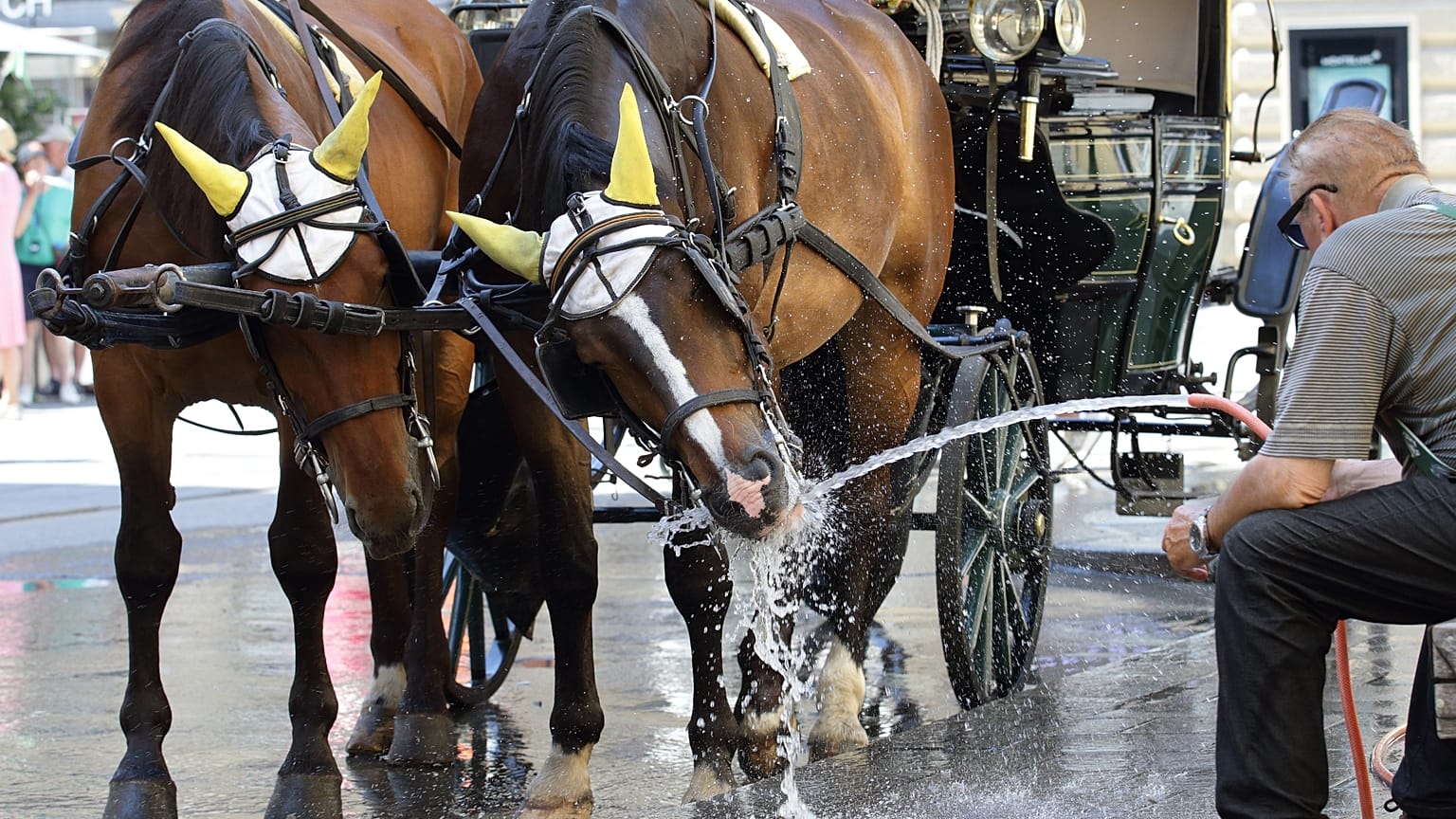
It is not only the fiaker horses in Vienna that are suffering from the heat. As Swiss broadcaster SRF reports, cows already begin to feel too warm from 16 degrees, pigs from 20 degrees. And because stressed animals eat less, milk and meat yields drop during a heatwave. Many farms in Switzerland have adapted – the animals usually stay in the cooler barns instead of out on pasture. In the longer term, farmers want to focus on breeds that cope better with high temperatures.
While the mercury in Vienna is expected to remain just below the 30°C mark, Zurich was forecast to reach 33°C in the shade on Friday, and Geneva 34°C, possibly followed by thunderstorms.
What is Seven Brothers Day?
Incidentally, in the Catholic Church Seven Brothers Day is the memorial day for the seven sons of Saint Felicitas. According to tradition, the patron saint of women and mothers was beheaded around the year 166 in Rome together with her sons Alexander, Felix, Januarius, Martialis, Philippus, Silvanus and Vitalis because she refused to renounce her Christian faith.

According to popular belief, Felicitas had to witness the death of her sons before she herself was beheaded. They are regarded as early Christian martyrs.
Why is the forecast considered reliable?
Apparently the farming rule associated with Seven Brothers Day is not entirely far-fetched, even in expert circles. The so-called jet stream in the upper atmosphere (at around 8 kilometres above the Earth) usually settles into a stable position over central Europe between late June and early July. Its winds tend to determine the weather for weeks on end.
In the Frankfurter Rundschau, weather expert Dominik Jung explains: "At the beginning of July, a large-scale weather pattern often sets in that stays with us for weeks. And the signs are clearly pointing to warm."
According to meteorologist Jung, this is because low-pressure systems coming in from the Atlantic are effectively pushed away and pass far to the north of us.
Heat less humid than at the end of June
According to the German Weather Service (DWD), the greatest heat over the next few days will still be in France. But in Germany too, as the DWD writes, "more and more regions are 'enjoying' 30 degrees or more". In the extreme south-west of Germany, temperatures of 35 or 36 degrees are also being reached.
According to Kachelmannwetter, the heatwave affects not only Switzerland but also Freiburg im Breisgau.
In the coming days, at least initially, the air should not be as humid as it was during the heatwave at the end of June. Nevertheless, the German Weather Service speaks of a "severe heat burden, especially in the south-west", exacerbated by warmer nights, which particularly affect densely populated urban areas.