

















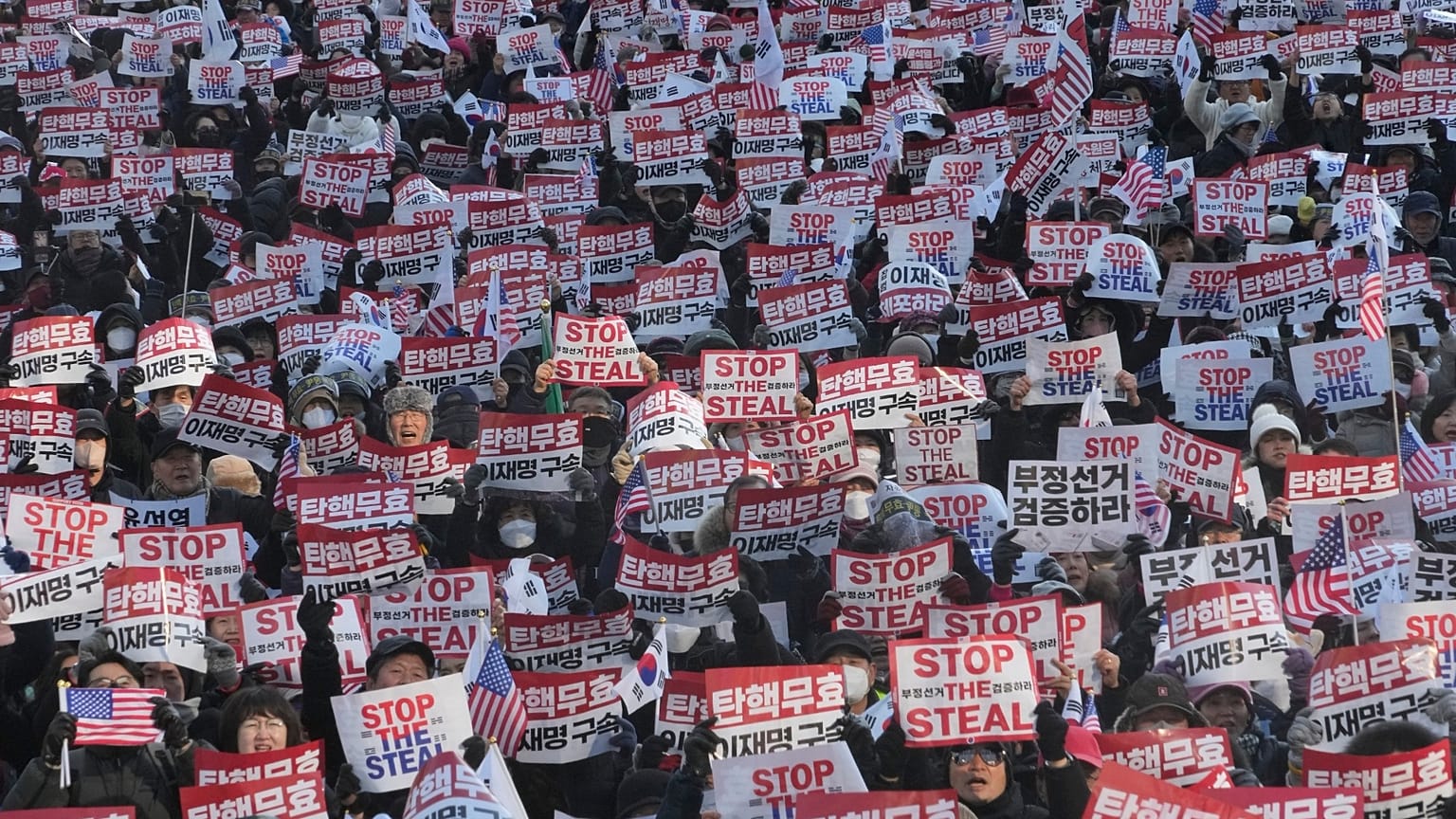













South Korea saw a surge in online misinformation following the botched 2024 martial law attempt, including unsubstantiated allegations of Chinese interference in the electoral system.
South Korea began enforcing a revised law targeting false information posted online on Tuesday, toughening penalties for repeat offenders despite concerns over the impact on free speech.
 ADVERTISEMENT
ADVERTISEMENT
ADVERTISEMENT
The law, which requires major platforms to set up new response systems, comes as concern grows in the country over digital misinformation, including high-profile cases involving celebrities.
But opposition politicians, civic groups and media experts warn it could chill free speech and open the door to government-influenced censorship.
The Asian tech powerhouse previously relied on general defamation laws and civil damage claims to address false information, without a clear legal framework targeting so-called fake news.
With the revision to the information and communications network act it joins many countries trying to tackle the flood of falsehoods online that can have serious real-life consequences.
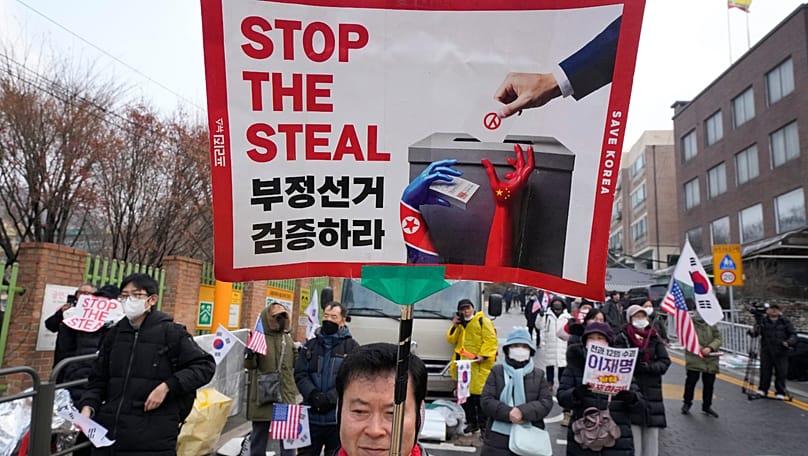
Now users who intentionally spread illegal false or manipulated information could be ordered to pay up to five times the actual cost of damages.
And repeat offenders whose content has been ruled illegal by courts face fines of up to 1 billion won (€573,000).
Platforms including South Korea's Naver and Kakao and US giants Google and Meta must introduce systems for users to report alleged false or manipulated information and publish transparency reports every six months detailing complaints and actions taken.
South Korea saw a surge in online misinformation following the botched 2024 martial law attempt, including unsubstantiated allegations of Chinese interference in the electoral system.
Separately, in a recent high-profile case, a right-wing YouTuber was indicted for using AI-generated audio to falsely claim that actor Kim Soo-hyun had dated a late actress while she was a minor.
The allegations snowballed into a major scandal, forcing Kim to suspend public appearances while a major project was indefinitely postponed.
Critics of the revised law warn that the lack of a clear legal definition for false or manipulated information could create uncertainty and invite overly broad legal enforcement at first.
The main opposition People Power Party (PPP) has repeatedly criticised the revision, arguing that platforms will censor content to avoid clashing with the government, while users will self-censor.
"We will see a world where platform companies excessively remove information, investigative journalism is stifled and citizens find it difficult to even speak their minds," PPP spokesperson, Cho Yong-sool said in a statement.
The Journalists Association of Korea also called for safeguards to ensure public-interest reporting and news-gathering are not suppressed.