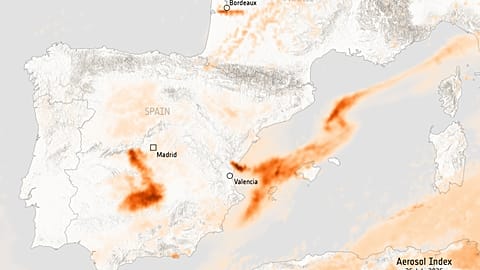














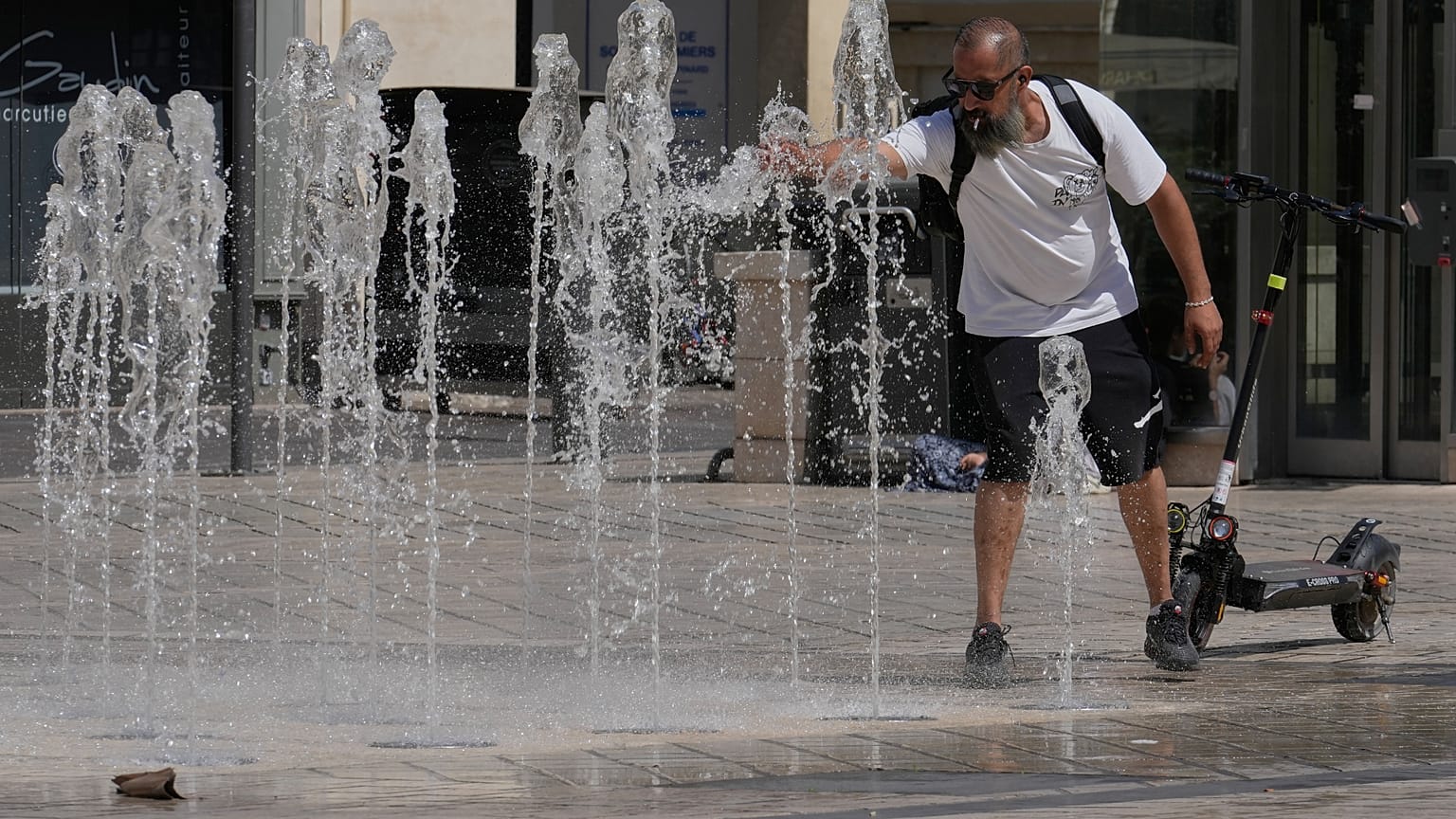













Extremadura and Andalusia are under orange heat alerts, with temperatures of 40ºC to 42ºC expected.
Spain's national weather agency is warning more extreme heat could be on the way this weekend, with temperatures of up to 42ºC possible in parts of the country.
 ADVERTISEMENT
ADVERTISEMENT
ADVERTISEMENT
AEMET said warm air masses are set to sweep over Spain in the coming days and that a second heatwave could not be ruled out.
Extremadura and Andalusia are under orange heat alerts, with temperatures of 40ºC to 42ºC expected, while yellow alerts have been activated along the banks of the Ebro, in the Lleida Pyrenees, and in the south of Gran Canaria.
The Canary Islands will see temperatures of around 36ºC in the western islands and 38ºC in the eastern ones. In the north of Spain, the hot spell will be felt mainly on Saturday and Sunday.
The underlying cause is a build-up of extreme heat in the lower atmosphere to the west of the Iberian Peninsula, where a new heat dome is forming over unusually warm Atlantic waters. That dome is expected to drive the hot conditions over the next few days.
Temperatures will continue to rise through the weekend of 3 to 5 July and will keep climbing into the start of next week.
To be formally classified as a heatwave, three conditions have to be met. Temperatures must exceed the 95th percentile by a wide margin, it must last at least three days, and it must affect at least 10% of Spanish territory.
Based on the calculations available so far, it is highly likely that these criteria will end up being met, with high temperatures expected to last between three and five days in some areas.
Hot nights also look likely, with nighttime lows predicted to be between 20ºC and 26 ºC and the possibility of touching 27ºC to 28ºC.
Spain saw the second-warmest June since records began last month, with an average temperature 3.2ºC above normal, second only to June 2025.
AEMET experts have noted that, of the 12 June heatwaves recorded since 1975, half have occurred since 2015.