

















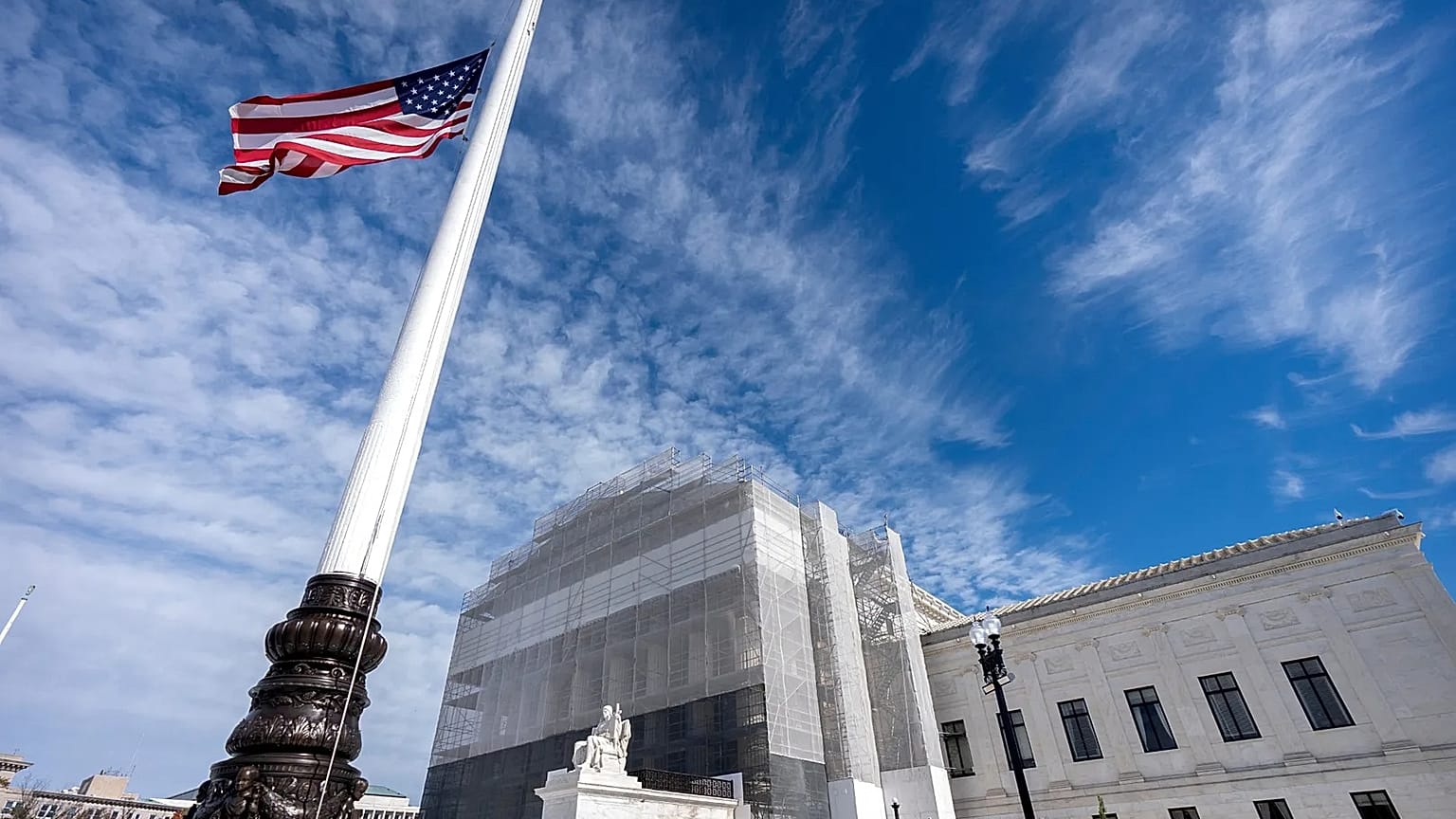













The 14th Amendment says that "all persons born or naturalised in the United States, and subject to the jurisdiction thereof, are citizens of the United States and of the State wherein they reside".
The US Supreme Court has struck down an executive order signed by US President Donald Trump that aimed to end automatic birthright citizenship for children born on American soil.
 ADVERTISEMENT
ADVERTISEMENT
ADVERTISEMENT
A majority of five Justices decided that Trump's order violated the country's 14th Amendment.
Chief Justice John Roberts joined Justices Sonia Sotomayor, Elena Kagan, Amy Coney Barrett and Ketanji Brown Jackson in agreeing that the policy was unlawful. Justice Brett Kavanaugh concurred in the judgement but wrote separately that he did not agree that the order violated the 14th Amendment, although he said it "does contravene a federal statute".
Justices Clarence Thomas, Neil Gorsuch and Samuel Alito filed dissenting opinions.
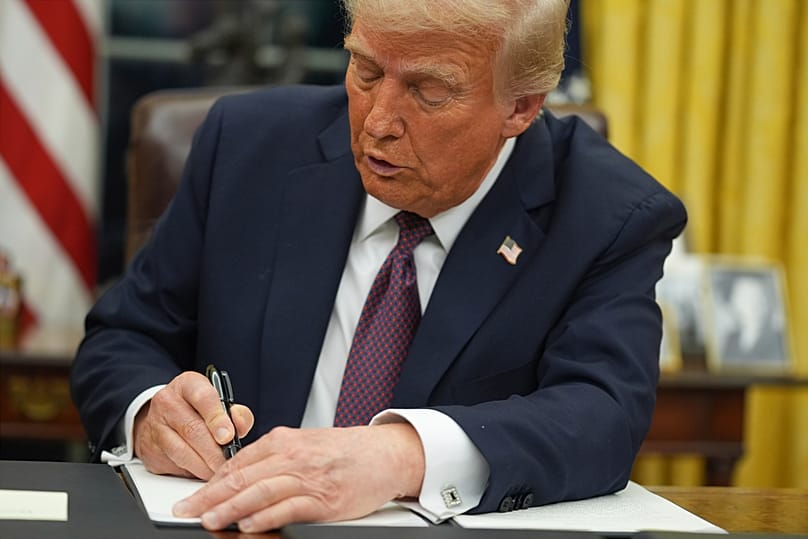
Trump signed the order in January 2025 as he began his second term in the White House, which has been marked by efforts to impose limits on both legal and illegal immigration. It said that 30 days after its effective date, children born in the US would no longer be entitled to citizenship at birth if their parents had been in the country illegally or temporarily.
The 14th Amendment, which was adopted in 1868, says that "all persons born or naturalised in the United States, and subject to the jurisdiction thereof, are citizens of the United States and of the State wherein they reside".
Delivering the majority opinion, Chief Justice Roberts wrote: "Children born in the United States to parents unlawfully or temporarily present are 'subject to the jurisdiction' of the United States and are citizens at birth under the Fourteenth Amendment’s Citizen ship Clause".
"Citizenship, then and now, was the right to have rights— to freely participate in our political community. The Framers of the Fourteenth Amendment extended that promise to 'every free-born person in this land,'" he added.
Responding to a host of Supreme Court decisions in a post on Truth Social, Trump said his Republican party had overall been "treated very fairly" by the court but that his administration would "work to correct" the birthright citizenship loss in congress.