














SpaceX has been awarded investment-grade credit ratings by all three major agencies just days after its record stock market debut, even as its newly listed shares slid sharply on Thursday.
Elon Musk's space and AI firm secured first-time ratings from Moody's, Fitch and S&P Global on Thursday, a milestone that places its debt firmly in investment-grade territory and could allow it to borrow more cheaply as it funds a vast expansion.
 ADVERTISEMENT
ADVERTISEMENT
ADVERTISEMENT
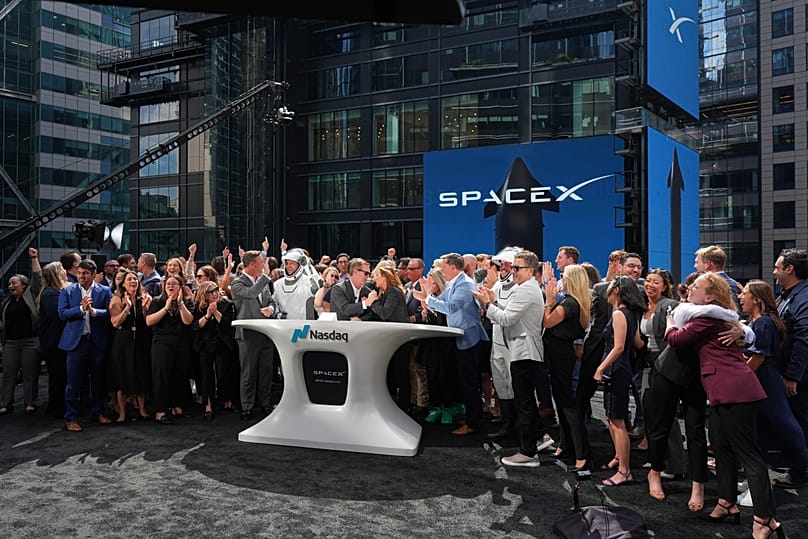
The endorsements arrive less than a week after the company's record IPO, which raised around $85.7 billion (€73.8bn) in the largest initial public offering in history.
Moody's assigned SpaceX a Baa1 long-term issuer rating with a stable outlook. In its report, the agency pointed to the firm's "exceptional franchise strength" as the world's leading orbital launch provider and operator of Starlink, the largest low Earth orbit satellite broadband network.
The rating is also slightly higher than Tesla's Baa3. Reacting to the news in a reply on social media, Elon Musk wrote: "Tesla’s credit rating is ridiculously low to be honest."
According to Moody's, Starlink has become SpaceX's primary cash flow generator, underpinning improving scale, wider margins and a gradual shift away from more cyclical launch revenue.
Moody's also set out the risks. It said the rating was constrained by the heavy execution and financial demands of SpaceX's large-scale AI buildout, marked by high capital intensity, sustained negative free cash flow and an uncertain range of returns.
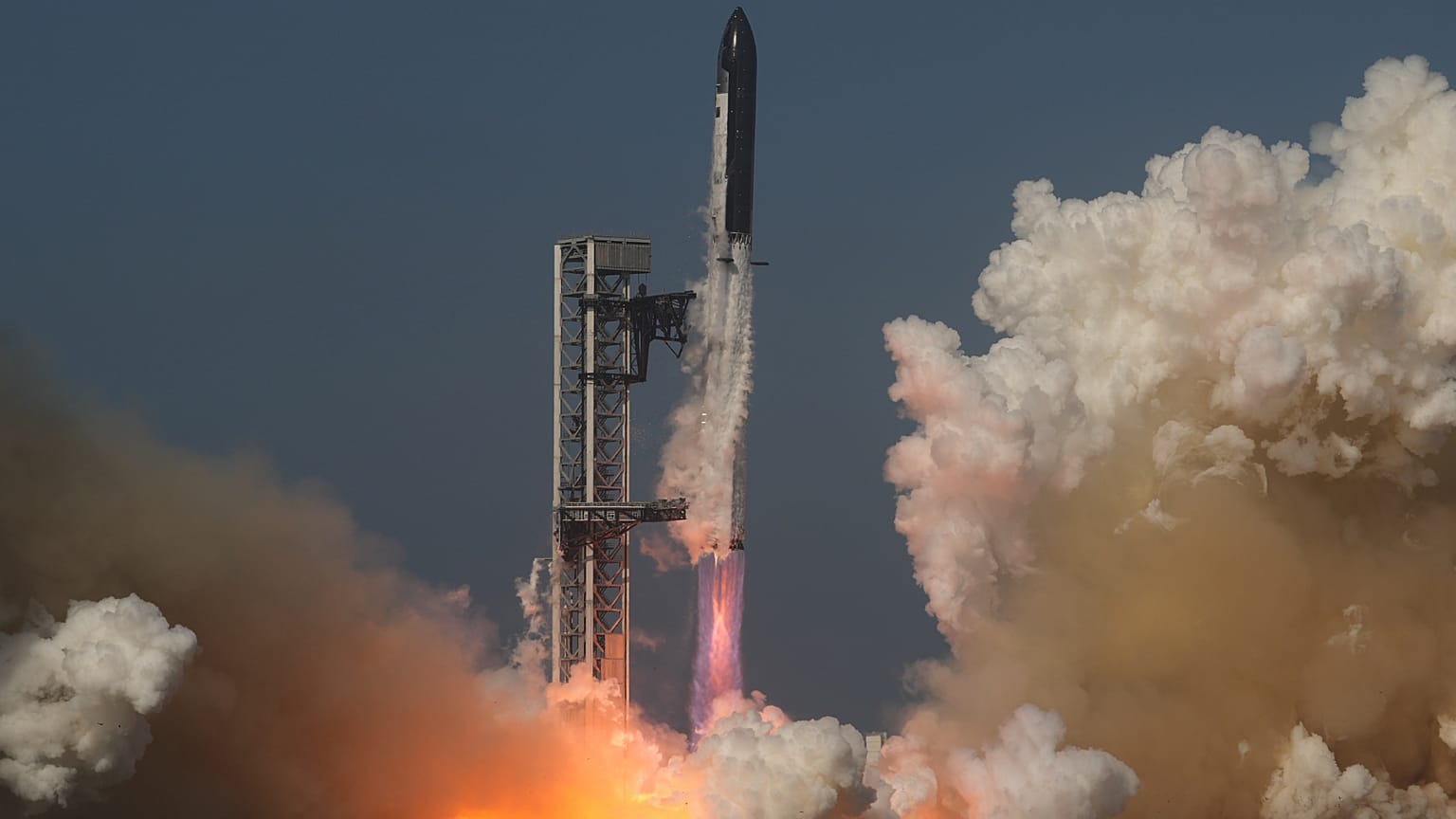
The agency highlighted the company's dependence on the next-generation Starship V3 vehicle, warning that technical setbacks or delays could pressure long-term growth.
It further pointed to elevated governance risks tied to SpaceX's controlled structure and concentrated voting power, which it said limit independent board oversight and leave the firm heavily reliant on a single individual, Elon Musk.
However, Moody's still projects strong revenue and earnings growth through 2028, driven chiefly by Starlink, which counted 12 million subscribers as of early June, alongside an expected turning point in the AI division.
The agency cited recent third-party compute deals with Anthropic and Google worth a combined $75 billion (€65bn) as evidence of that potential.
As for the other credit agencies, Fitch issued a BBB+ long-term issuer default rating, also with a stable outlook, citing the company's commanding lead in commercial launch, where it has delivered more than 80% of global mass to orbit since 2023.
Meanwhile, S&P Global assigned a BBB rating with a stable outlook, weighing the strength of the launch and connectivity businesses against the risks of the nascent AI segment and the company's substantial capital needs.
Shares slide from their peak
The ratings did little to steady the stock on Thursday.
SpaceX closed at $185, down more than 18% from the high of $225.6 it reached on Tuesday, when its valuation briefly topped $3 trillion (€2.6tn).
The shares fell as low as $172 during the session before paring losses, as investors weighed whether the company's lofty valuation had run too far.
The retreat has reshuffled SpaceX's standing among the world's corporate giants. The company now ranks once again as the sixth most valuable listed firm by market capitalisation, having given back some of the ground it gained earlier in the week.
On Tuesday, it had overtaken Amazon to claim fifth place, and at its intraday peak, it briefly leapfrogged Microsoft into fourth before this week's slide pushed it back down.
Even after surrendering some of those gains, SpaceX sits among the most valuable companies on the planet just a week into its life as a public firm, and the investment-grade verdict from all three major agencies marks a notable shift in how financial markets judge a business that spent years operating as a privately funded rocket maker.