

















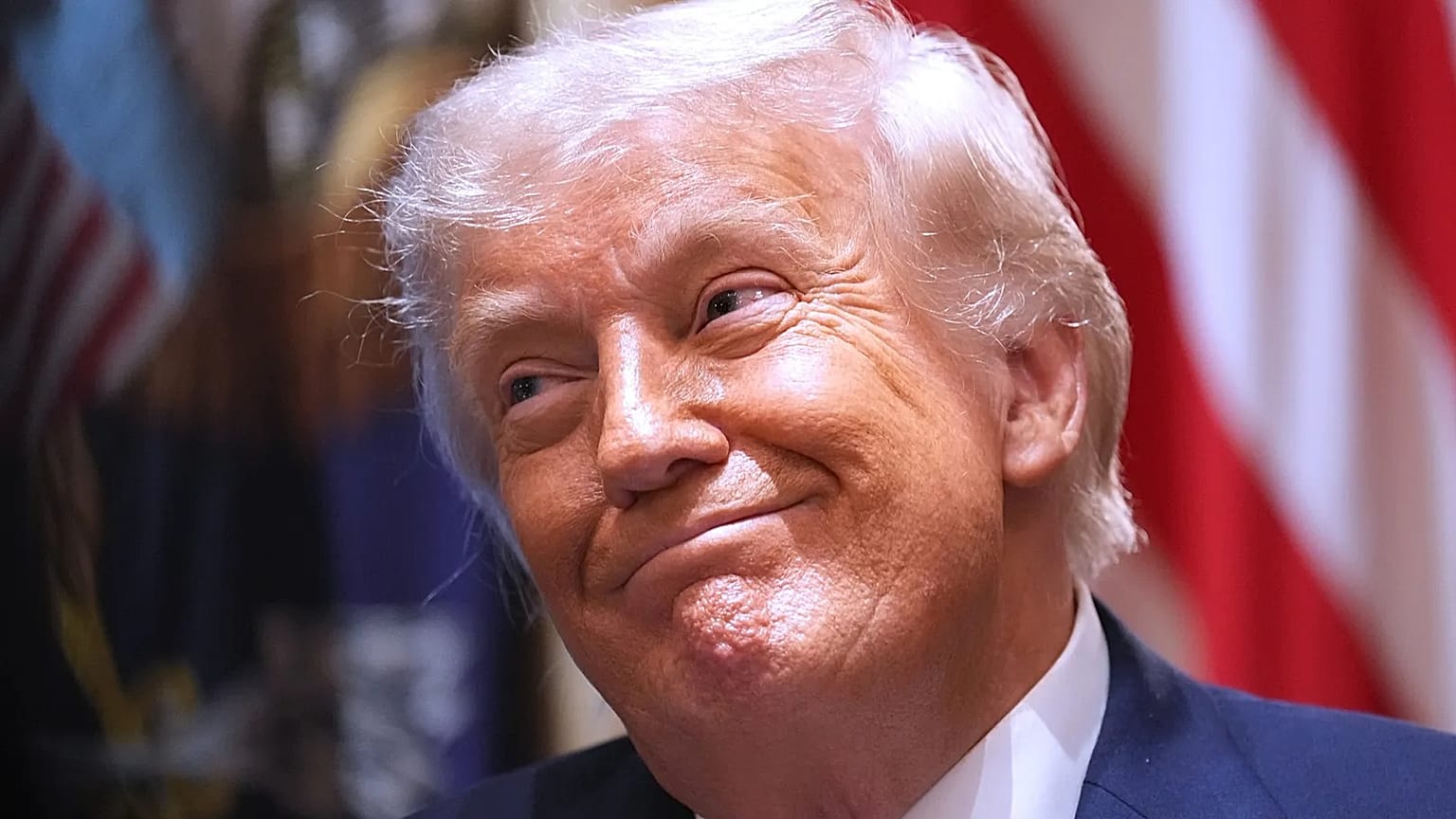













The comments provide a rare public glimpse into tensions between the two leaders, who have long presented a united front despite occasional disagreements behind closed doors.
US President Donald Trump has confirmed reports of a heated exchange with Israeli Prime Minister Benjamin Netanyahu, acknowledging that he used strong language during a phone call as he sought to curb Israeli military action in Lebanon.
 ADVERTISEMENT
ADVERTISEMENT
ADVERTISEMENT
In an interview published by the New York Post on Wednesday, Trump was asked about reports that he had confronted Netanyahu over Israel's continued fighting with Hezbollah and threats to strike the Lebanese capital, Beirut.
"You said, 'Are you f***ing crazy? What are you f***ing doing? I helped you stay out of jail.' Is that true? Did you speak to him in those terms?" the interviewer asked.
"I did," Trump replied. "I was a little bit perturbed at his constantly fighting with Lebanon."
Trump said he urged the Israeli leader to de-escalate the situation, telling the newspaper's podcast, "I said, 'Bibi, we gotta stop this.'"
The comments provide a rare public glimpse into tensions between the two leaders, who have long presented a united front despite occasional disagreements behind closed doors.
Trump describes call as 'very productive'
Trump nevertheless sought to emphasise that relations between the two remain strong.
"We've worked very well together. I like Bibi a lot. And I work very well with him," he said.
According to reports by Axios and ABC News, Trump was angered by Israeli threats to target Beirut, fearing that further escalation in Lebanon could undermine efforts to revive negotiations with Iran aimed at ending the wider regional conflict.
Reports on Tuesday revealed that Trump had also said to Netanyahu, "I'm saving your a***. Everybody hates you now. Everybody hates Israel because of this."
Despite the reported disagreement, Trump described both himself and Netanyahu as leaders operating in wartime circumstances and maintained that cooperation between Washington and Jerusalem remained intact.
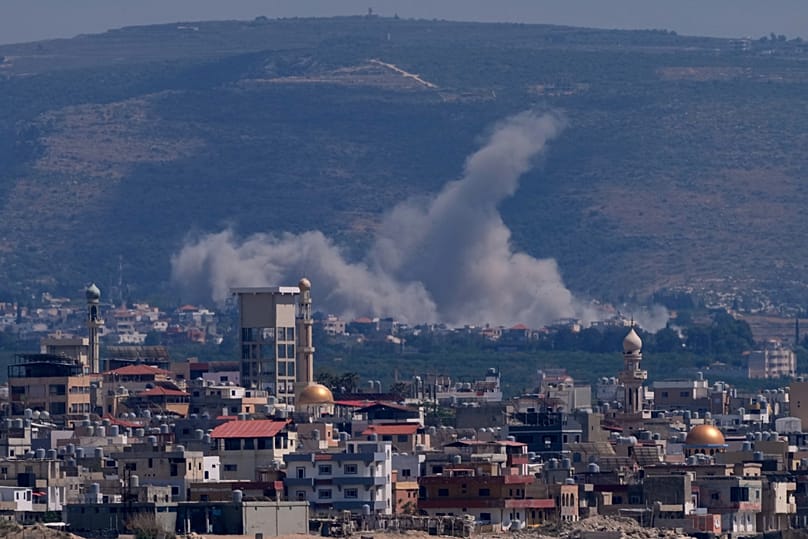
After the phone call on Sunday, Trump took to his Truth Social platform to describe it as "a very productive call with Prime Minister Bibi Netanyahu, of Israel."
The exchange comes as the US continues efforts to secure a broader settlement in the Middle East.
Trump has repeatedly said that Iran must abandon any pursuit of nuclear weapons and that shipping routes through the Strait of Hormuz must remain open.
Asked whether disruption to traffic through the strategic waterway could continue through the Labor Day holiday in September, Trump said: "I don't know. I mean, I think it could be (closed through Labor Day), but I think it's unlikely. I think that we'll have it. I think this will resolve itself fairly quickly."
'Israel's greatest friend' no longer in sync with Netanyahu
The two leaders have been moving in similar circles since the 1980s, when Netanyahu was serving as Israel's ambassador to the United Nations in New York, while Trump was building his profile as one of Manhattan's most prominent real estate developers.
That connection would eventually develop into one of the closest and most consequential partnerships between an American president and an Israeli prime minister.
The relationship reached its zenith during Trump's first term in the White House. His administration delivered a series of major policy victories sought by Netanyahu and successive Israeli governments, reshaping the strategic relationship between Washington and Jerusalem.
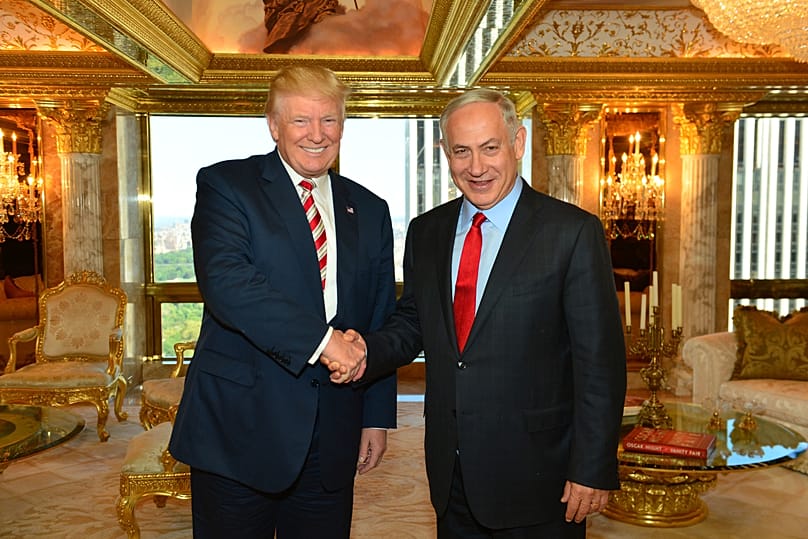
Trump officially recognised Jerusalem as Israel's capital, moving the US embassy there. He also supported Israeli sovereignty over the Golan Heights and brokered the Abraham Accords between Israel and several Arab states.
The warmth between the two leaders was evident in public appearances. In 2020, as Trump unveiled his Middle East peace plan, Netanyahu told him: "You have been the greatest friend that Israel has ever had in the White House."
Trump was equally effusive. Welcoming Netanyahu to the White House, he presented him with a ceremonial key and described him as "an amazing leader for a long period of time."
Yet the relationship has never been without tensions. The most serious rupture came after the 2020 US presidential election when Netanyahu quickly congratulated Joe Biden on his victory.
Trump felt betrayed by the move telling Israeli journalist Barak Ravid "The first person who congratulated [Joe Biden] was Bibi [Benjamin] Netanyahu, the man that I did more for than any other person I dealt with…Bibi could have stayed quiet. He has made a terrible mistake."
By 2024, however, the relationship had largely recovered as Netanyahu looked to shore up his links to the White House as Trump began his second administration.
Even before Trump took office Netanyahu made several calls to him telling the media, "we see eye to eye on the Iranian threat."
That symbiotic tie has been tested in the last few days as it appears the two allies are no longer in sync when it comes to dealing with Beirut and Tehran.