















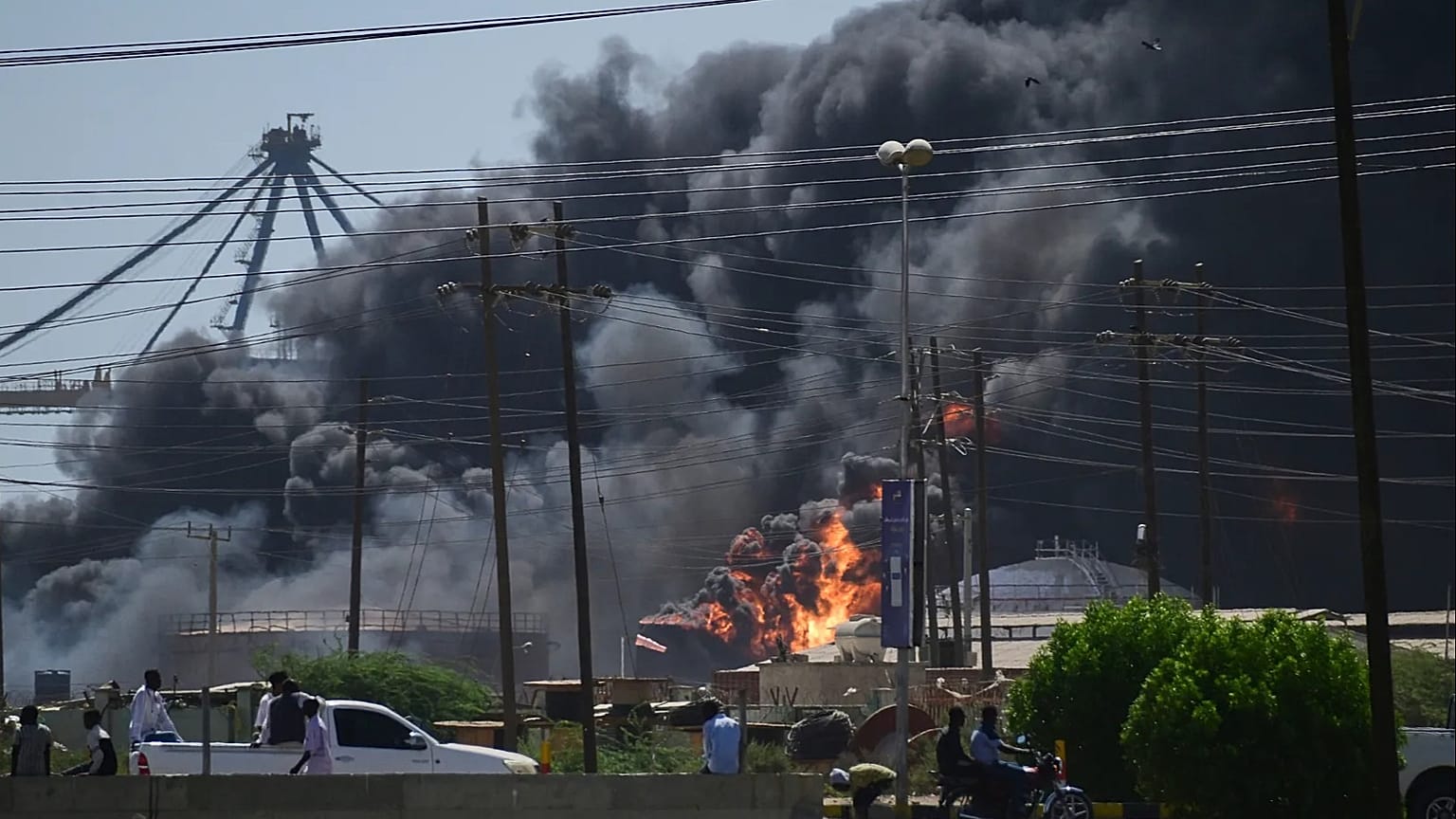














Most of the civilian deaths attributed to drone strikes in the first three months of the year were recorded in the Kordofan region and Darfur, although the strikes were also increasingly spreading beyond both regions.
At least 880 civilians were killed in drone strikes in Sudan between January and April this year, the UN said on Monday, warning such strikes were pushing the conflict towards a "new, even deadlier phase," more than three years into the war.
 ADVERTISEMENT
ADVERTISEMENT
ADVERTISEMENT
The drone strikes carried out by both Sudan's army and paramilitary Rapid Support Forces (RSF) group, which have been at war since April 2023, have intensified across the country in recent months.
According to the United Nations rights office, its Sudan team had determined that "drone strikes accounted for at least 880 civilian deaths - more than 80 percent of all conflict-related civilian deaths - between January and April this year."
"Armed drones have now become by far and away the leading cause of civilian deaths," UN rights chief Volker Türk said in the statement.
A growing use of drones allows fighting to continue "unabated" in the rainy season, which in the past has seen a lull, he said.
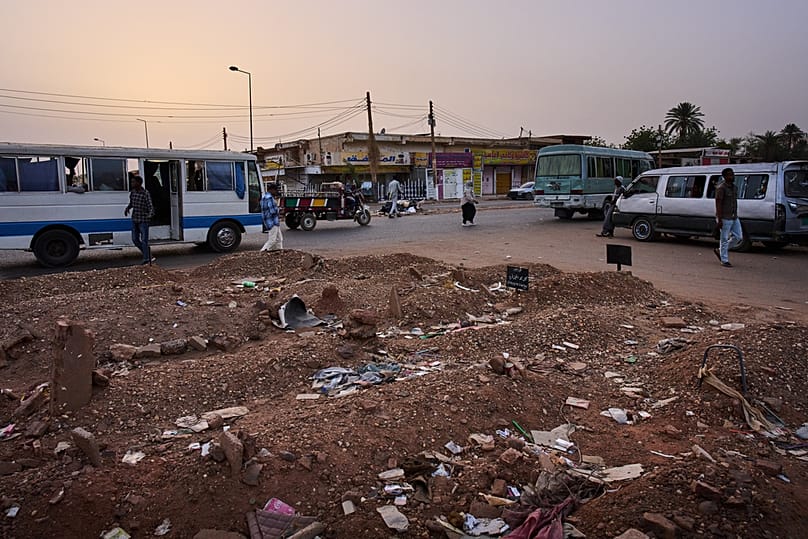
"An intensification of hostilities in the coming weeks...risks hostilities expanding even further to central and eastern states, with lethal consequences for civilians across enormous areas," he said.
According to Türk, "Unless action is taken without delay," the conflict which has killed tens of thousands, displaced over 11 million and thrust several areas into famine will enter "yet another new, even deadlier phase."
More drone attacks recorded in Darfur and Kordofan regions
Most of the civilian deaths attributed to drone strikes in the first three months of the year were recorded in the Kordofan region and Darfur, although the strikes were also increasingly spreading beyond both regions to Blue Nile, White Nile and Khartoum, according to the UN.
The strikes have continued, with the most recent on 8 May when drones struck Al Quoz in South Kordofan and near El Obeid in North Kordofan, reportedly killing 26 civilians and injuring others, the rights office said.
Belligerents had used drones to repeatedly strike civilian objects and infrastructure, "diminishing access to sufficient food, clean water and health care," the UN rights office said.
Markets have been repeatedly targeted, with at least 28 such attacks resulting in civilian casualties in the first four months of the year.
Türk warned that heightened violence would disrupt provision of critical humanitarian assistance.
"Much of the country, including Kordofan, is now facing an increased risk of famine and acute food insecurity," he said, adding that the situation was being exacerbated by fertiliser shortages linked to the Middle East war.
Health facilities have been hit at least 12 times, it added.