














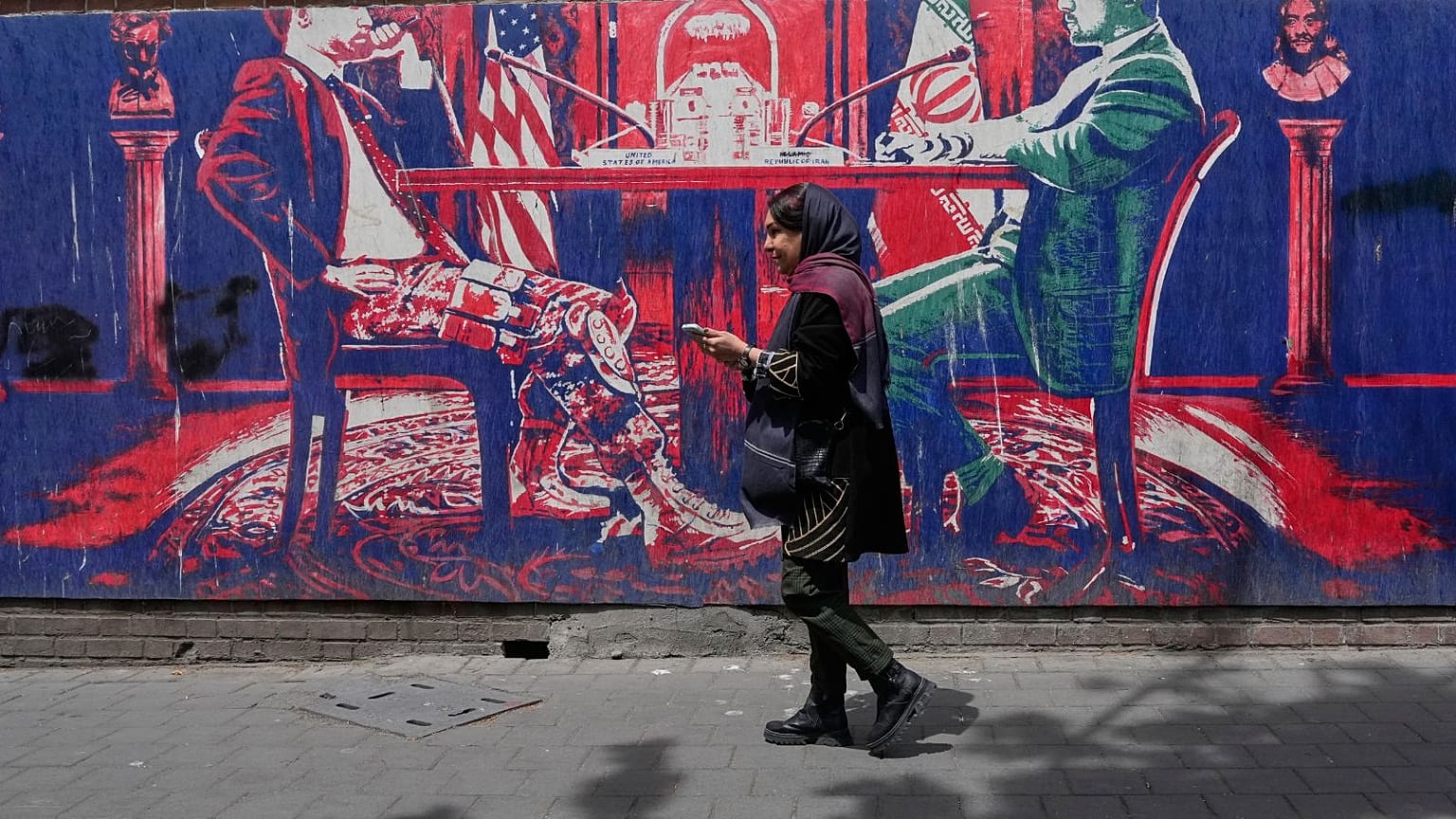













People in Iran who spoke to Euronews said they were torn between hope for regime change and fear of devastation, while reflecting on US-Israeli strikes, rising hardship and fading support for war.
When the US and Israel launched strikes against Iran on 28 February, some Iranians — exhausted after decades of life under the ayatollah's clerical regime and grief-stricken watching Tehran's security forces massacre thousands of protesters in January — had concluded that military intervention was the only remaining path to change.
 ADVERTISEMENT
ADVERTISEMENT
ADVERTISEMENT
Two months later, with the Islamic Republic still in place and a ceasefire agreement seemingly taking shape, many of those same people are no longer sure they were right.
Euronews spoke to Iranians from Tehran, Karaj, Kerman, Tabriz, Shahroud and other cities about their experience of the war, their views on whether it was justified, and what they believe comes next.
All interviewees were approached under severe restrictions. Iran maintains tight internet controls, censors domestic media and has arrested journalists covering the war and protests.
Most of those interviewed rely on Persian-language satellite television broadcasting from abroad — channels the government labels enemy media — alongside fragmented social media and word of mouth.
To protect their safety, Euronews has used pseudonyms throughout.
Casualty figures from the January protests remain contested. Several interviewees cited estimates of up to 40,000 killed, a death toll previously shared with Euronews by insiders in Iran.
Most international tallies are lower but themselves incomplete, and the Iranian government — which historically reports significantly lower death tolls during crackdowns — has not released comprehensive data.
Seeing intervention as necessary
Among those interviewed, several said they supported the US and Israeli strikes before they began and still do.
Mehdi, 44, a publisher in Tehran, had no doubts about where he stood. "The Islamic Republic had put enormous pressure on the people of Iran and, in response, people used the last of their strength in last year's January protests," he said.
"After that it became clear that apart from external pressure there was no way to hurt the Islamic Republic. The regime's leaders had completely blocked any path to change. The military attack did at least bring about some change at the top," he told Euronews.
"I don't know the consequences, but it was better than no change. There was no alternative left other than war."
Asked whether he wants war again, he was direct. "If a full naval blockade is imposed, the pressure on people is even worse than war. So I prefer war to a ceasefire with a blockade."
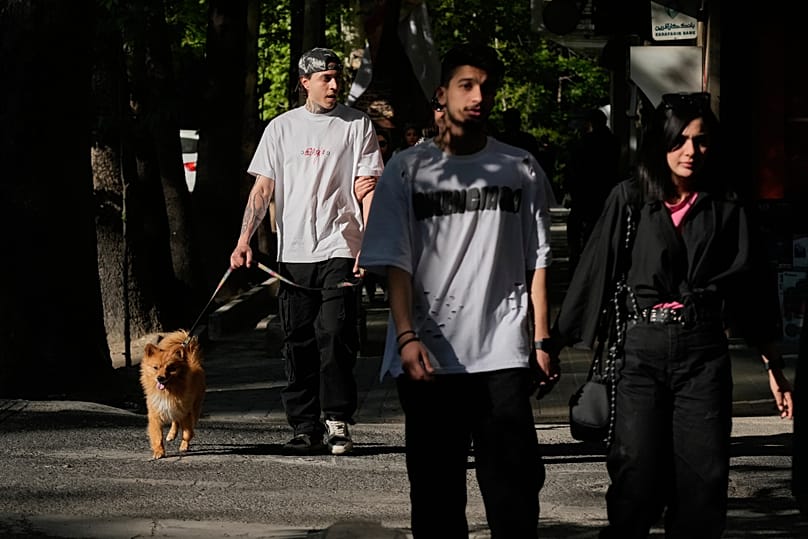
Mohammad, 39, a mountaineer, said he had supported a limited war before it started. "It didn't go far enough, and it didn't achieve the expected result, but it was still better than nothing. I think it partly avenged those killed in the January protests. The Leader and senior officials involved in the killings paid a price."
On the question of whether he wants war again, he said, "I want this regime gone, either by people or by war."
"But if revolution is impossible, then only if war is guaranteed to bring it down. Otherwise people may turn against it. If the US has a clear plan, I support war — but not without a clear objective."
"About 70% of people support war because they cannot fight this regime empty-handed," said Mohsen, 37, a shop owner in Karaj. "This war was about 40% useful. The rest must be done by the people. I want war again, but better planned."
Changing their minds
Not everyone who supported the war at the start still holds that view.
Yeganeh, 46, a Tehran resident, said she had wanted the war to happen. "I was pro-war, but I didn't think it would be so intense and that so many people would be killed," she told Euronews.
I think eliminating the regime's leaders actually strengthened the Islamic Republic because in the minds of its supporters it turned them into superhuman figures."
"Getting rid of the (Supreme) Leader (Ali Khamenei) did not work out well for Iran's future, because his son replaced him. Nothing really changed," she said.
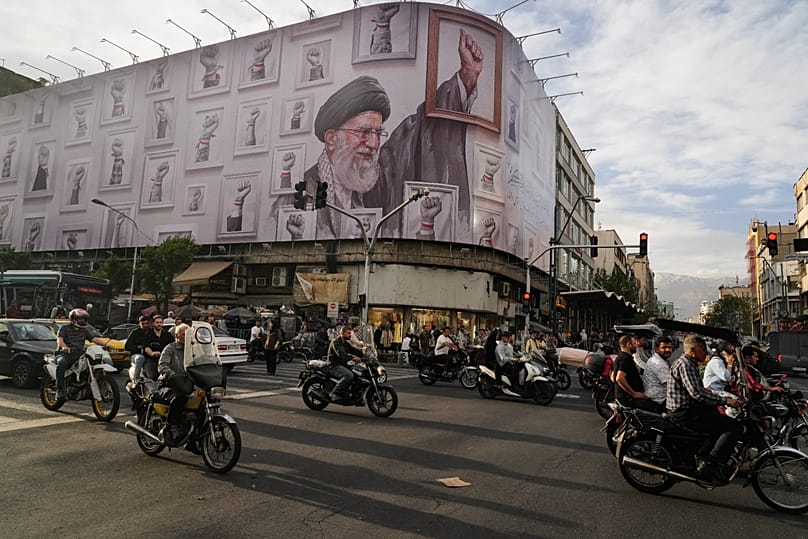
Fatemeh, 50, a driver in Kerman, said the rising prices of the past year had convinced her that war might bring change. It no longer does.
"I'm a single mother with two children. The three of us work, but even so, as the old saying goes, we always owe tomorrow's money to today. I don't think war will create a better future for us," Fatemeh told Euronews.
Those who opposed the war from the start
Leila, 43, a translator in Tehran, said she had opposed the strikes from the beginning. "An attack on Iranian soil has always been my red line," she told Euronews.
" My family and close friends are reformists and oppose war. War is generally destructive, especially when it leads to mass casualties and the destruction of infrastructure."
Yet the war with the US and Israel awoke nationalist sentiment — shared across Iran's political spectrum — often adopts the same vocabulary as regime propaganda, even among those who oppose the Islamic Republic.
"When the Islamic Republic stands up to the world's dominant power for about two months and even forces the United States to accept part of its demands, to agree to a ceasefire and, more importantly, to watch its economy affected, that shows it has deterrent power," Laila said.
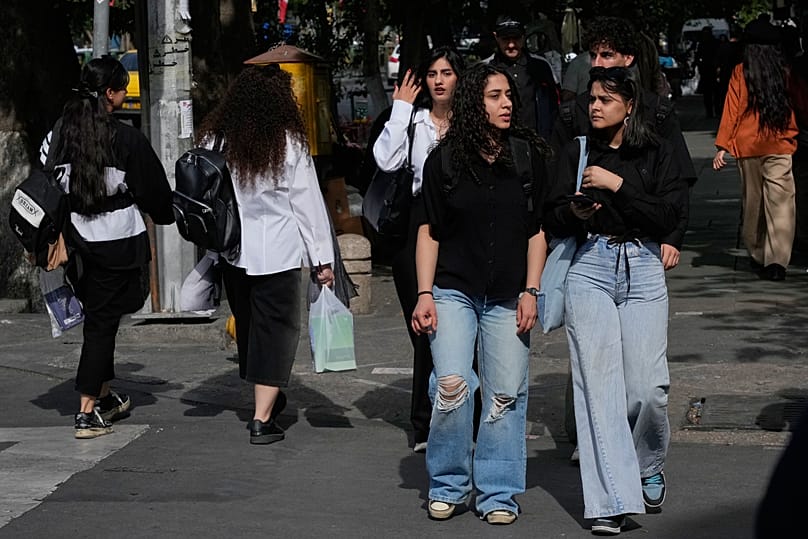
Parviz, 24, who runs a kiosk between Tehran and Karaj, said opinion among those around him had been evenly split before the war started.
"I myself was against war because war is harsh and bad. Innocent people get killed in war, and in large numbers. I am not saying that everything in our country is rosy. We have lots of problems. But war is not a good thing," Parviz told Euronews.
"I don't think any sane person is in favour of war, because war leaves behind nothing but destruction, and the consequences and costs fall on people's shoulders," said Soroush, 35, a restaurant owner in Tehran.
"I am not happy with this regime, but I am not prepared to accept a war just so the Islamic Republic falls. War will only make our situation worse. I wish the Islamic Republic could solve its problems from within and that we wouldn't end up in a situation where some people sit waiting for war."
He added that he had watched opinion shift around him in real time. "Last winter, among the people I knew and saw, support for war was about 50–50. But now that we have lived through forty days of war, most of those who were in favour have turned against it."
"They pray day and night for an agreement and peace, so they can go back to their pre-war lives. Those 50% who supported war are now down to about 30% or 20%."
Monir, 44, a lawyer from Tabriz, said the war had only deepened her opposition. "I do not accept the idea of war as a means of regime change or any form of reform, and I oppose foreign intervention in Iran's internal affairs."
"Given the choice between the Islamic Republic and a secular political system, I prefer the latter, but I do not want regime change to come through war, because then you feel the next government will pursue the foreign power's agenda more than it will care about people's welfare. Iran's independence is very important to me," Monir said.
On how opinion had moved around her, she said, "Among my close relatives, no one wanted a war to break out. But because the war came after the events of January, you did hear people saying it was good the attack happened, that this and that would now follow and that nothing would be left of the regime, and so on."
"But when the war dragged on and turned into a war of attrition, even those people, who in my view were not in the majority, were no longer such firm advocates of continuing the strikes."
The protests and the war
Ahmad, 56, in Tehran, took part in the January protests and supports the war. "Weren't huge numbers of civilians killed in last January's protests or in 2022?" he said.
"Back then, were American and Israeli planes bombing Iran and killing all those civilians? Were Mahsa, Nika, Sarina and all those girls and young women killed by the Americans? Those young people executed in recent weeks — weren't they civilians?" he asked.
"As long as this regime remains, every so often we will see protesters massacred."
Seyyed, 72, a south Tehran resident who said he had abandoned religion because of the Islamic Republic's conduct, supports the war and hopes it resumes. "This regime has created a situation that is rare in the world," he said.
"In which country have the leader and other top officials ordered the security forces to mow down their own people like that? All those bodies we saw last January were this country's capital. Those young people didn't just spring up out of nowhere."
"They had parents, homes and lives. Their parents had worked so hard to raise them, and then the regime comes and guns them all down? If the Islamic Republic stays, this nation's fate is sealed. It will once again gun down its young people."
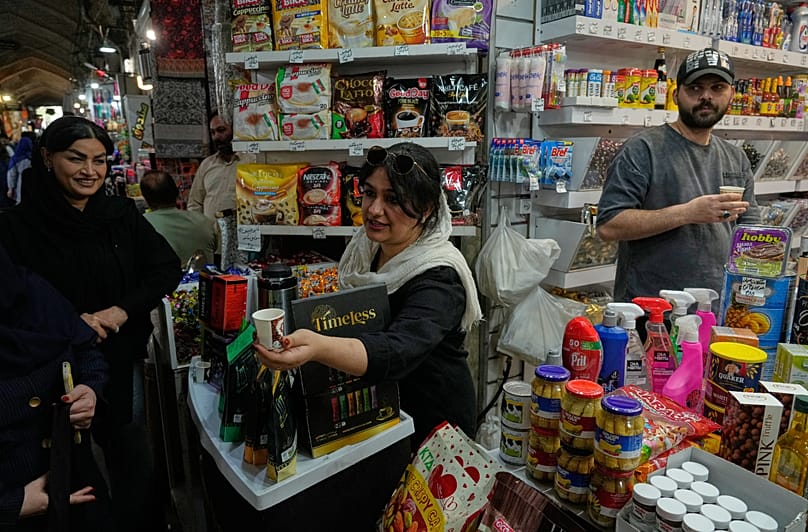
Mohsen, a shop owner, acknowledged that civilian deaths in the war involved US and Israeli actions as well as Iranian negligence. "Yes, civilians do get killed in war. Some of that is down to people's own inattention and some to the officials' negligence."
"When there is a military attack, in Israel everyone goes into shelters, but Iranians calmly go about their work. There are no shelters, no sirens, no warnings," he explained.
"In Bidganeh, in one of the strikes, not a single member of a six-person family survived. Nothing was left of those six people, because the authorities gave no warning and the family themselves ignored the Israeli warnings."
"The authorities constantly talk about the war dead so that people forget all those killed in last year's protests."
"Those 40,000 people killed in January were — excuse my language — like dental floss to this regime. Even if 40 million were killed, they would still carry on on the same path. Those 40,000 people simply did not matter to them," he added.
Families divided
Despite official claims that the war produced national unity, interviews reveal it has opened rifts within families — not only between regime supporters and opponents, but among opponents themselves, divided over whether war was ever justified.
Mojgan and Marzieh, cousins from Shahroud and both teachers in their mid-40s, are on opposite sides of the argument.
Mojgan said she supports military strikes against the Islamic Republic, while Marzieh and her brothers oppose them. Mojgan said her cousins were defending the religious system they preferred while claiming to be defending Iran.
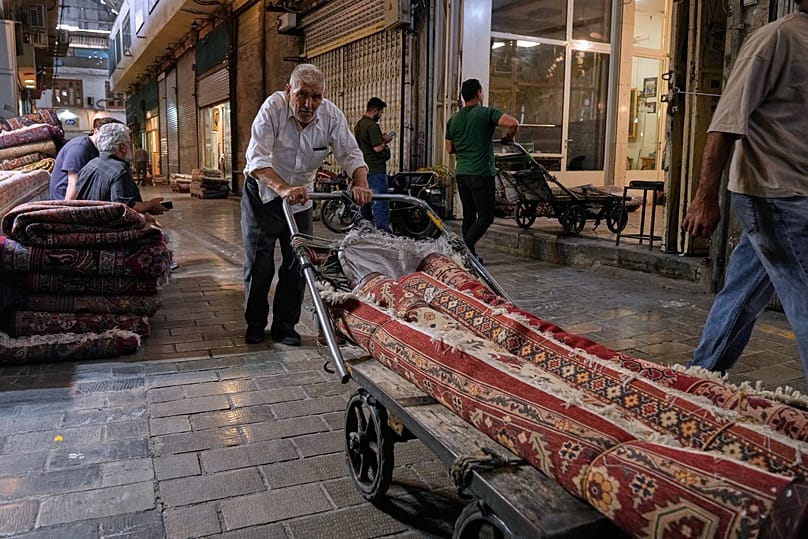
Mostafa, 30, from Damghan, supports the Islamic Republic despite dissatisfaction with the economy and his own living conditions. He said he had argued with relatives about the war but tried to avoid prolonged conflict.
"Those who defend the war have lost their minds on Instagram and in front of the satellite channels broadcasting in Persian from abroad," Mostafa said. "Otherwise no rational person would defend a military attack on their own country."
His sister Zahra, 25, a beautician, strongly disagreed. "He always takes the regime's side," she said. "Last January he also backed the authorities, and whatever terrible thing happens in this country, no matter how harmful and oppressive the regime's behaviour, Ali still thinks the Islamic Republic must stay."
How the war changed daily life
Most interviewees agreed on two consequences of the war: internet shutdowns and severe economic deterioration. They diverged on how directly they were affected by the strikes themselves.
"Internet shutdowns disrupted things for me because I need international internet. My work basically came to a halt," said Leila, the translator.
"Inflation is higher than ever and you can really feel it. But we did not suffer shortages of fuel, energy or municipal services, thank God. We did, however, become displaced," she explained.
"We were forced to leave Tehran and go north. On top of that, as a pet owner, the war caused me a lot of anxiety and distress because I was not prepared for such a crisis."
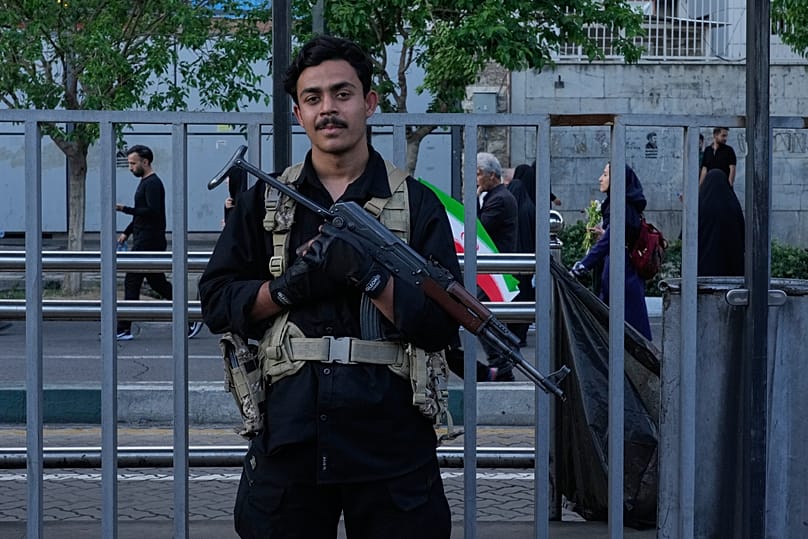
Soroush, the restaurant owner, described the economic damage in detail. "The war had a very bad impact on my work. My income has dropped sharply."
"They hit the petrochemical plant and there's a shortage of plastic, and the price of the soft drinks we serve with meals has soared. A small bottle of cola now costs 50,000 tomans (€0,60)."
"Prices have gone up on the one hand, and on the other people's pockets are empty because they fled their cities and went to smaller towns, villages or the north. They've spent their savings and have now returned home with lots of debt. They have to pay those debts back over time. Most people are under financial strain," Soroush explained.
'High prices rather than war'
Few of those interviewed expected the current ceasefire to hold indefinitely. Most assumed the conflict could resume.
Mehdi, the publisher, said hardline control within the IRGC made any lasting compromise unlikely, and believed the Islamic Republic could collapse before Trump's term ends if the US escalates attacks on infrastructure.
Leila expected a fragile ceasefire rather than lasting peace, and saw no prospect of improvement in governance, the economy or social freedoms given hardline dominance inside the system.
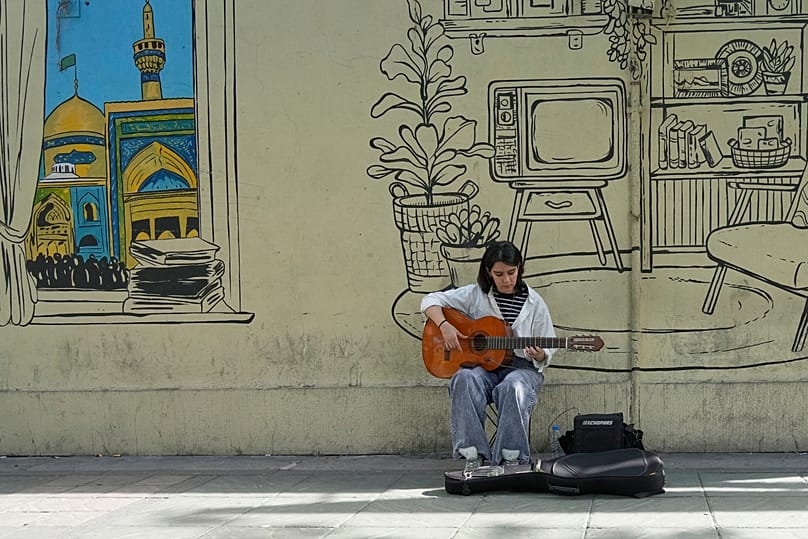
Mohsen expected renewed war and believed the regime would be gradually weakened through further losses of senior officials.
Mohammad was the most decisive, predicting regime collapse or significant weakening before US President Donald Trump leaves office. He said future protests might be met with less violence after the lessons of the war and January.
Some were clear in their message that they were tired of war, regardless of its outcome.
"I don't want another war, because I no longer have the strength to live through those days again. I would rather struggle with high prices than go through war," Yeganeh concluded.