














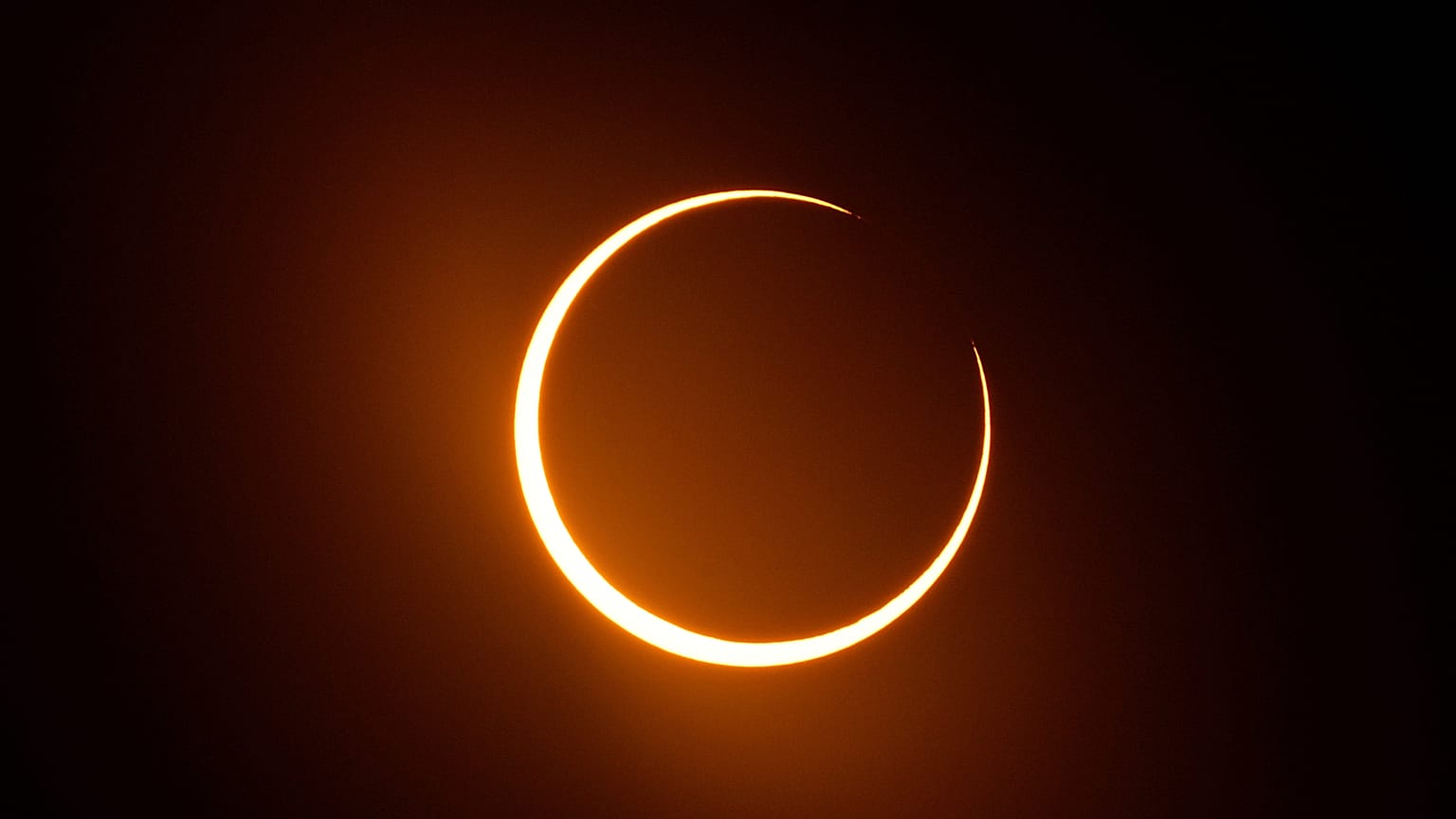













The astronomical phenomenon is already having an impact on tourism in the areas within the band of totality.
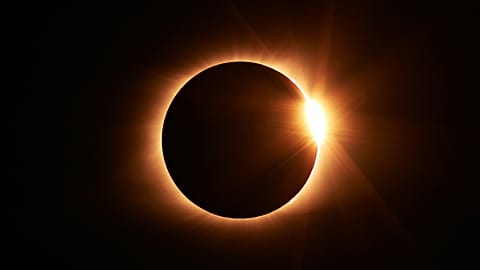
On 12 August 2026, much of the world will experience one of the most spectacular astronomical phenomena of the century: a total solar eclipse that will cross the country from west to east at sunset. It will be the first time in more than a century that the totality of the eclipse can be observed from Spain, which has aroused enormous scientific and tourist interest.
 ADVERTISEMENT
ADVERTISEMENT
ADVERTISEMENT
The event will take place in the late afternoon and will reach its maximum at around 20:30, with totality lasting around two minutes depending on the location.
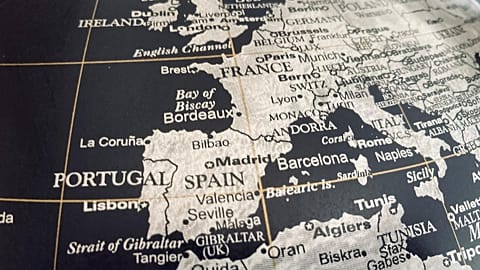
The totality strip will cross Spain from the Atlantic coast to the Mediterranean, passing through cities such as A Coruña, Oviedo, León, Bilbao, Zaragoza, Valencia or Palma, where the Sun will be completely hidden for a few moments.
Galicia and the Bay of Biscay: the first to see the eclipse
The first Spanish regions to experience totality will be Galicia and the Cantabrian coast, according to experts. Their coasts offer wide horizons over the Atlantic, ideal for observing the phenomenon as the sun begins to set.
Recommended spots include Llas beach (Lugo), the Punta Roncadoira lighthouse, and the famous Cathedrals beach, where the eclipse will reach its maximum point at around 20:29. Cities such as A Coruña, Oviedo, Santander and Bilbao are also within the totality band, making them privileged places to witness the event.
Inland north: clearer skies
Further inland, experts recommend areas with low light pollution and clear skies, such as the Babia Biosphere Reserve (León), the Picos de Europa and the Ebro Valley.
In Navarre and Aragon, the almost desert-like landscape of the Bardenas Reales stands out, considered one of the best places to enjoy the eclipse due to its wide horizon and clear skies. In addition, cities such as León, Burgos and Zaragoza offer good meteorological probabilities and will be directly in the path of the eclipse.
Mediterranean and Balearic Islands: the end of the show
The path will end in the Mediterranean, where the eclipse will be seen just before sunset. Locations such as Castellón, Valencia and Palma de Mallorca will be some of the last places in the country to observe totality.
In these areas, open spaces such as the Albufera de Valencia or the Mallorcan coast will allow the eclipse to be seen against the backdrop of the sea, one of the most spectacular images that this phenomenon can offer.
A phenomenon that will attract mass tourism
The eclipse is already causing a sharp increase in tourist bookings in the areas located in its path. In some northern towns, the price of accommodation has multiplied or even tripled in view of the expected avalanche of visitors.
Experts recommend choosing places with a clear western horizon, away from buildings or mountains that could hide the Sun at the key moment, as the phenomenon will occur with the star very low over the horizon. If the weather is good, the evening of 12 August 2026 could become one of the most memorable natural spectacles to be seen in Spain in decades.