

















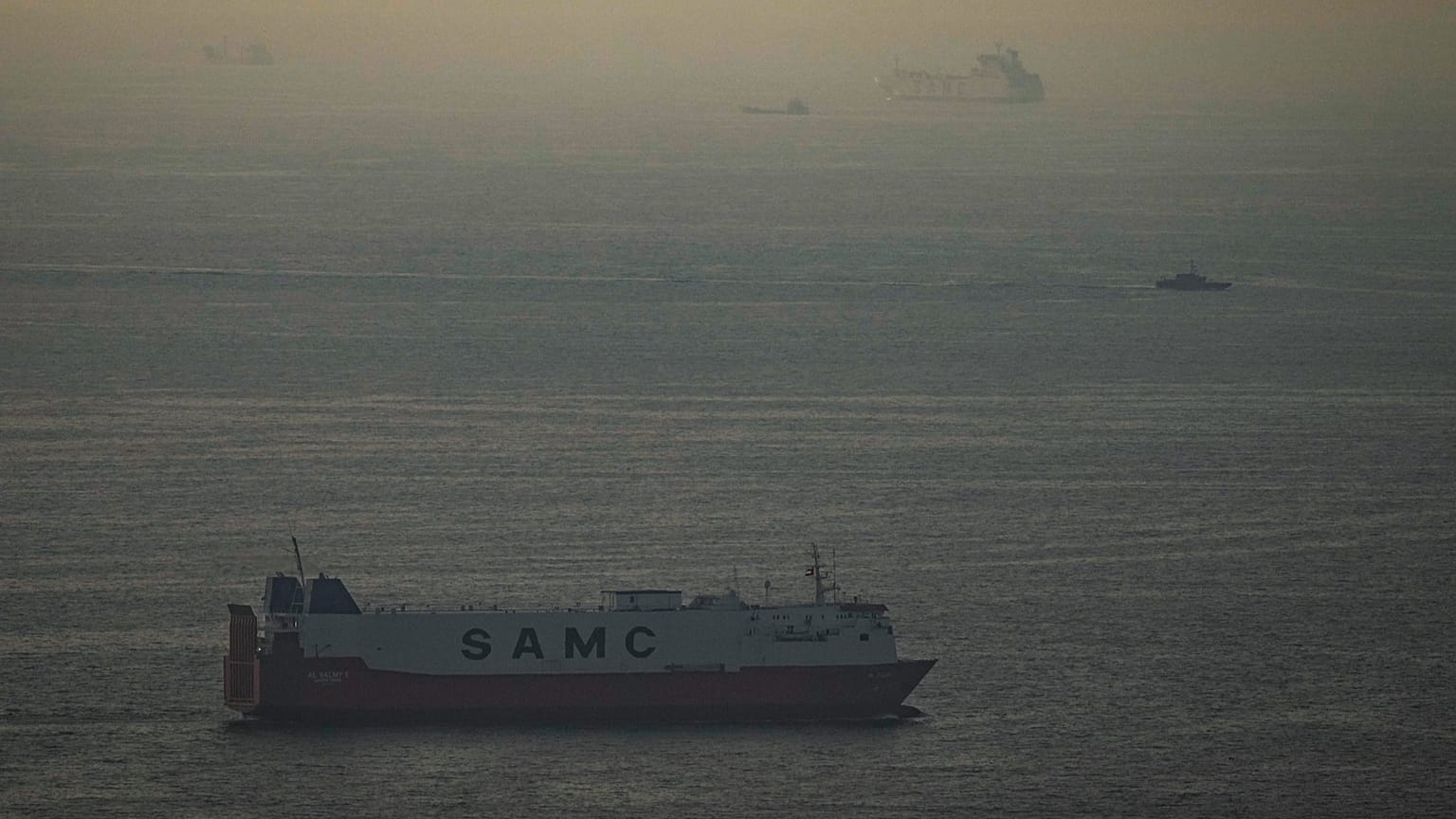













US President Donald Trump said it would 'obliterate' Iran's power plants if it did not reopen the Strait of Hormuz in 48 hours. Iran threatened retaliation on US and Israeli energy infrastructure if its own became targeted.
Iran threatened on Sunday to retaliate if its energy facilities came under attack, warning that it would attack US and Israeli energy infrastructure in return, according to state media citing an Iranian military spokesperson.
 ADVERTISEMENT
ADVERTISEMENT
ADVERTISEMENT
It comes after US President Donald Trump issued a 48-hour ultimatum for Iran to fully reopen the Strait of Hormuz, threatening to "obliterate" its power plants if Tehran does not do so.
"Within 48 HOURS from this exact point in time, the United States of America will hit and obliterate their various POWER PLANTS, STARTING WITH THE BIGGEST ONE FIRST," he wrote on his social media platform Truth Social.
In response to the statement, Iranian representative to the UN's International Maritime Organisation (IMO) Ali Mousavi claimed the waterway remained open, except for "Iran's enemies, and that passage through the waterway was possible by coordinating security and safety arrangements with Tehran, several media reported.
Trump's latest post comes just a day after he said he was considering “winding down” military operations in the region, even as the United States deployed more troops and warships to the region, sending mixed signals.
Attacks on commercial ships travelling through the Strait of Hormuz—a crucial corridor for the transport of the world's oil—and threats for further attacks have stopped nearly all tankers through the passage. Lying between the Persian Gulf and the Gulf of Oman, around 20% of the world's oil trade normally passes through the strait.
The latest development indicates the US-Israeli war on Iran, which has entered its fourth week, currently shows no signs of de-escalating.
Late on Saturday, Tehran carried out an attack on the southern Israeli towns of Dimona and Arad, which are close to the Negev nuclear research centre.
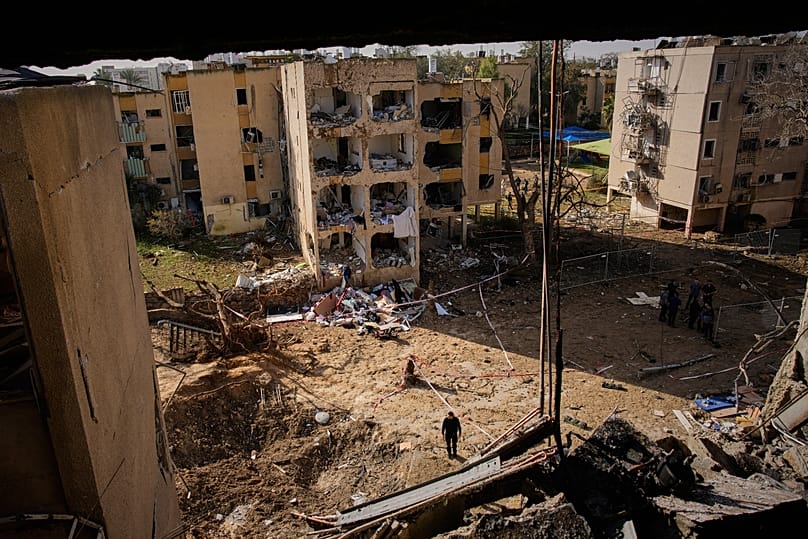
“If the Israeli regime is unable to intercept missiles in the heavily protected Dimona area, it is, operationally, a sign of entering a new phase of the battle,” Iran’s Parliament Speaker Mohammad Bagher Ghalibaf said on X before word of the Arad strike spread.
Israel is believed to possess nuclear weapons, but it will neither confirm of deny their existence.
Tehran claimed the attack came in retaliation for an earlier strike on Iran's nuclear Natanz facility, which Israel denies responsibility for.
The UN's nuclear watchdog had reported there had been no indication of radiation leakage, but called for "military restraint to avoid any risk of a nuclear accident".
Washington refused to comment on the strike on Natanz, which was also struck during the 12-day war in June.