




























Eurozone inflation rose to 2.9% in July, but price pressures varied widely across member states. Here's where inflation accelerated, eased and how markets reacted.
Europe's inflation slowdown proved short-lived.
 ADVERTISEMENT
ADVERTISEMENT
ADVERTISEMENT
After easing in June, consumer price growth in the eurozone accelerated again in July as the renewed conflict in the Middle East drove energy costs higher.
Eurostat's flash estimate showed that annual consumer price inflation across the bloc rose to 2.9% in July, up from 2.8% in June and in line with economists' expectations.
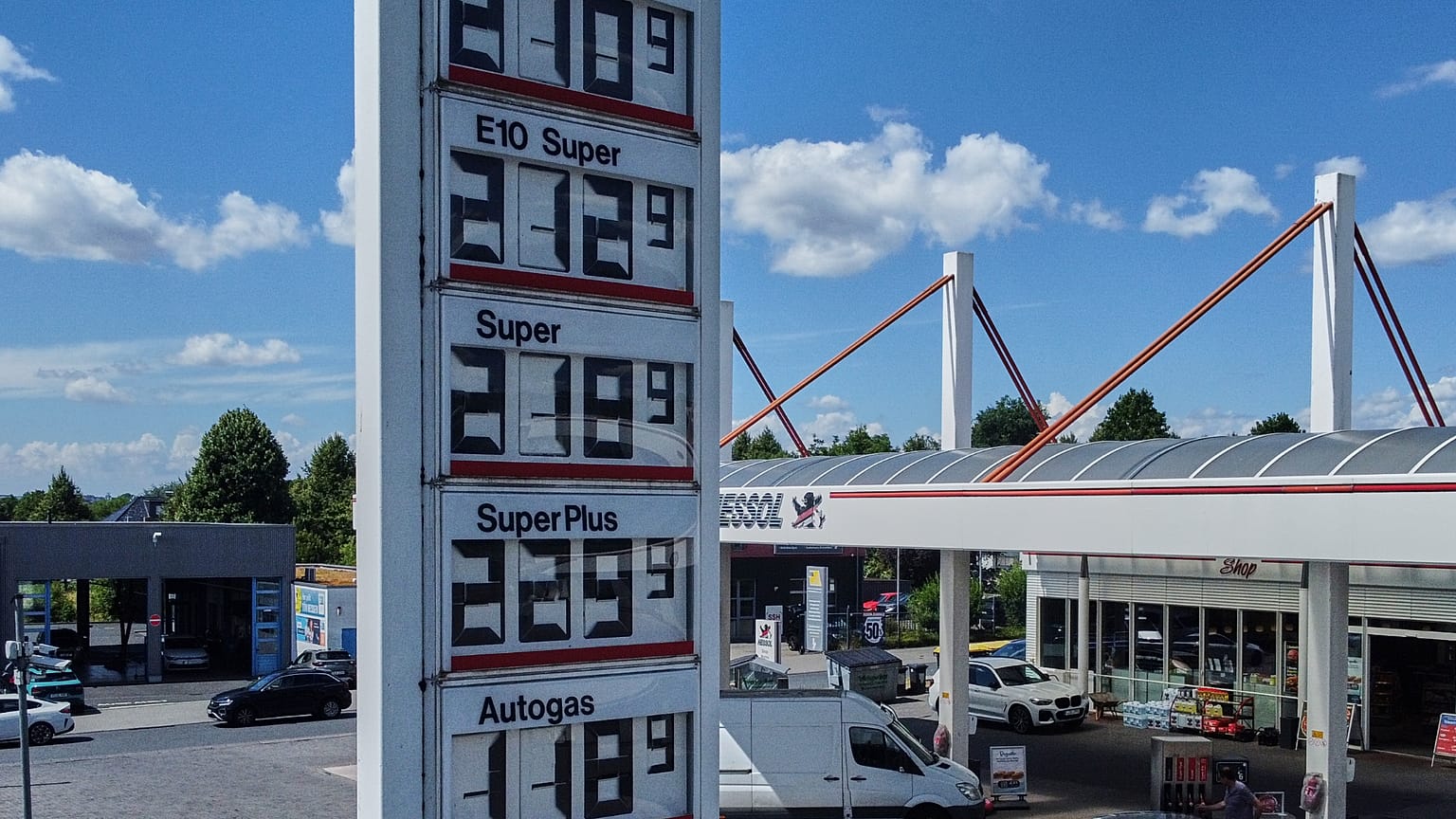
Core inflation, which strips out volatile food and energy prices, also ticked higher to 2.5%, from 2.4%. Energy recorded the highest annual jump, with prices rising 10% year-on-year, followed by services, up 3.3%.
That came just one day after eurozone GDP unexpectedly accelerated in the second quarter, reinforcing the view that Europe's economy remains far more resilient than many had feared.
But beneath the headline, inflation trends varied sharply across the eurozone, with some countries seeing price pressures intensify while others experienced a notable slowdown.
Lithuania remained an inflation hotspot
Lithuania recorded the highest inflation rate in the eurozone in July at 5.6%, followed by Bulgaria (4.1%), Cyprus (4.0%), Spain (3.8%) and Croatia (3.6%).
At the opposite end of the spectrum, Estonia reported the lowest annual inflation rate at 2.0%, ahead of Malta (2.1%), France (2.4%), Latvia (2.5%), Austria (2.6%) and Finland (2.6%).
Germany, the bloc's largest economy, saw inflation accelerate to 2.8%, while Italy matched the eurozone average at 2.9%.
"We think headline inflation will remain sticky at just above 2.5% for the Eurozone," Pantheon Economics' economist Claus Vistesen commented on the data.
The firm expects the European Central Bank to deliver another 25-basis-point rate hike before pausing.
Where inflation accelerated and where it eased
Compared with June, inflationary pressures evolved in very different directions across the bloc.
The sharpest monthly increase was recorded in the Netherlands, where consumer prices rose 1.5% from June, followed by Germany (+0.9%), France (+0.6%), Croatia (+0.6%), Malta (+0.6%), Estonia (+0.5%) and Bulgaria (+0.4%).
By contrast, prices fell most sharply in Greece (-1.4%), followed by Italy (-1.0%), Latvia (-0.7%), Belgium (-0.6%), Luxembourg (-0.6%), Austria (-0.4%), Portugal (-0.3%) and Slovenia (-0.3%).
"The ongoing conflict and a spike in energy costs remain key risks to growth, given that the Eurozone is a net importer of energy," said Matthew Ryan, head of market strategy at global financial services firm Ebury.
"While oil prices have eased from their highs, they remain elevated, and the rise in natural gas prices to multi-year highs is adding to concerns," he added.
Markets remain in "risk-on" mode
Risk appetite remained strong across markets following Wall Street's powerful rally the previous session, when Microsoft surged 15% after blowout quarterly earnings, marking its strongest single-day gain since 2008.
The euro strengthened modestly against the US dollar to 1.1520 immediately after the inflation figures, while European equities extended Thursday's rally.
Germany's DAX 40 climbed about 0.8% to a fresh record high above 25,800, the Euro Stoxx 50 gained more than 1% to an all-time high, France's CAC 40 advanced around 0.9%, and Italy's FTSE MIB outperformed with a gain approaching 1%.
Technology shares again led the advance.
Infineon Technologies jumped more than 6%, extending the AI-driven rebound across global semiconductor stocks. STMicroelectronics gained more than 4%, while Siemens Energy climbed around 3.5%.
Corporate earnings continued to reinforce sentiment.
Saint-Gobain rallied after reporting stronger second-quarter sales growth. NatWest advanced following a 29% jump in pre-tax profit, while Engie and Crédit Agricole also traded higher after better-than-expected results.