





























As the Iran war enters its third week, the United Arab Emirates is sending a clear message to European governments and citizens: stability in the region is closely tied to Europe’s own economic and security interests.
The Gulf has long been a critical partner for Europe in energy markets, trade and global shipping routes.
 ADVERTISEMENT
ADVERTISEMENT
ADVERTISEMENT
With tensions rising around the Strait of Hormuz and Iran's missile and drone attacks targeting the region, officials in Abu Dhabi say cooperation with European partners has become even more important.
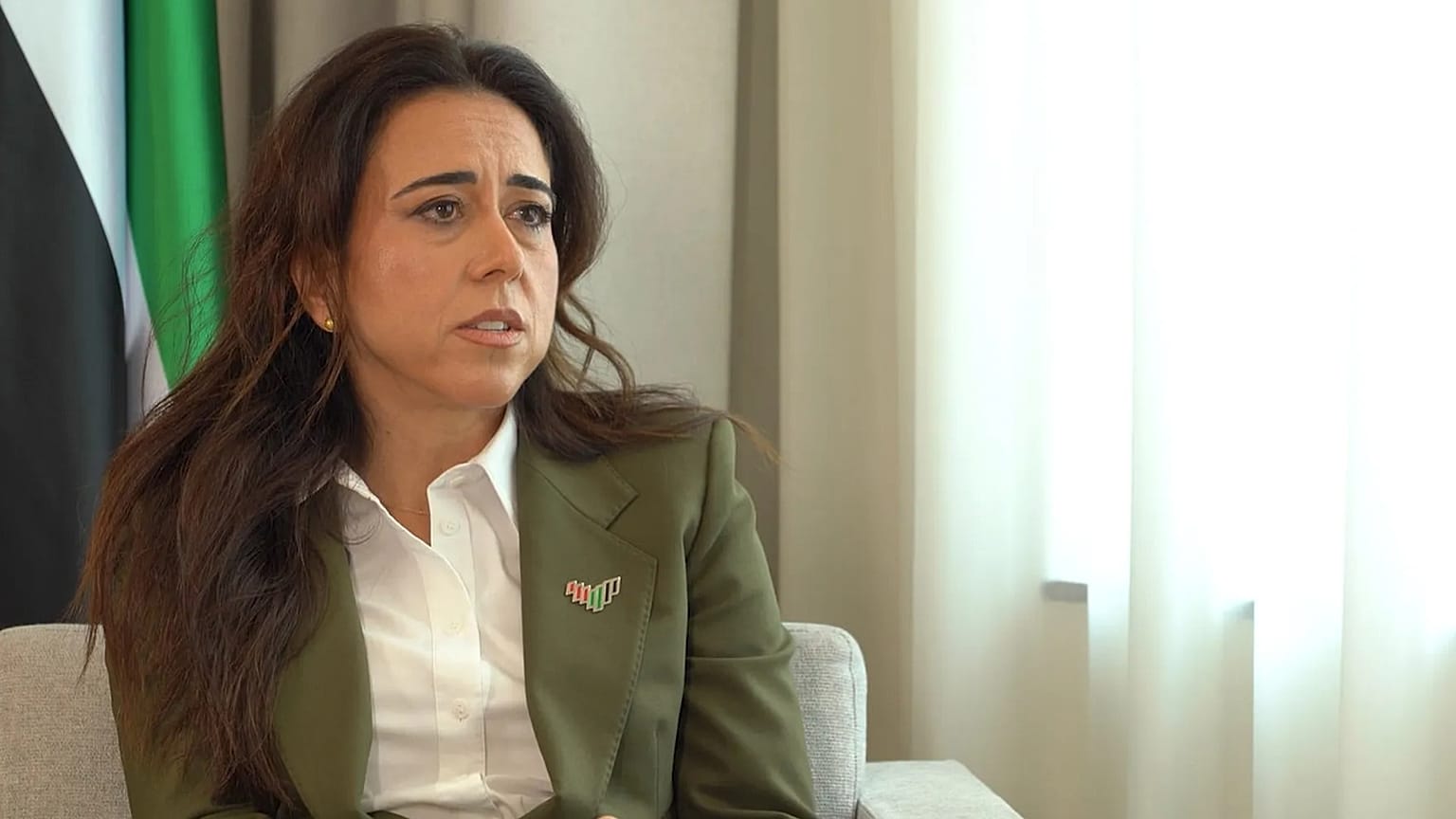
Speaking to Euronews, UAE Minister of State at the Ministry of Foreign Affairs Lana Nusseibeh said European governments have been among the most engaged international partners since the crisis began.
“We've been in frequent contact with different governments around the world since this has started, but I would say the Europeans have been incredibly supportive,” she said.
According to Nusseibeh, that support reflects long-standing political and economic relationships between the UAE and Europe.
“Our trade ties with Europe at €65 billion a year are a robust signal that we are also open for investment,” she said.
Those ties are not only economic. More than half a million Europeans live and work in the UAE, making the crisis particularly relevant for European audiences.
“We take the safety and security of the 500,000 European residents who reside here incredibly seriously,” Nusseibeh said.
European leaders have been closely engaged with the UAE leadership during the crisis. Diplomatic contacts have taken place at multiple levels, reflecting concern in European capitals about the broader implications of instability in the Gulf.
The region plays a critical role in global energy flows and maritime trade, making disruption likely to have far-reaching consequences for European economies.
Nusseibeh said the UAE views its partnership with Europe as central to maintaining stability.
“We are definitely doubling down on our engagement with Europe,” she said.
But she also framed the conflict as something larger than a bilateral relationship.
“What you are defending here is not only the UAE,” Nusseibeh said. “What you are defending here is a model.”
“It's a model of coexistence, of tolerance, of peace for the wider region," she pointed out.
For European governments watching events unfold in the Gulf, the crisis highlights how closely regional stability is tied to global economic security.
Energy flows, shipping lanes, and supply chains all pass through a region at the crossroads of international commerce.
For European governments watching events unfold in the Gulf, the crisis underscores how closely regional stability, energy markets and global trade routes are interconnected.