





























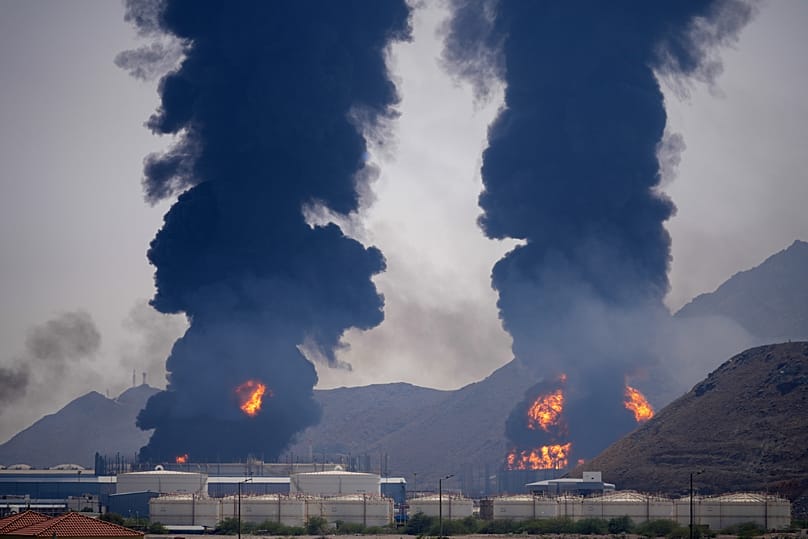
Bahrain, Saudi Arabia and the UAE warned people that they were working to intercept incoming projectiles, a day after Iran called for port evacuations, threatening for the first time a neighbouring country’s non-US assets.
Gulf states reported new missile and drone attacks on Sunday after Tehran threatened to widen its campaign and called for the evacuation of three major ports in the United Arab Emirates.
 ADVERTISEMENT
ADVERTISEMENT
ADVERTISEMENT
Bahrain, Saudi Arabia and the UAE warned people that they were working to intercept incoming projectiles, a day after Iran called for the port evacuations, threatening for the first time a neighbouring country’s non-US assets.
Saudi Arabia’s Defence Ministry said its systems intercepted and destroyed 10 drones over the capital, Riyadh, and the kingdom’s eastern region.
Bahrain said it had intercepted 125 missiles and 203 drones since the start of Iran's attacks, which have killed two people in the kingdom and 24 others in neighbouring Gulf nations.
The Formula One races scheduled for April in Bahrain and Saudi Arabia have been cancelled due to the conflict, motorsport's governing body announced.
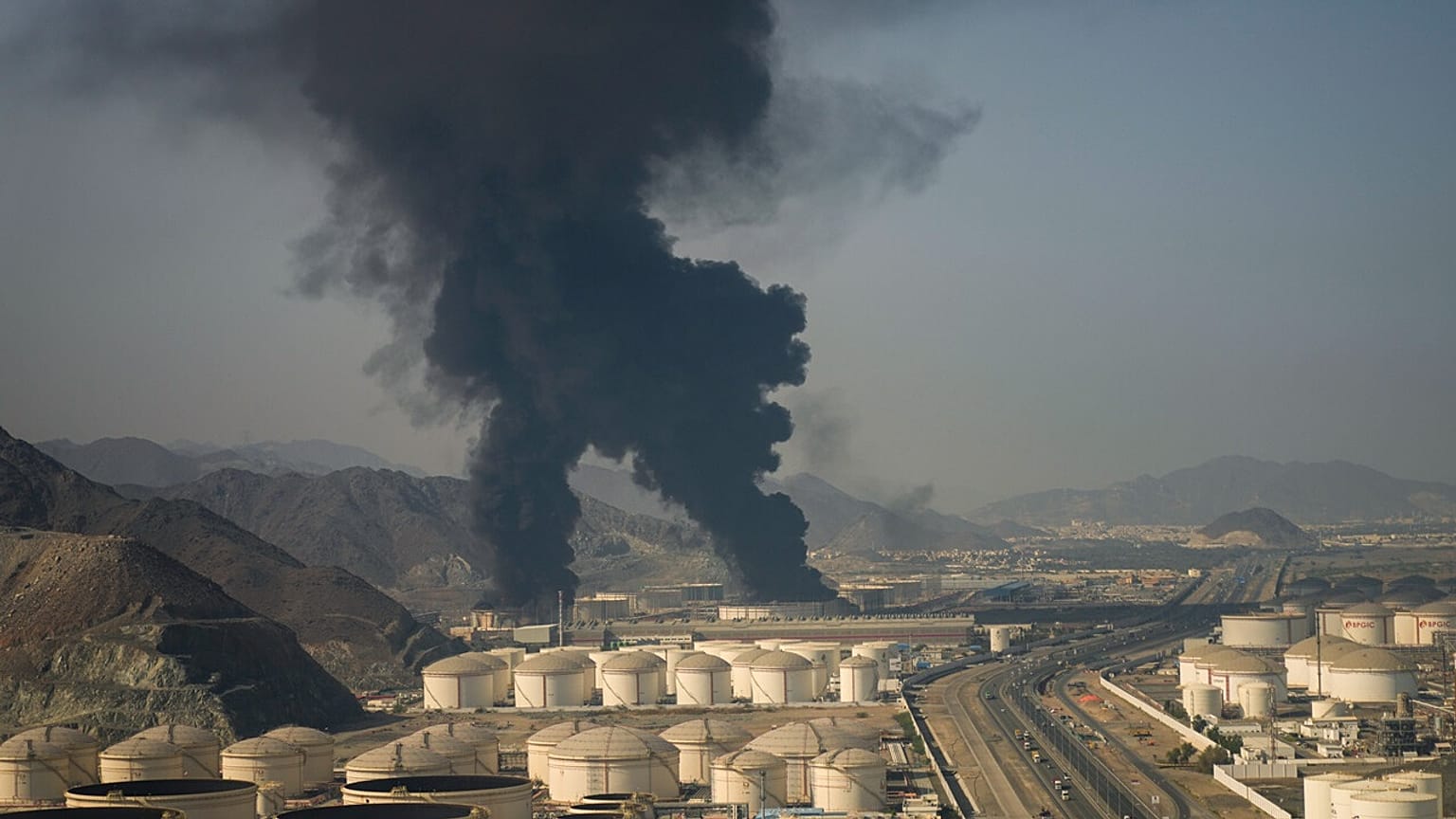
On Saturday, smoke was seen rising from the direction of a major UAE energy installation hours after the US struck Kharg Island. Local authorities, in a statement, said debris that fell after a successful drone interception had caused a fire, without specifying the location.
Iran had accused the United States of using “ports, docks and hideouts” in the UAE to launch strikes on Kharg Island, home to the main terminal handling Iran’s oil exports, without providing evidence.
The UAE and other Gulf countries that host US bases have denied allowing their land or airspace to be used for military operations against Iran.
“This reflects a confused policy that missed the point, lost its direction, and lacked wisdom,” Anwar Gargash, adviser to the president of the United Arab Emirates, wrote on social media late Saturday.
Trump urges US allies to send warships to Strait of Hormuz
As global anxiety soars over oil prices and supplies, US President Donald Trump said on Saturday that he hopes China, France, Japan, South Korea, the UK and others will send warships to keep the Strait of Hormuz “open and safe.” Britain in response said it was discussing with allies a “range of options” to secure shipping.
Iran's Foreign Minister Abbas Araghchi in a social media post urged neighbors to “expel foreign aggressors” and described Trump’s call as “begging.”
On Saturday, Iran’s joint military command reiterated its threat to attack US-linked “oil, economic and energy infrastructures” in the region if the Islamic Republic’s oil infrastructure is hit.
Meanwhile, air raids sounded over Israel and Iran overnight as the two countries continue to trade strikes, while direct clashes between Israel and Hezbollah were reported in Lebanon.
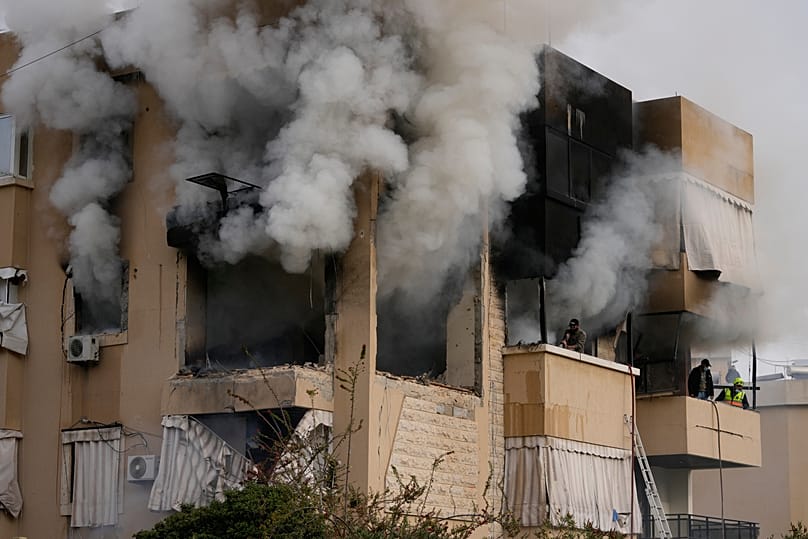
Despite sustaining heavy bombardments since US-Israeli forces launched a war against Iran on February 28, Tehran has defied Trump's assertion that its military capability has been "100%" destroyed.
Iran's attacks and threats have nearly halted shipping in the Strait of Hormuz, sending petroleum prices soaring 40 percent and roiling the global economy.
More than 1,200 people have been killed by US and Israeli strikes, according to Iranian health ministry figures that could not be independently verified.
The US military has lost 13 personnel. They include six aboard a refuelling aircraft that crashed in Iraq, an incident US officials said was not the result of hostile or friendly fire.
The UN refugee agency says up to 3.2 million people have been displaced in Iran, most of them fleeing the capital and other cities to seek safety.
The Pentagon says more than 15,000 targets in Iran have been hit by US and Israeli forces.
US media reported that the Pentagon has dispatched the amphibious assault ship USS Tripoli and around 2,500 Marines to the region.