




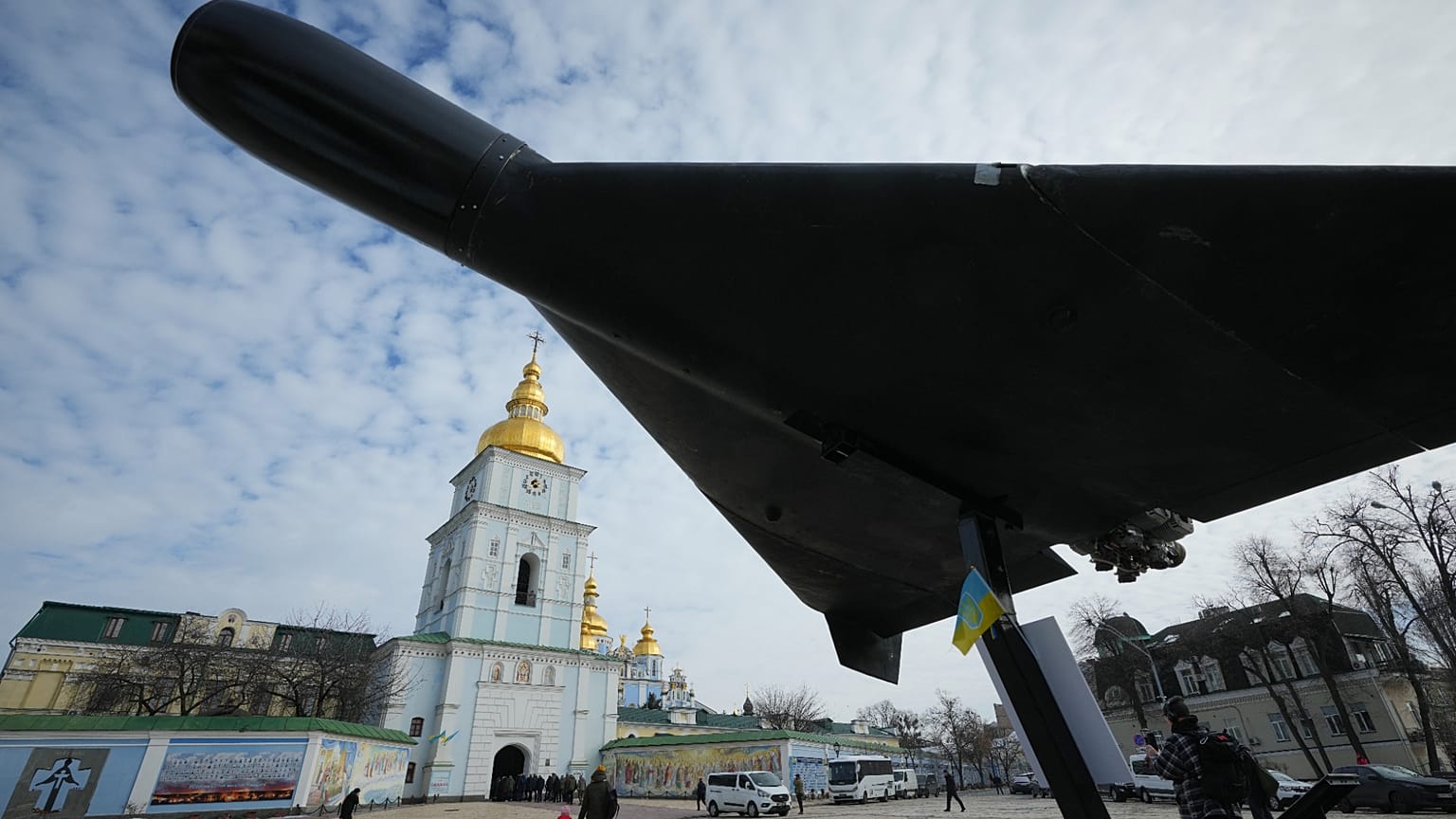













Kyiv is reviewing official requests from countries neighbouring Iran, as well as from the US and European countries, which are now asking Ukraine for help with anti-drone air defence.
Eleven countries have requested Kyiv’s help in countering Shahed-type drones amid the Iran war and Tehran's ongoing attacks against the Gulf states, Ukrainian President Volodymyr Zelenskyy said Monday.
 ADVERTISEMENT
ADVERTISEMENT
ADVERTISEMENT
“As of now, there are 11 requests from countries neighbouring Iran, European states, and the US”, Zelenskyy said.
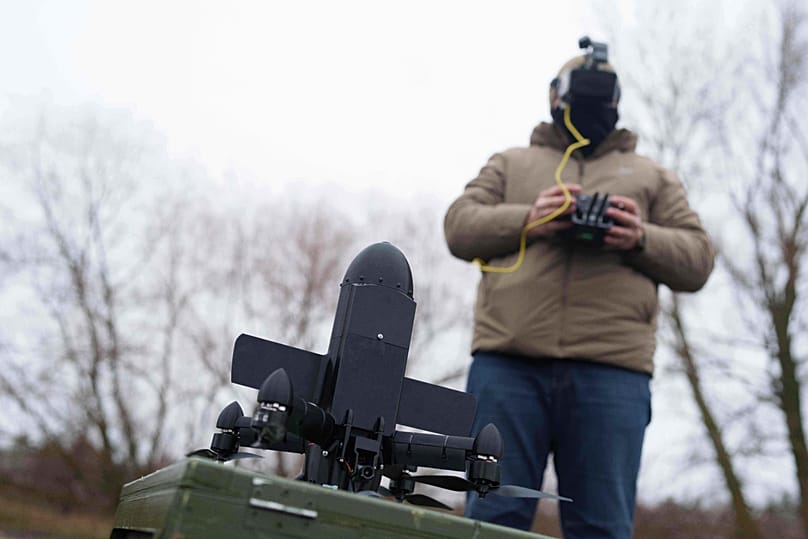
“There is clear interest in Ukraine’s experience in protecting lives, relevant interceptors, electronic warfare systems, and training,” he added.
Zelenskyy said that Kyiv has reviewed in detail all the requests for “security support from our side in countering “shahed” drones and other similar challenges”.
He explained that Ukraine is willing to help, but only those who help Kyiv “protect the lives of Ukrainians and the independence of Ukraine.”
“Some requests have already been met with concrete decisions and specific support," Zelenskyy said.
He did not specify which countries would not get Ukraine’s assistance in drone warfare.
Another aspect for Kyiv when it comes to providing help to other countries is making sure that its own air defence remains intact and strong enough.
“Ukraine has long proposed that partners upgrade and strengthen joint capabilities to protect lives," Zelenskyy said.
"We have spoken about joint defence against drones and missiles, as well as about destroying the relevant production facilities of aggressor regimes – weapons production used in attacks, including those happening now.”
Zelenskyy earlier stated that Kyiv has already deployed interceptor drones and a team of specialists to help protect US military bases in Jordan. Following the official request from Washington last Thursday, he said Ukraine agreed “immediately” and dispatched the team the next day.
Iran-Russia military cooperation
Iran has been one of Russia’s closest allies since the beginning of Moscow’s all-out war against Ukraine in early 2022.
Tehran first supplied Russia with Shahed-type drones to attack Ukraine, and later shared the technology, allowing Moscow to set up production domestically.
“Every 'Shahed' production site is known,” Zelenskyy said on Monday, adding that now, after Moscow’s full-scale invasion entered its fifth year, Russia is returning the favour by supplying domestically made UAV components to Tehran.
“The Iranian and Russian regimes support one another, and more information is emerging, including about Russian components in “shaheds” striking Iran’s neighbours.”
Meanwhile, the US-based Institute for the Study of War (ISW) think tank has stated that the US-Israeli combined strike campaign is targeting missile and drone production and storage facilities throughout Iran.
The ISW pointed out that this is what Kyiv wanted to do when it requested certain weapons from Washington.
“The United States has long denied Ukraine the weapons necessary to do the same to Russian facilities”, the Tomahawk missiles in particular, ISW said.
“Ukraine has therefore repeatedly requested US-produced Tomahawk missiles, a request that the United States ultimately denied in fall 2025.”
The ISW analysts are convinced that the US provision of a “small number” of Tomahawks to Ukraine would “likely enable Ukrainian forces to significantly damage or even destroy key missile and drone production and storage facilities deep in the Russian rear”.
But without the Tomahawks, Kyiv has to rely exclusively on its own long-range drones and missiles.
“Ukrainian forces are able to conduct long-range drone strikes against a significant portion of Russia’s rear, but these drones’ payloads are limited and not suitable to destroy hardened objects or large facilities," the ISW said.
Tomahawk strikes may have been able to significantly degrade Russia's long-range missile and drone strike winter campaign against Ukrainian energy and civilian infrastructure, the ISW stated.