




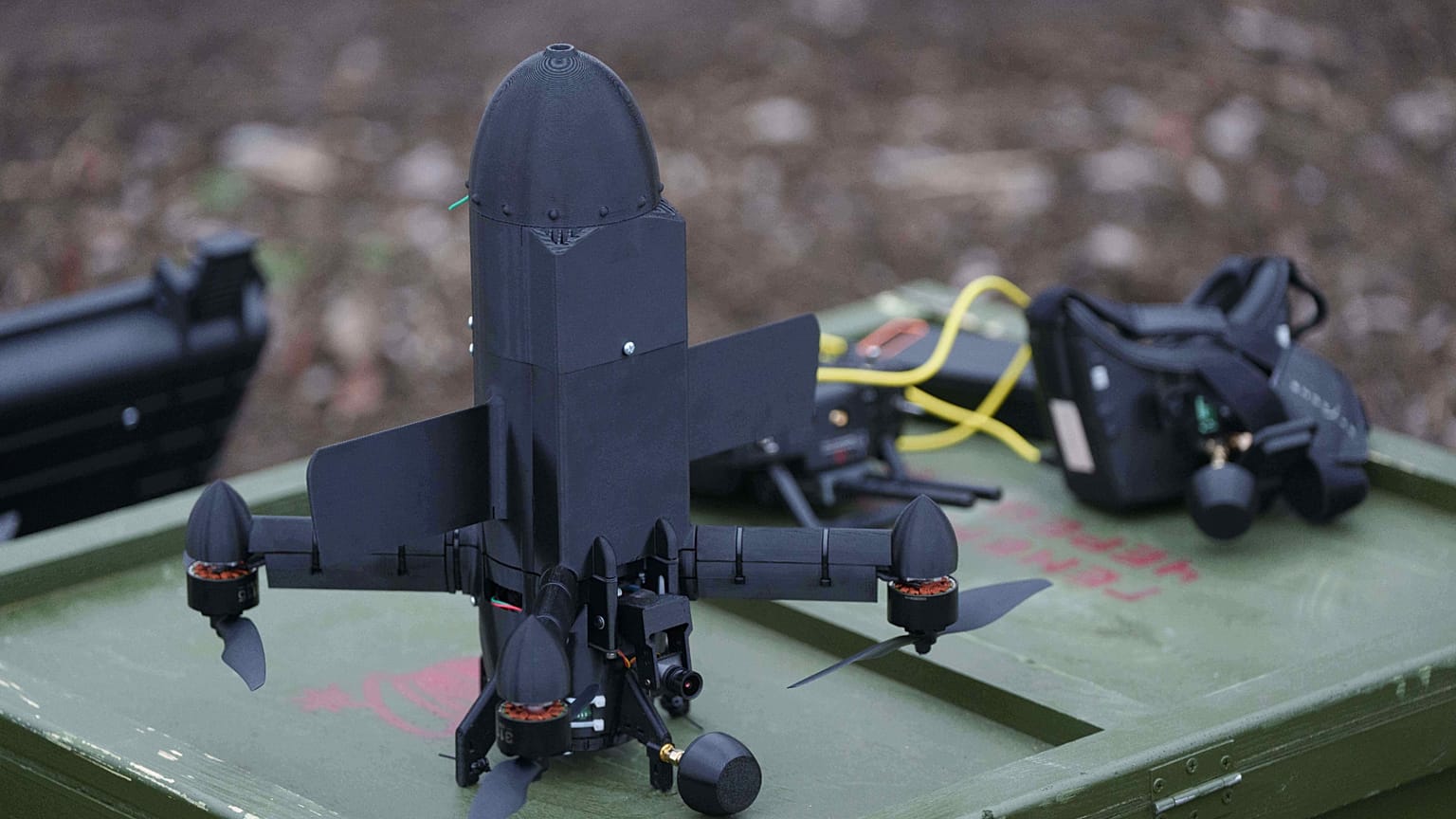













Since 2022 Kyiv has developed a complex and multi-layered air defence system, which includes mobile fire groups, often using pickup trucks armed with heavy machine guns, and domestically developed interceptors.
Soon after Russia went on its full-scale invasion of Ukraine in 2022, Moscow became heavily reliant on Iran-designed and made Shahed-type drones.
 ADVERTISEMENT
ADVERTISEMENT
ADVERTISEMENT
Launched in waves and coming at civilian and infrastructure targets in hundreds, these one-way attacks by UAVs — now made in Russia on the cheap based on Tehran's blueprints — have remained a major threat to Ukraine and quickly turned into Moscow’s weapon of choice.
As Russia’s all-out war entered its fifth year, Ukraine’s drone interception rate stands at around 80%.
Since 2022 Kyiv has developed a complex and multi-layered air defence system against Russian drones, which includes mobile fire groups, often using pickup trucks armed with heavy machine guns, various electronic warfare and Ukraine’s domestically developed interceptors.
According to Ukraine’s Commander-in-Chief Oleksandr Syrskyi, over 70% of all Shahed-type drones targeting the capital and the Kyiv region have been shot down by interceptors in February.
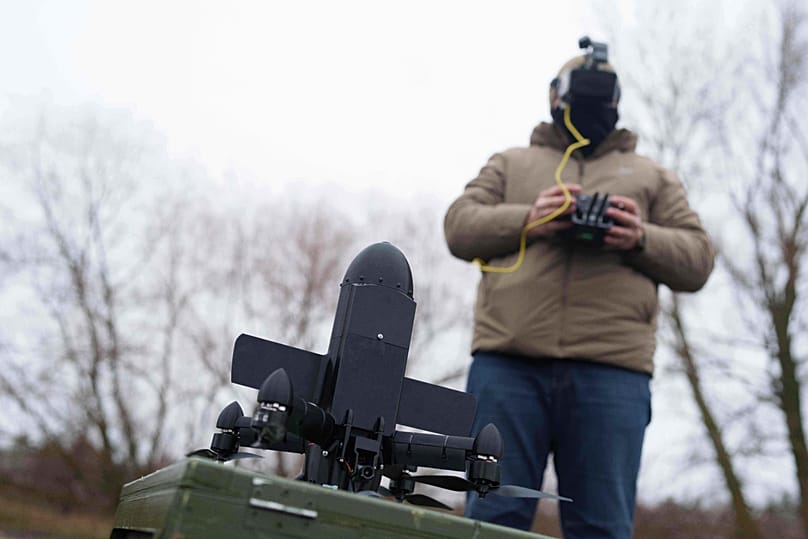
Ukraine’s brand new weapon
Ukraine started working on its interceptor drones in 2024, and as of autumn 2025 they have been widely used by air defence units.
According to the defence ministry, as of 7 January, units of the Armed Forces of Ukraine now receive more than 1,500 specialised anti-Shahed interceptor drones per day.
Their widespread use helps preserve high-value surface-to-air missiles, which are costly and limited in supply in Ukraine’s case.
Ranging from €1,000 to €4,000 these interceptors are much cheaper than Shahed drones, which can cost between €25,000 and €40,000.
The price difference is stark compared with expensive, sophisticated Patriot air defence systems, where a single missile costs some €3.5 million.
Apart from their high cost, Patriot missiles are not designed for these drones and cannot provide adequate defence.
The six US service personnel who died in the opening hours of the Iran war were killed by an Iranian drone attack in Kuwait, likely a Shahed-type UAV.
Ukraine’s president said on Thursday that in just three days of fighting in the Middle East, more than 800 Patriot missiles were used — more than Ukraine has received throughout the entire Russian full-scale invasion.
"Everyone understands that Patriot (missiles) are not enough," Volodymyr Zelenskyy said.
US requests help from Ukraine
Zelenskyy reiterated that Ukraine is ready to provide drone interceptors in exchange for missiles, though he did not specify which countries could be involved.
He also said that Ukraine is prepared to share its expertise with countries facing Iranian attacks to help protect civilians and oil infrastructure in the Middle East.
"We received a request from the United States for specific support in protection against 'shaheds' in the Middle East region," Zelenskyy said in a statement on Thursday.
"I gave instructions to provide the necessary means and ensure the presence of Ukrainian specialists who can guarantee the required security. Ukraine helps partners who help ensure our security and protect the lives of our people."
Some Middle Eastern countries are already partly familiar with Ukraine’s drone interceptors.
In November Ukrainian drone manufacturer SkyFall unveiled its P1-SUN interceptor drone to an international audience at the Dubai Airshow 2025, marking the first time the system has been publicly displayed outside Ukraine.
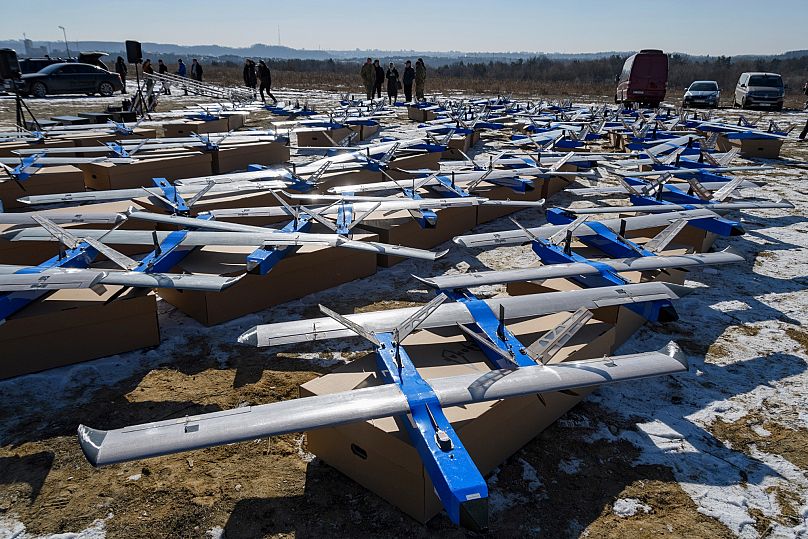
Ukraine’s National Security and Defence Council said the country produced 100,000 interceptor drones in 2025 and reported that production capacity has grown eightfold compared to the prior period.
Zelenskyy said it can grow further this year, as there are currently 450 drone producers in Ukraine. Out of “40-50 are top-tier,” according to the Ukrainian president.
Now that Kyiv has opened its arms exports, the production can explode as the international demand for Ukraine’s weapons, operators, and expertise is at all times high.