


















In a press conference, UAE Minister of State for International Cooperation Reem Bint Ebrahim Al Hashimy condemned what she called "blatant Iranian attacks" on her country and other Gulf states.
The United Arab Emirates called on the United States, Israel and Iran to return to the negotiating table as the conflict across the Middle East that broke out on the weekend enters its fifth day.
 ADVERTISEMENT
ADVERTISEMENT
ADVERTISEMENT
UAE Minister of State for International Cooperation Reem Bint Ebrahim Al Hashimy also condemned the "blatant Iranian attacks" and warned of regional escalation, "without taking into account the clear position of the UAE, which has repeatedly confirmed that it is not allowed to use its lands in any military operation against Iran".
Speaking at her first press conference since the outbreak of the conflict, Al Hashimy emphasised that the UAE does not "seek to expand the circle of confrontation" and does not "believe that military solutions necessarily create stability".
"Returning to the negotiating table is the only rational way forward,” she added.
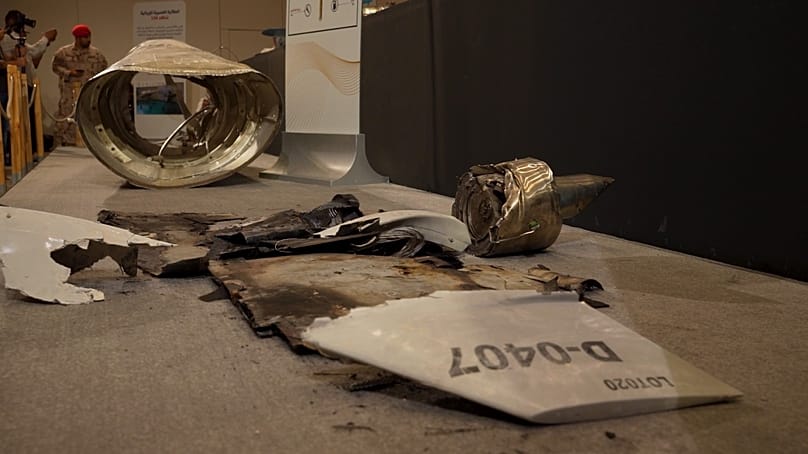
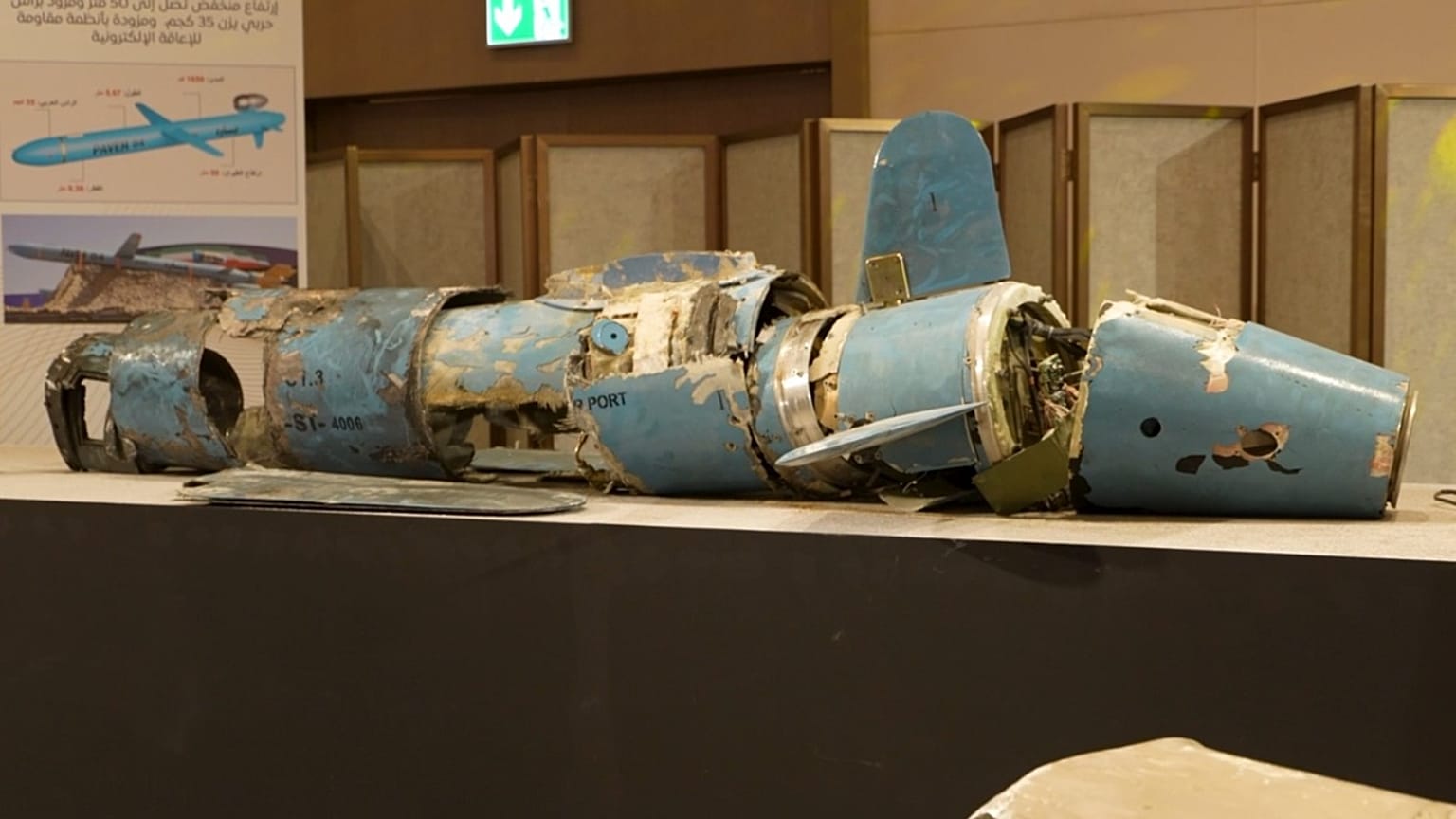
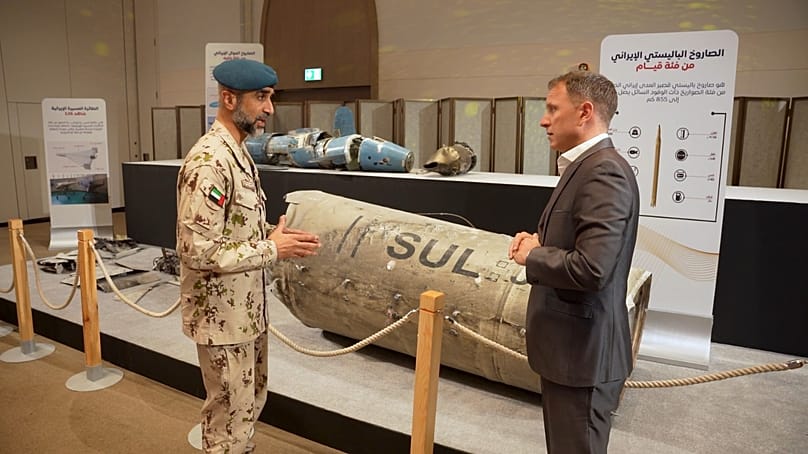
Pieces of recovered missiles and drone debris following Iran's strikes, ranging from ballistic missiles to suicide drones, were displayed at the government media briefing.
The country’s defence ministry said Tuesday that it has so far repelled hundreds of ballistic missiles and drones fired into the country.
It said a total of 186 missiles and 812 drones were fired towards the country since the weekend.
"The UAE air defence system is very capable of defending the country and we are very aware of the threats around it, we will continue defending the country," Brigadier Abdul Nasser Al Humaidi, official spokesperson of the Ministry of Defence, told Euronews.
While calling for continued dialogue through diplomatic means, the UAE has emphasised it possesses the defence capabilities and ammunition stockpiles to protect itself “regardless of the time frame and the length of the escalation period in the region”.
The UAE, which has seen repeated attacks in recent days, is a major tourist destination and a key international layover hub.
Travellers from Dubai are now seeking to evacuate by overland, either to Muscat, Oman, roughly a four-hour drive, or to Riyadh, Saudi Arabia's capital, more than 10 hours away.
Then they board one of the few available commercial flights or take a charter flight, whose costs have skyrocketed since the start of the war.