




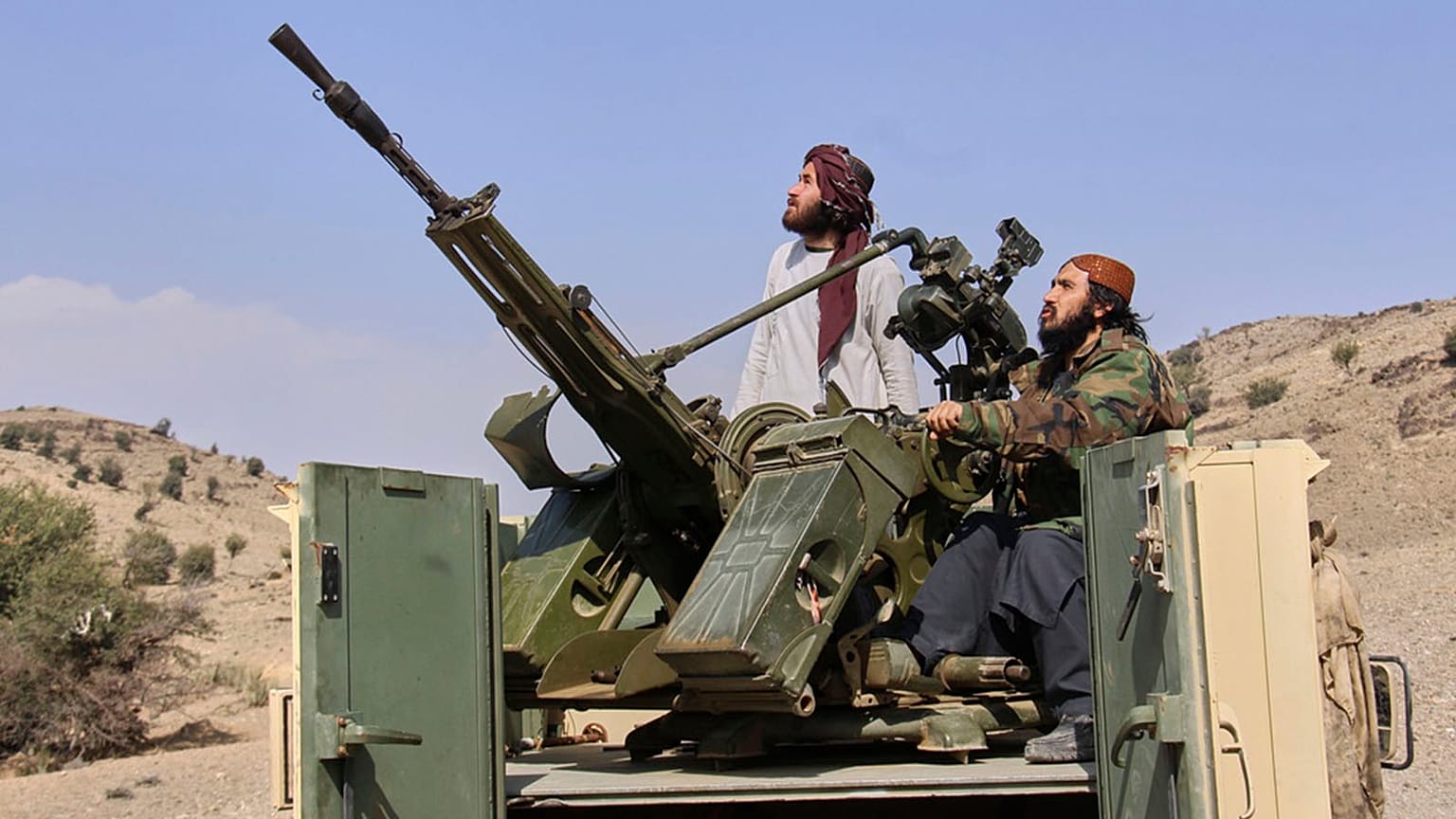













Pakistan and Afghanistan, two countries sharing some 2,600 kilometres of mountainous frontier, are facing a major escalation after several months of "relative calm" and sporadic cross-border strikes. Can it turn into an all-out war?
Pakistan launched airstrikes on Afghanistan's capital Kabul and other cities early Friday, declaring "open war" after Taliban forces attacked Pakistani border positions, in a sharp escalation of violence between the neighbours for the second time since October.
 ADVERTISEMENT
ADVERTISEMENT
ADVERTISEMENT
Pakistani Defence Minister Khawaja Asif said Islamabad's patience had "run out" with the Taliban government in Afghanistan following Thursday night's cross-border attacks.
Pakistan's military said its Operation Ghazab lil Haq, or "Righteous Fury", killed 133 Taliban fighters and targeted military installations in Kabul and the strategically important city of Kandahar, where Taliban leader Hibatullah Akhundzada resides.
Afghan Taliban government spokesperson Zabihullah Mujahid confirmed Pakistan hit three provinces and said retaliatory attacks had begun against Pakistani military positions. Kabul's Defence Ministry said eight of its soldiers had been killed.
What sparked the latest crisis?
The Taliban launched what Mujahid called "large-scale offensive operations" against Pakistani positions along the Durand Line border on Thursday evening at around 8 pm local time.
The Taliban said the attacks were in retaliation for Pakistani airstrikes on 21 February that hit Nangarhar, Paktika and Khost provinces, killing at least 18 people according to Afghan Taliban officials.
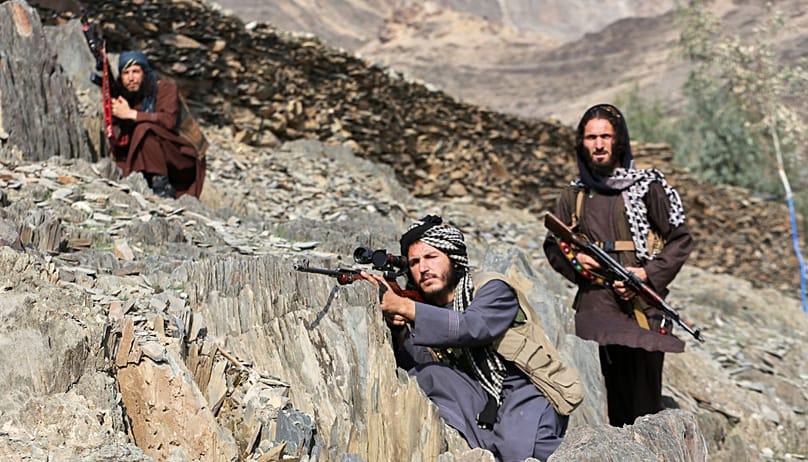
Pakistan said those strikes targeted camps belonging to Tehrik-e-Taliban Pakistan (TTP) and so-called Islamic State-Khorasan Province extremist groups.
Pakistani warplanes struck Kabul at approximately 1:50 am local time on Friday, followed by a second raid, according to reports from the Afghan capital. Anti-aircraft guns opened fire after the strikes.
Pakistan said it targeted Afghan Taliban defence facilities including brigade headquarters in Kabul, a corps headquarters and brigade headquarters in Kandahar, and Taliban positions in Paktia.
The strikes also hit areas in Pakistan's Khyber Pakhtunkhwa province, including Chitral, Khyber, Mohmand, Kurram and Bajaur districts, according to Pakistan's Information Ministry.
Kabul said it conducted drone strikes against military targets in Pakistan, although Pakistan denied any posts had been captured or damaged.
Meanwhile, reports indicate that Pakistani forces have seized several border posts and raised the Pakistani flag over them.
What are the roots of the conflict?
At the heart of the dispute is Pakistan's accusation that the Taliban harbours TTP militants inside Afghanistan who launch attacks on Pakistani territory.
The Taliban first ruled Afghanistan from 1994 until the US-led intervention following the 9/11 attacks in 2001.
After their fall, Taliban fighters retreated to the border areas between Afghanistan and Pakistan. In 2007, several militant groups merged to form TTP, also known as the Pakistani Taliban.
The group’s primary objective is to overthrow the Pakistani government and establish a system based on its interpretation of Islamic law. TTP has carried out attacks against the army, security forces, and political figures to destabilise Pakistan.
The group carried out more than 1,000 violent incidents across Pakistan in 2025, according to conflict monitor ACLED.
Although the TTP is formally separate from the Afghan Taliban, it maintains ideological, social and linguistic ties with them.
For Islamabad, this represents a serious security concern, and Pakistan continues to accuse the Taliban government not only of failing to act decisively against the TTP but possibly even supporting it.
In addition, the Balochistan Liberation Army (BLA) has significantly increased its activities in recent years. The provinces of Khyber Pakhtunkhwa and Balochistan — both bordering Afghanistan — have borne the brunt of the violence.
The approximately 2,600-kilometre Durand Line border remains contentious. Afghanistan has never formally recognised it, arguing it unjustly divides the Pashtun population.
How is the escalation connected to India?
Some analysts believe Islamabad’s growing impatience with the Taliban is not only due to rising cross-border insecurity but also Kabul’s perceived closeness to New Delhi.
From this perspective, Pakistan’s actions may carry a political message as well — warning Taliban leaders about the consequences of deepening ties with India while ignoring Pakistan’s security concerns.
Indicatively, Pakistan Defence Minister Asif said in a post on X that the Taliban had turned Afghanistan “into a colony of India,” instead of focusing on the welfare of the Afghan people and regional stability.
"In the past, Pakistan's role has been positive. It has hosted 5 million Afghans for 50 years. Even today, millions of Afghans are earning their livelihood on our soil. Our cup of patience has overflowed. Now it is open war between us and you," Asif said.
The Taliban government in Kabul said on Friday has rejected the allegations, stating it has consistently sought positive relations with neighbouring countries and insisting Afghan territory has not been used against any state.
It described Pakistan’s conflict with TTP as an internal issue and rejected backing the group.
Since the Taliban returned to power in 2021, Pakistan has conducted six airstrikes inside Afghanistan. Prior to Friday’s operation, the most high-profile incident had been an airstrike on Kabul in October 2025.
According to regional media, since the withdrawal of US forces from Afghanistan, at least 75 clashes have occurred between Pakistani and Afghan Taliban forces.
A Qatar-mediated ceasefire brokered in October 2025 after deadly clashes had largely held, but both sides continued intermittent exchanges of fire. Several rounds of peace talks in November failed to produce a formal agreement.