




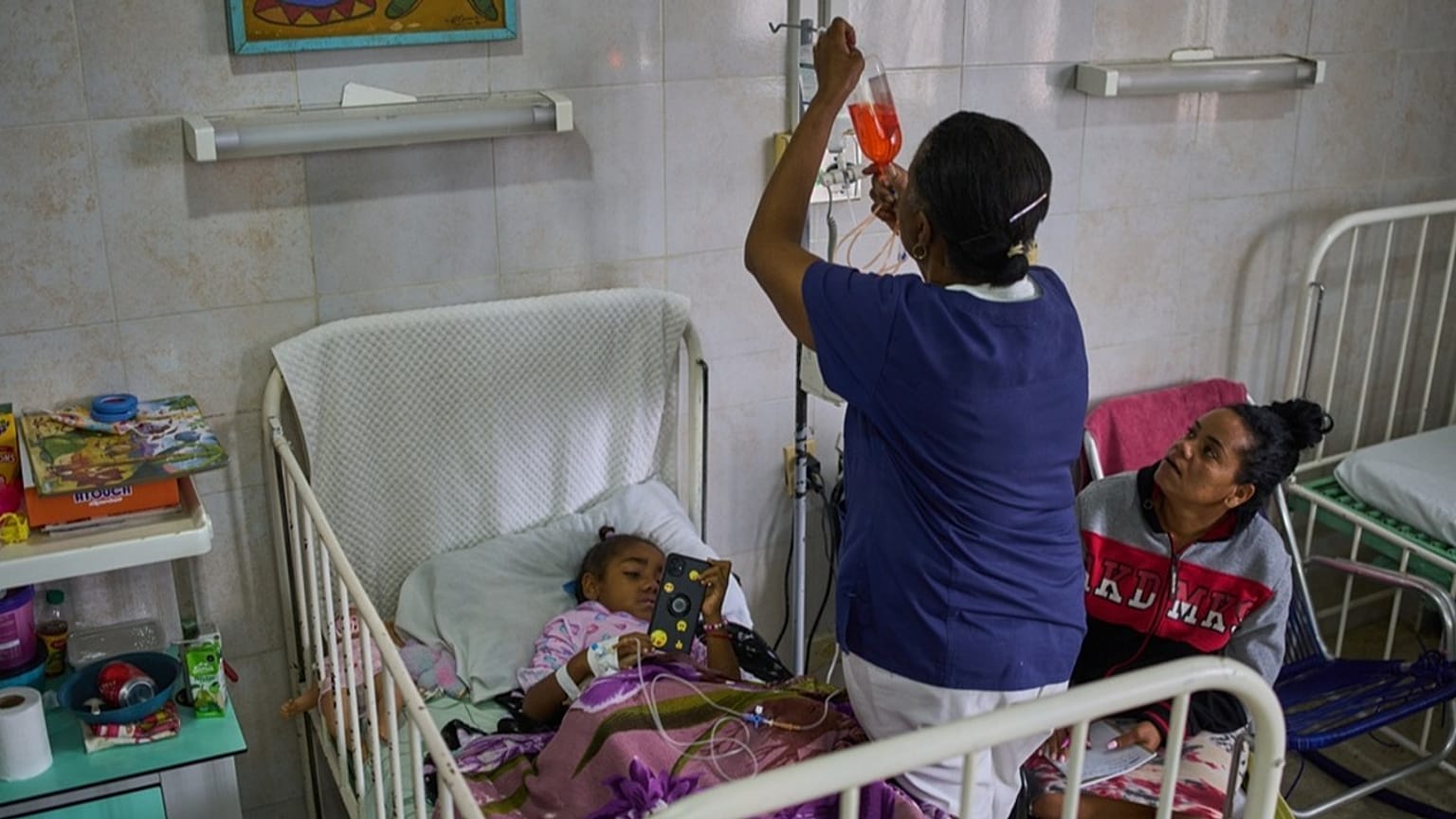













Cuba’s Health Minister says the country is headed to a catastrophic humanitarian crisis, saying the US blockade of oil on his country is rendering hospitals helpless and puts thousands of lives at risk.
Cuban officials say the debilitated healthcare system has been pushed to the brink of collapse by the US blockading the country’s oil supply.
 ADVERTISEMENT
ADVERTISEMENT
ADVERTISEMENT
The country’s medical system was already perpetually crisis-stricken along with the island’s economy, with lack of supplies, staff and medicine long being the norm.
The situation however has reached a new extreme, with authorities now saying that ambulances are struggling to find fuel to respond to emergencies. Persistent power outages have also further deteriorated hospitals.
Flights bringing in vital supplies, which the island nation has been relying on since the blockade, have now stopped, as Havana is no longer capable of refuelling airplanes for their outbound flights from Cuban airports.
Experts and analysts say the blockade is pushing the country into a humanitarian crisis and have urged leaders to take measures to ensure civilians are not harmed.
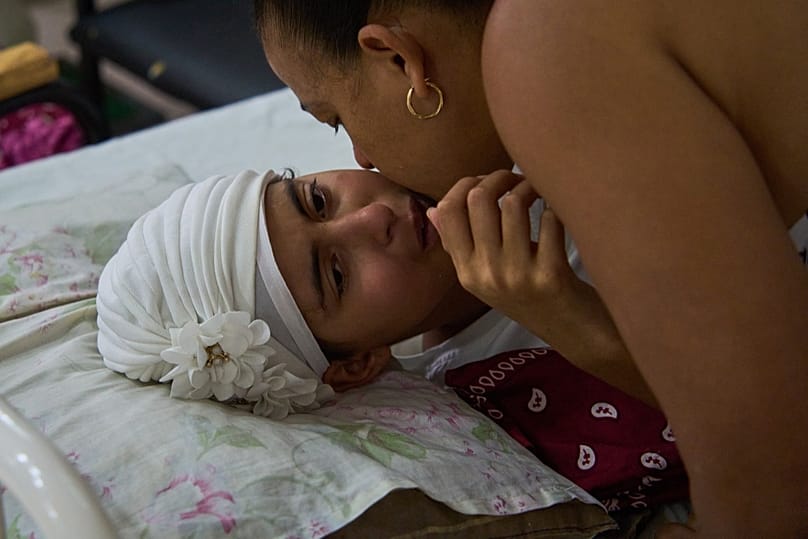
In an interview with The Associated Press, Cuba’s Health Minister José Ángel Portal Miranda said that US sanctions are no longer just crippling the island's economy, they're threatening “basic human safety.”
“You cannot damage a state’s economy without affecting its inhabitants,” Portal said. “This situation could put lives at risk.”
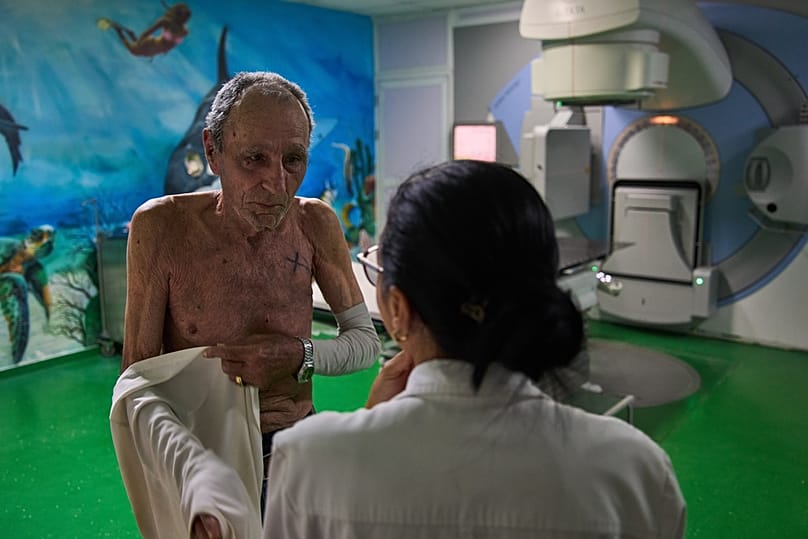
According to Portal, 5 million people in Cuba living with chronic illnesses will see their medications or treatments affected. This includes 16,000 cancer patients requiring radiotherapy and another 12,400 undergoing chemotherapy.
Cardiovascular care, orthopaedics, oncology and treatment for critically ill patients who require electrical backup are among the most impacted areas, he said. Kidney disease treatments and emergency ambulance services have also been added to the list of impacted services.
The energy crisis Cuba has been grappling with for years entered new extremes last month after US President Donald Trump signed an executive order that would impose a tariff on any country that sells or provides oil to Cuba.
It came just weeks after Trump deposed Venezuelan President Nicolás Maduro in a dramatic military intervention and announced that no more Venezuelan oil would go to Cuba.
Cuba, which produces only 40% of its own fuel and largely depends on oil to power the island, has long relied on allies like Venezuela, Mexico and Russia to fill its energy deficit. But those shipments have now dried up.
Trump has openly said that his larger hope is to push regime change in Cuba by intensifying economic pressure on the island, which has already struggled to cope with decades of US sanctions.
Washington’s pressure on Havana began after it accused the island country of providing security services to Maduro in exchange for oil and money. It has since urged the Cuban government to ink a deal to diffuse tensions.
Cuba has so far refused to enter into an agreement with the US, with President Miguel Díaz-Canel saying he’ll only negotiate with Washington under equal footing based on respect and has refused to entertain a deal which would undermine his country’s sovereignty.