




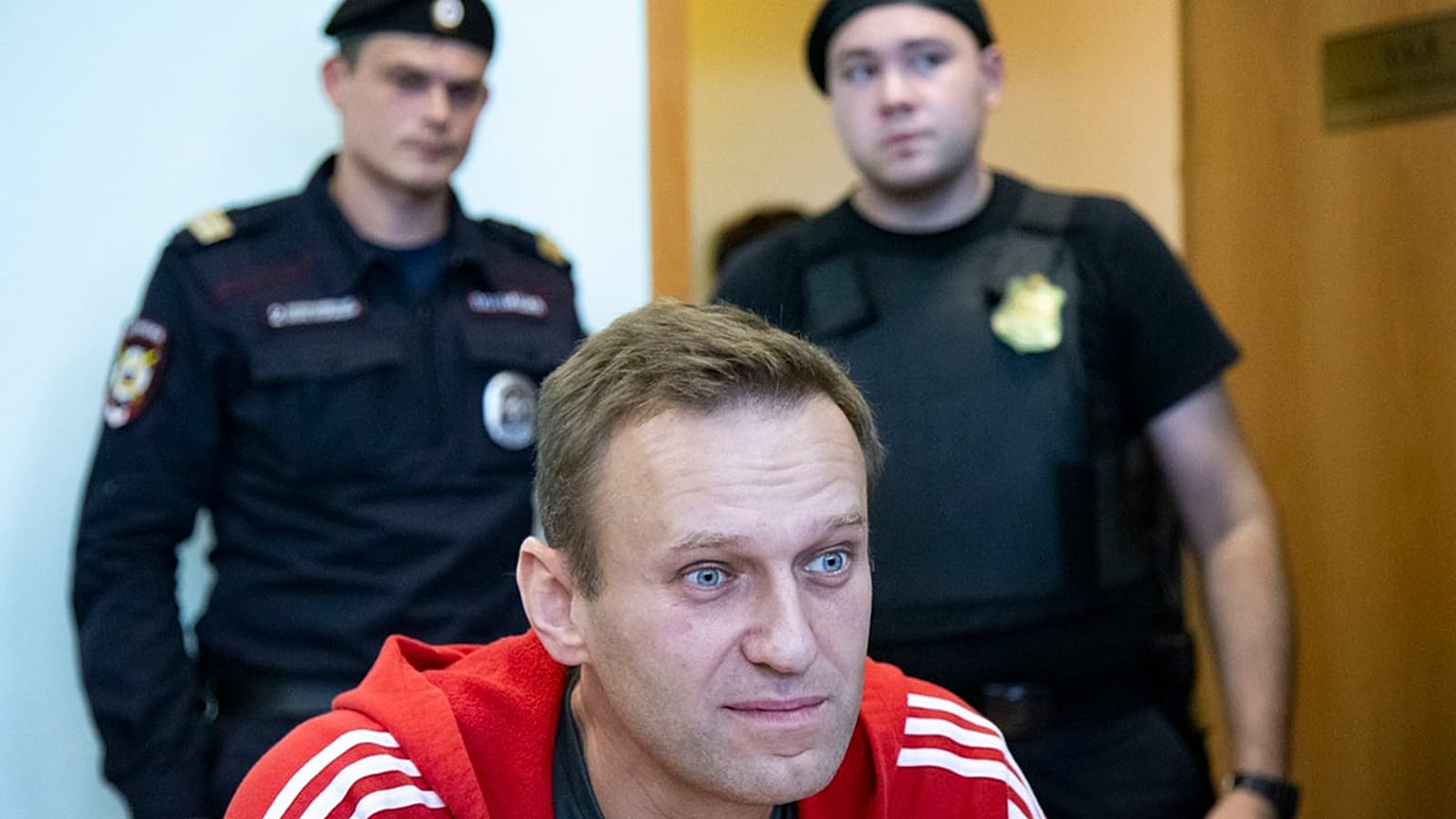














Epibatidine, found in the Ecuadoran dart frog, causes muscle paralysis and eventual asphyxiation. Experts have said the toxin can also be produced synthetically, instead of extracting it directly from the frog itself.
Analysis in European labs "conclusively confirmed" that Russian opposition leader Alexei Navalny was poisoned by the Kremlin with a lethal dart frog toxin, the foreign ministries of five European countries stated over the weekend, bringing his 2024 death in an Arctic penal colony back into focus.
 ADVERTISEMENT
ADVERTISEMENT
ADVERTISEMENT
Navalny died in the Polar Wolf maximum-security corrections facility near the western Siberian town of Kharp in February 2024 while serving a 19-year sentence for "extremism", a charge that he and his supporters say was a way of silencing him over his opposition work.
Russian authorities maintain that Navalny died after going for a walk and falling ill while imprisoned. They then spent weeks refusing to release his body and forcing the next of kin to sign a death certificate stating that he died of "natural causes," leading to claims of a cover-up.
On Monday, Moscow rejected the findings of the five European countries — the UK, France, Germany, Sweden and the Netherlands — which say that Navalny's death was caused by epibatidine, a neurotoxin secreted by poison frogs.
However, the latest revelation by European allies is consistent with the Kremlin's existing track record of poisoning its opponents and a previous attempt on Navalny's life in a novichok nerve agent attack in 2020, which forced Navalny to be evacuated to Germany for months-long treatment and recovery.
Epibatidine and the Ecuadorian dart frog
Epibatidine is found naturally in Ecuadorian dart frogs in the wild, and can also be manufactured in a lab, which European scientists suspect was the case with the substance used on Navalny.
It works on the body in a similar way to other nerve agents, causing shortness of breath, convulsions, seizures, a slowed heart rate and ultimately death.
In its joint statement, the five European countries said the dart frog poison is not found naturally in Russia. However, this would not present an obstacle to a state actor from either collecting it in the wild or synthesising it in a lab, experts say.
"Russia claimed that Navalny died of natural causes. But given the toxicity of epibatidine and reported symptoms, poisoning was highly likely the cause of his death. Navalny died while held in prison, meaning Russia had the means, motive and opportunity to administer this poison to him," the statement said.
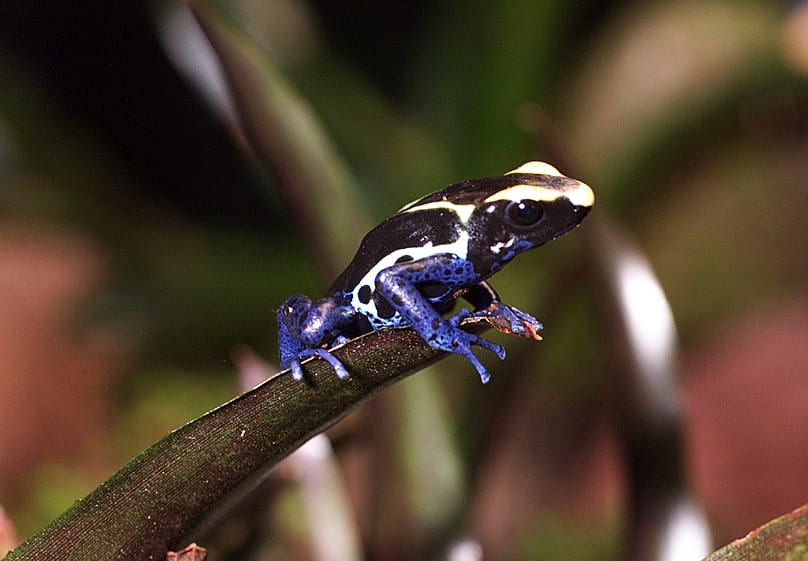
European officials said they had a high degree of confidence in the assessment that Navalny died from epibatidine poisoning. Asked why the results had taken so long, German Foreign Minister Johann Wadephul said that it had been “a complicated process”.
“No one but Putin’s henchmen will be able to say in detail what happened on 16 February, 2024, in the Russian penal colony," Wadephul said. "But it is clear that Russian authorities had the possibility, the motive and the means to administer the poison to Navalny.”
“Russia saw Navalny as a threat,” British Foreign Secretary Yvette Cooper said. “By using this form of poison the Russian state demonstrated the despicable tools it has at its disposal and the overwhelming fear it has of political opposition.”
French Foreign Minister Jean-Noël Barrot wrote on X that the poisoning of Navalny shows “that Vladimir Putin is prepared to use biological weapons against his own people in order to remain in power.”
"It’s a troubling report," US Secretary of State Marco Rubio told reporters during a visit to Slovakia on Sunday. “We don’t have any reason to question it.”
Russia has been incriminated in a string of poisoning attacks on Kremlin critics in several high-profile cases, including the 2006 killing of former FSB officer Alexander Litvinenko with radioactive polonium-210 in London.
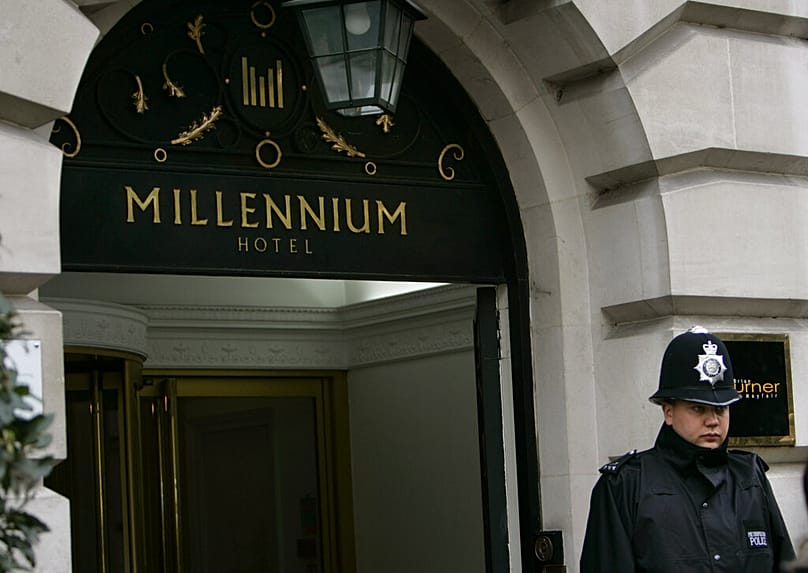
The 2018 attack on former double agent Sergei Skripal and his daughter with a nerve agent from the novichok family of toxins in Salisbury, both of which UK and European courts have attributed to Russian state agents, remains the most high-profile case in recent years.
The Kremlin was also accused of poisoning Russian opposition politician Vladimir Kara-Murza in 2015 and 2017, who survived two near-fatal incidents after being followed by FSB agents.
The poisonings caused multiple organ failure and left Kara-Murza with nerve damage that requires him to walk with a cane and a lasting neurological condition.
The 2004 dioxin poisoning of Ukraine's former President Viktor Yushchenko, which left his face disfigured, has also been linked to Russia, but the investigation has since stalled and remains officially unsolved.
Family members call for accountability
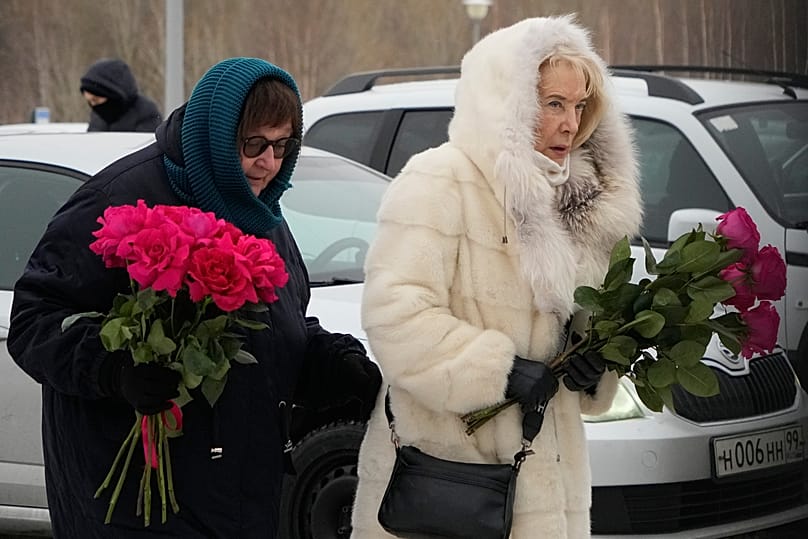
Meanwhile, Navalny's mother Lyudmila told reporters she felt vindicated by the European statement and called for those responsible to be held accountable, as dozens of people, including family members, foreign diplomats and supporters, visited Navalny's grave on Monday to pay tribute to him on the anniversary of his death.
"This confirms what we knew from the very beginning. We knew that our son did not simply die in prison, he was murdered," she said outside the cemetery where he was buried in Moscow.
"I think it will take some time, but we will find out who did it. Of course, we want this to happen in our country, and we want justice to prevail," she added.
Navalny's widow Yulia Navalnaya said on Saturday it was now "science proven" that her husband had been murdered.
She had previously said in September that laboratory analysis of smuggled biological samples found that her husband was poisoned.
Navalnaya has vowed to take the mantle of Russia's opposition in the wake of Navalny's death but has struggled to galvanise widespread support.