




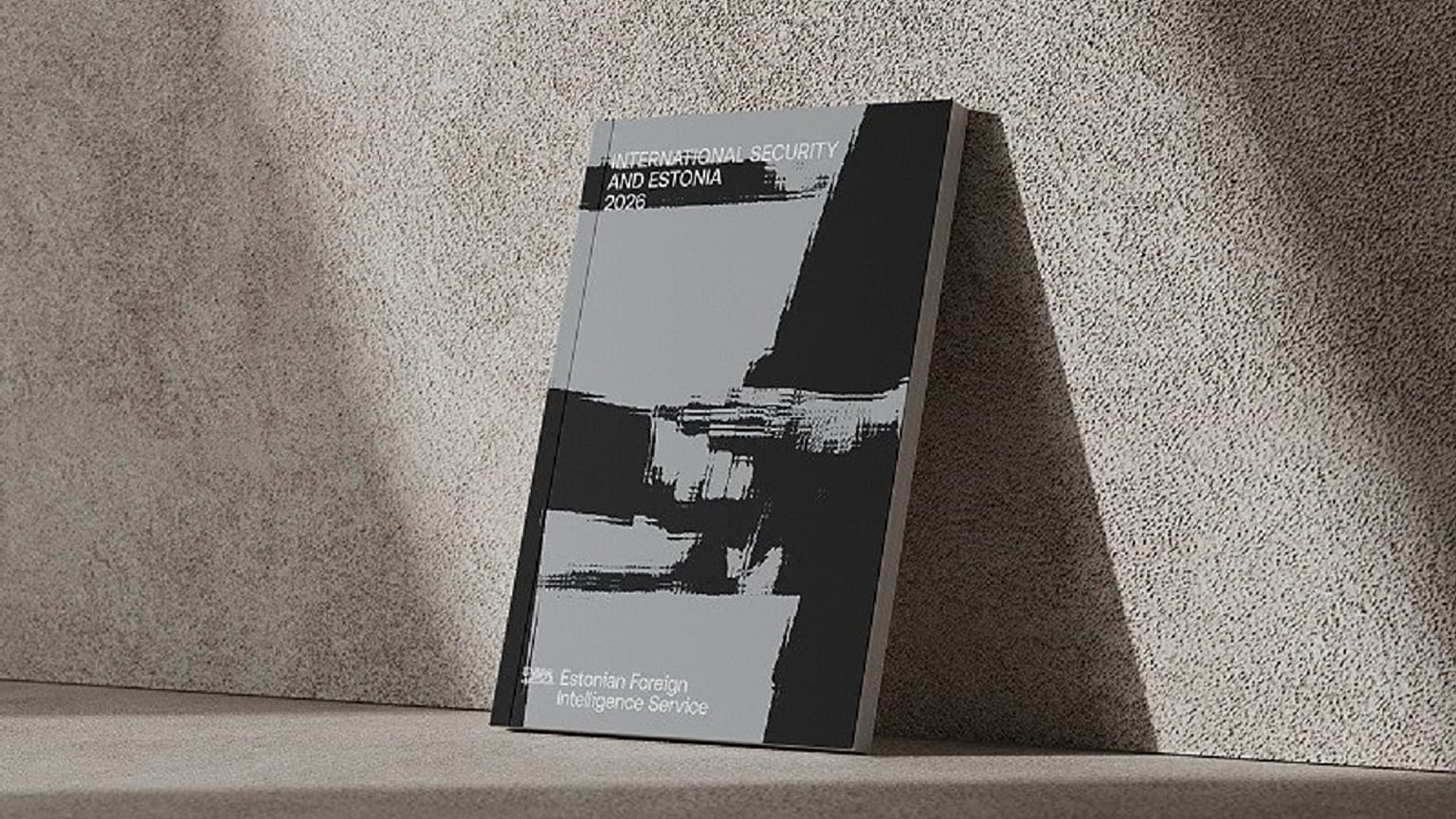













Estonia's Foreign Intelligence Service chief Kaupo Rosin warned that "Russia remains a dangerous country despite its incompetence," as Tallinn published its annual security assessment report on the threat Russia poses to the region and NATO.
The Estonian Foreign Intelligence Department has published its annual report, which concludes that Russia does not intend to launch a military strike against Estonia or any other NATO member state in the near future.
 ADVERTISEMENT
ADVERTISEMENT
ADVERTISEMENT
The agency noted however that Russia is increasing the size of its armed forces and restocking on strategic artillery ammunition. In addition, unmanned aerial vehicles (UAVs) are being formed on the principle of a mass army.
The report also stated that controlling Ukraine is an obsession for Russian President Vladimir Putin, as in his mind it would restore Russia's position as a great power on the global stage, with the right to make European security decisions and that peace talks are only one way to win the war.
"Russia remains a dangerous country despite its incompetence, and vigilance is necessary to prevent the expansion of the 'Russian world'," said Kaupo Rosin, Director-General of the Estonian Foreign Intelligence Department, in a foreword to the report, adding that at the moment, "there is no reason to panic."
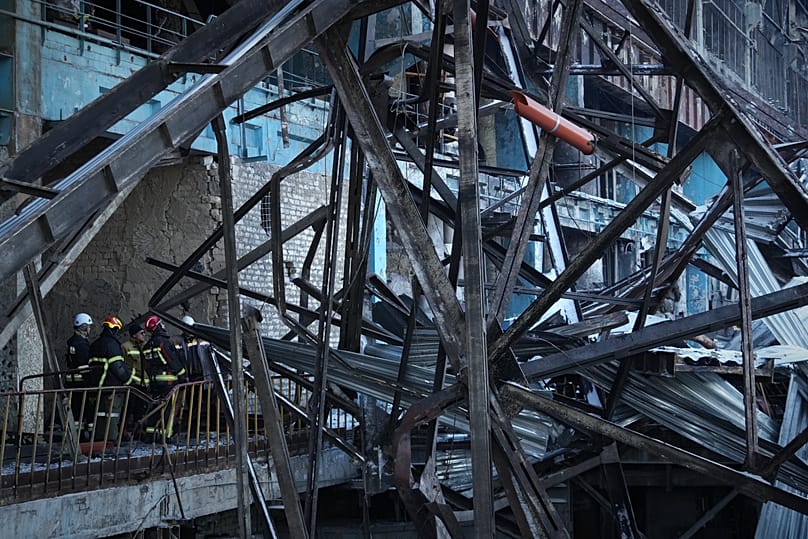
The published report notes that Russia's military-industrial complex has increased the production of artillery ammunition more than 17 times since 2021.
Given the increase in production, and significant imports, Russia is likely to be able to replenish some of its strategic artillery ammunition stocks, despite the ongoing war with Ukraine.
Economic squeeze
For the Kremlin, maintaining such stockpiles is almost certainly an important element of planning for potential future conflicts. According to Tallinn, Moscow is expanding by squeezing traditional sectors of the economy.
"While sanctions are clearly affecting the Russian economy, there remain loopholes that need to be closed through targeted measures and co-operation between Western countries," said the foreign intelligence chief.
Rosin asserted that the Russian economy has become very vulnerable to each successive package of Euroepan sanctions.
"Certain cracks are starting to appear there, and it is all developing along a very favourable trajectory for us. My message is that this is actually the right time to push the pedal even harder."
Tallinn stressed that Russia has been trying to create an image that it is capable of fighting for a long time and nothing is affecting it, but the situation in the country is bad.
The report also warns that the Kremlin appears to be on the cusp of further tightening its grip on dissent domestically, as it predicts tougher measures to restrict independent access to information in online mediums to roll out in 2026.