




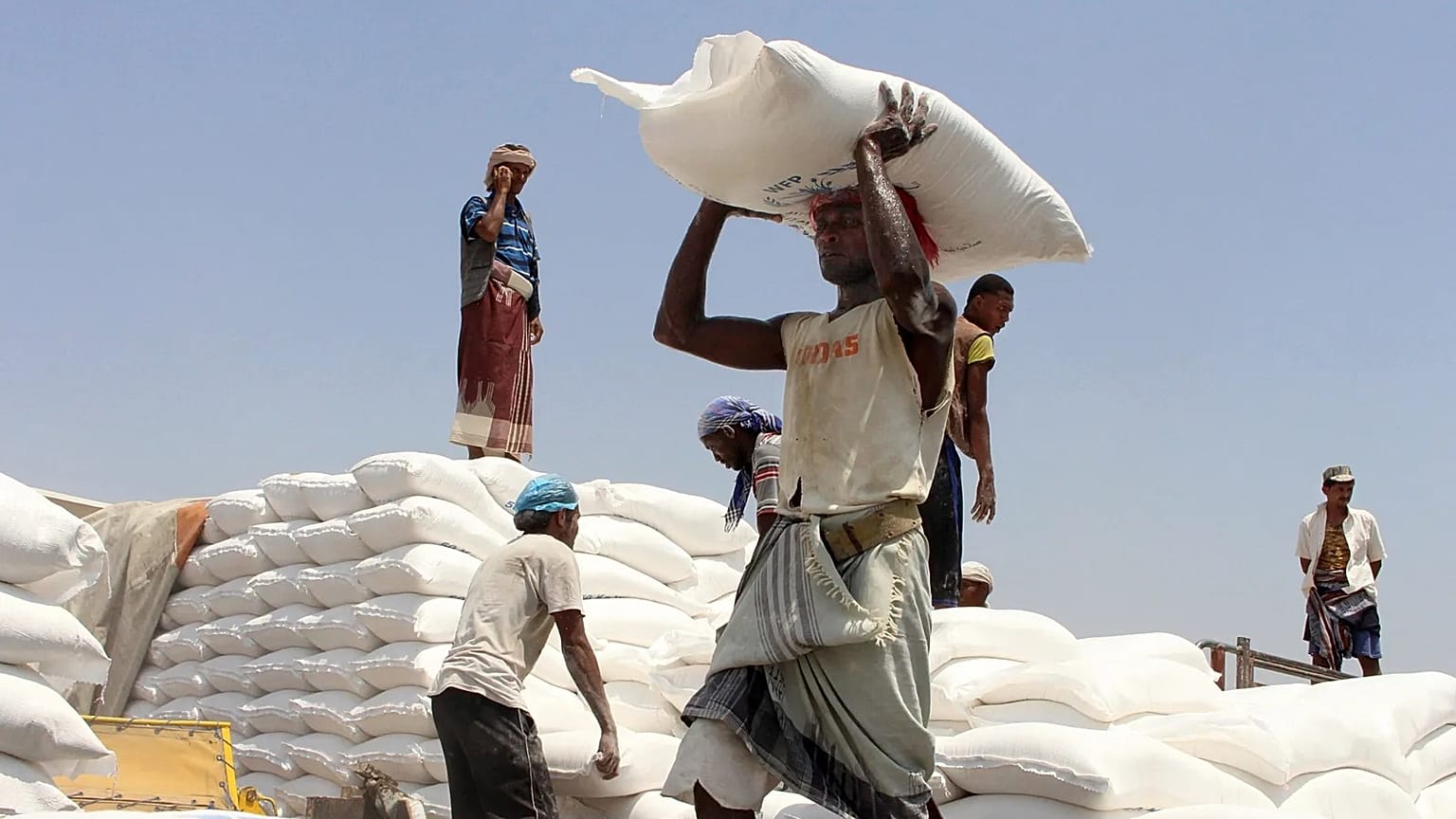













An estimated 4.8 million people remain internally displaced across Yemen, the WFP says, in what the UN says is one of the world's worst humanitarian crises.
The United Nations food agency is shutting down its operations in the northern, rebel-held part of Yemen, following restrictions and harassment by the Iran-backed Houthi rebels, UN officials said on Thursday.
 ADVERTISEMENT
ADVERTISEMENT
ADVERTISEMENT
The World Food Programme's (WFP) move is likely to worsen the dire humanitarian conditions in the impoverished country amid the Houthis' crackdown on UN workers and aid groups in areas under their control, as well as funding shortages.
According to the UN officials, the WFP's 365 staff members in northern Yemen will lose their jobs by the end of March.
One official blamed the "insecure operating environment" in the Houthi-controlled areas and lack of sufficient funding for the decision.
The officials, with direct knowledge of WFP decisions, spoke on condition of anonymity to discuss the yet-to-be announced shutdown.
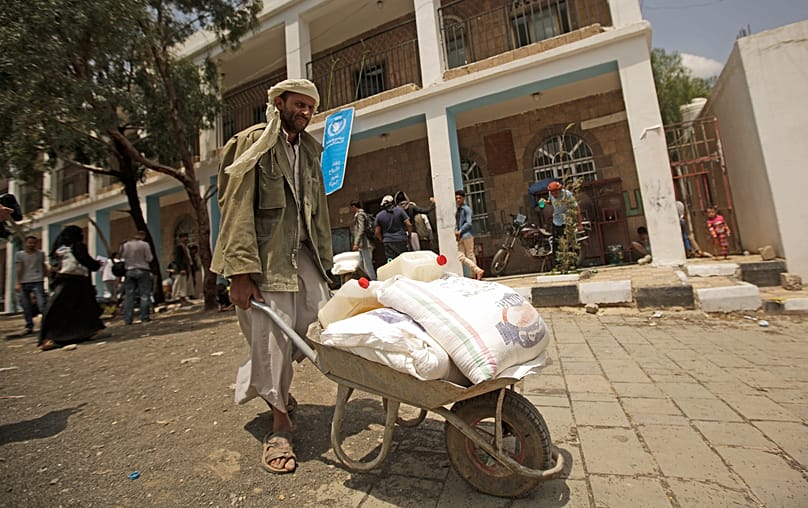
Over the last few years, the Houthis have cracked down on the UN in areas they control, detaining dozens of UN staffers as well as workers for nongovernmental and civil society groups and staff of diplomatic missions.
The rebels have escalated their crackdown in recent months, forcibly entering and occupying UN premises in Sana’a and elsewhere.
They have claimed, without offering evidence, that detained UN staff and employees of other organisations and embassies are spies, allegations the UN has denied.
The crackdown severely restricted humanitarian operations in the Houthi-held areas, which account to around 70% of humanitarian needs in the country, according to the UN.
Ramesh Rajasingham, who directs humanitarian operations in Yemen, told the UN Security Council earlier this month that more than 18 million people in Yemen could face acute food insecurity in the coming month, with tens of thousands at risk of slipping into "catastrophic hunger" and facing famine-like conditions.
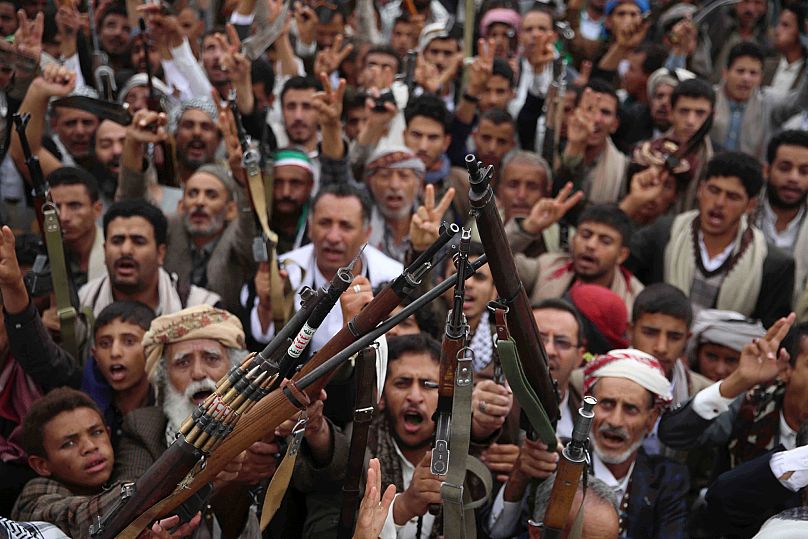
The UN Office for the Coordination of Humanitarian Affairs (OCHA) operations in Yemen in 2025 were just 25% funded.
The gap, OCHA said in a 4 January report, forced UN agencies and aid groups to scale back life-saving services across all sectors, particularly health and protection programmes.
This left "millions of people without essential care and exposed to heightened risks," the agency said.
Civil war breaks out
Yemen descended into a devastating civil war in 2014, when the Houthis pushed from their northern stronghold of Saada province and seized the capital Sana’a, forcing the internationally recognised government headed by Abdrabbuh Mansour Hadi into exile.
The conflict escalated in March 2015 when a Saudi-led coalition intervened to restore the government, escalating a civil conflict into a regional proxy war.
The Houthis now control most of the country's north, while the official government, which is backed by the Saudi-led coalition, rules the south.
An estimated 4.8 million people remain internally displaced across Yemen, the WFP says, in what the UN says is one of the world's worst humanitarian crises.