




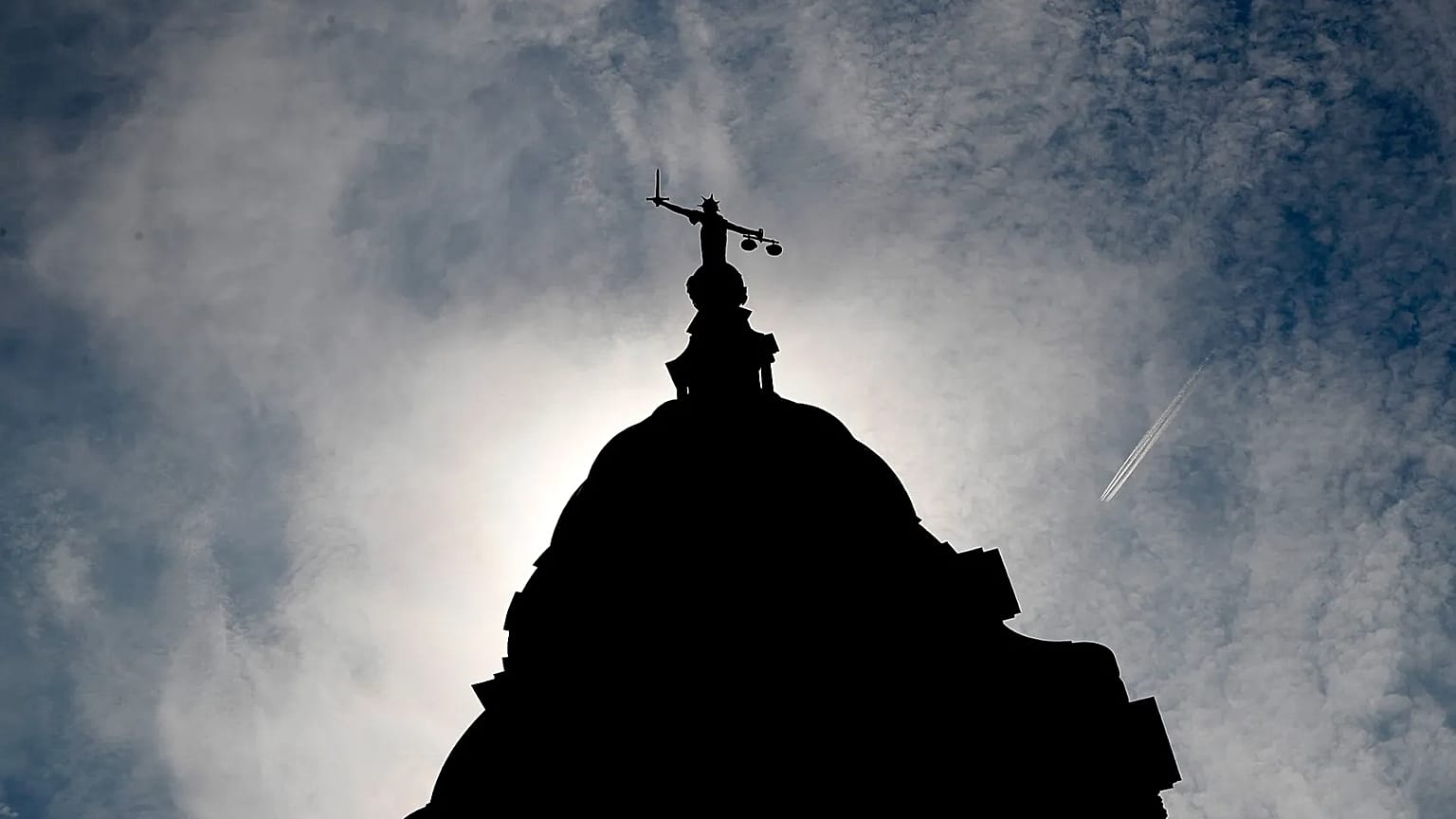













The government says there are almost 80,000 cases waiting to be heard in criminal courts in England and Wales, more than double the pre-pandemic figure.
The right to trial by jury will be pared back in the United Kingdom in an attempt to clear a backlog of cases clogging up the justice system, the government announced on Tuesday.
 ADVERTISEMENT
ADVERTISEMENT
ADVERTISEMENT
Justice Secretary David Lammy said overload and delays had created "an emergency in our courts" that risks collapsing trust in British justice.
The UK's court system has struggled to clear a backlog of cases built up since the COVID-19 pandemic.
The government says there are almost 80,000 cases waiting to be heard in criminal courts in England and Wales, more than double the pre-pandemic figure, with some cases taking several years to reach trial.
Under the changes, crimes with a likely sentence of three years or less will be tried before a judge alone, up from the current two years. Judges will also be able to sit without a jury in some complex fraud and financial cases.
Magistrates, who handle less serious offenses, will be able to impose sentences of up to 18 months, rather than the current 12 months, allowing them to handle more cases.
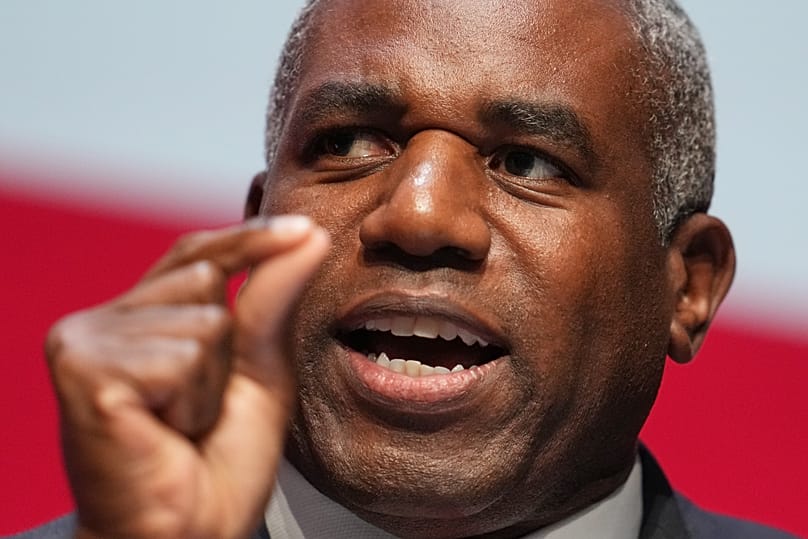
Defendants in what are known as "either way" cases involving mid-level offenses will lose the right to opt for trial either by judge or jury, with courts deciding where cases will be heard, Lammy said.
The changes apply to England and Wales. Scotland and Northern Ireland have separate judicial systems.
Lammy said the reforms would deliver swifter justice for victims.
"We're all proud of our justice system rooted in the Magna Carta, but we must never forget that it implores us not to deny or delay justice," Lammy told lawmakers in the House of Commons.
"When victims are left waiting for years, justice is effectively denied to them."
He said the changes would reduce by about a quarter the number of cases heard by juries, but that "jury trials will continue to be the cornerstone of the system for the most serious of offences," including murder, manslaughter, rape, serious assault and robbery.
Magna Carta, the charter of English liberties forced on King John in 1215, includes the stipulation that "No free man shall be seized or imprisoned, or stripped of his rights or possessions, or outlawed or exiled … except by the lawful judgment of his equals or by the law of the land."
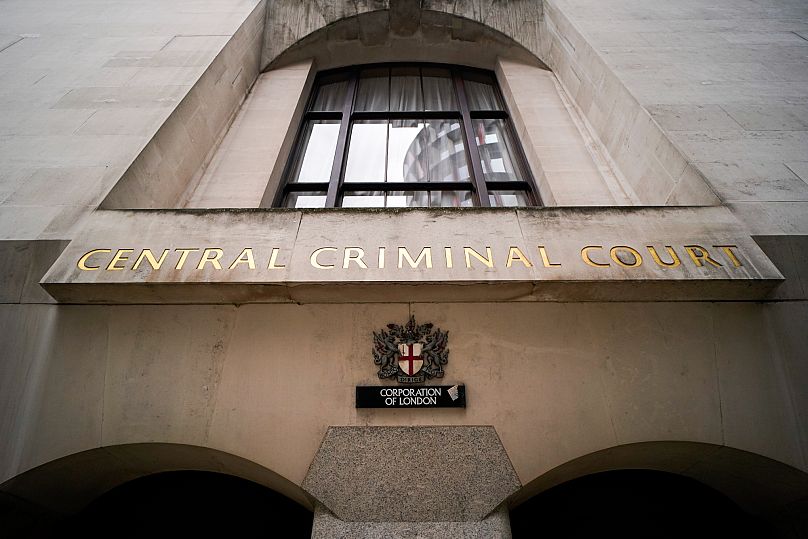
That's widely interpreted as laying the foundations for trial by jury, though the modern British system of jury trial dates from the 19th century and has been revised since.
Legal groups expressed concern about that right being undermined.
The Law Society of England and Wales said the proposals "go too far in eroding our fundamental right to be judged by a jury of our own peers."
Riel Karmy-Jones, chairwoman of the Criminal Bar Association, said: "It is not juries that cause delays. Rather, it is all the consequences of the years of underfunding that look set to continue."