





























US President Donald Trump says Venezuela’s Nicolas Maduro has been captured after US conducted a "large scale strike" on the South American country.
US President Donald Trump has confirmed US strikes on Venezuela on Saturday and said President Nicolás Maduro and his wife were "captured and flown out of the country," in a post on his social media platfrom Truth Social.
"The United States of America has successfully carried out a large-scale strike against Venezuela and its leader, President Nicolas Maduro, who has been, along with his wife, captured and flown out of the country," Trump said.
"This operation was done in conjunction with US law enforcement. Details to follow," he added.
"There will be a news conference today at 11 am (5 pm CET) at Mar-a-Lago. Thank you for your attention to this matter! President Donald J Trump."
At least seven explosions and low-flying aircraft were heard around 2 am local time Saturday in Venezuela’s capital Caracas, according to initial reports.
Venezuela’s government accused Washington of attacking civilian and military installations in multiple states. It said attacks took place in the cities of Caracas, Miranda, Aragua and La Guaira.
Meanwhile, the US Federal Aviation Administration has banned US commercial flights in Venezuelan airspace over “ongoing military activity” ahead of explosions in Caracas.
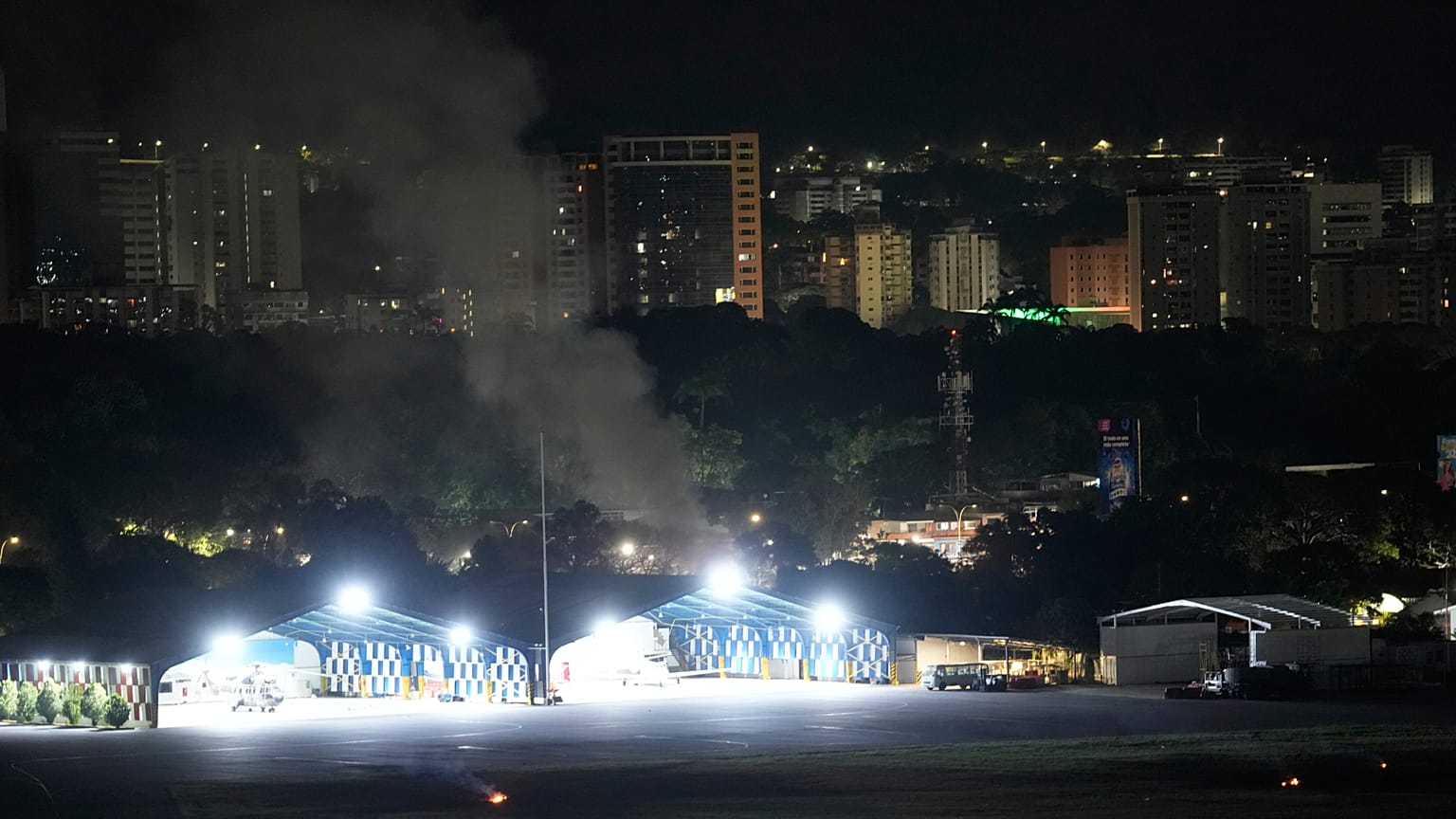
Eye witnesses reported explosions at several military installations in Caracas, including La Carlota, a military airfield and the main military base of Fuerte Tiuna.
In a statement, the Venezuelan government said it "rejects, condemns, and denounces before the international community the extremely grave military aggression carried out by the current Government of the United States of America against Venezuelan territory and population."
"The objective of this attack is none other than to seize Venezuela’s strategic resources, particularly its oil and minerals, in an attempt to forcibly break the Nation’s political independence," it added.
In the statement the government also called on the country's "social and political forces" to "activate mobilisation plans".
It said President Maduro has signed and ordered the implementation of the "Decree declaring a State of External Disturbance".
People in various neighbourhoods rushed to the streets. Some could be seen in the distance from various areas of Caracas.
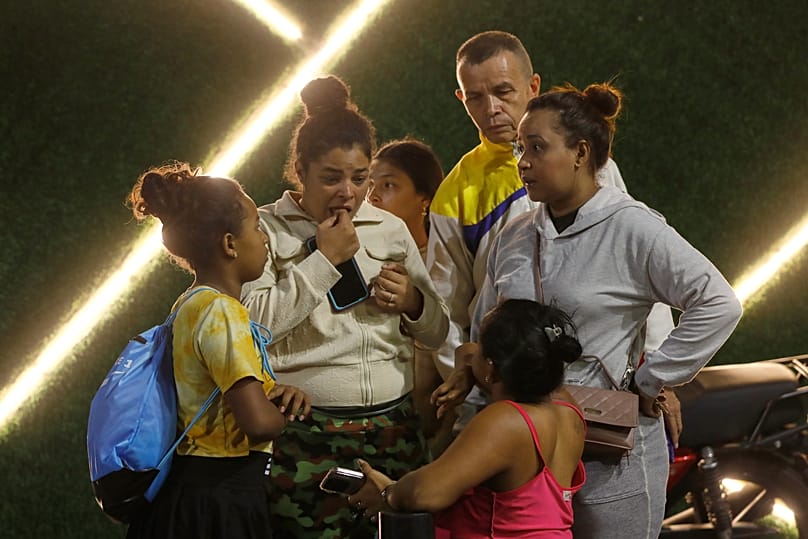
“The whole ground shook. This is horrible. We heard explosions and planes,” said Carmen Hidalgo, a 21-year-old office worker, her voice trembling. She was walking briskly with two relatives, returning from a birthday party. “We felt like the air was hitting us.”
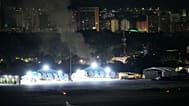
Smoke could be seen rising from the hangar of a military base in Caracas. Another military installation in the capital was without power.
Trump threatened strikes on Venezuelan land for months
The blasts came as the US military has been targeting alleged drug-smuggling boats. On Friday, Venezuela said it was open to negotiating an agreement with the US to combat drug trafficking.
Maduro also said in a pretaped interview aired Thursday that the US wants to force a government change in Venezuela and gain access to its vast oil reserves through the monthslong pressure campaign that began with a massive military deployment to the Caribbean Sea in August.
The CIA was behind a drone strike last week at a docking area believed to have been used by Venezuelan drug cartels in what was the first known direct operation on Venezuelan soil since the US began strikes on boats in September.
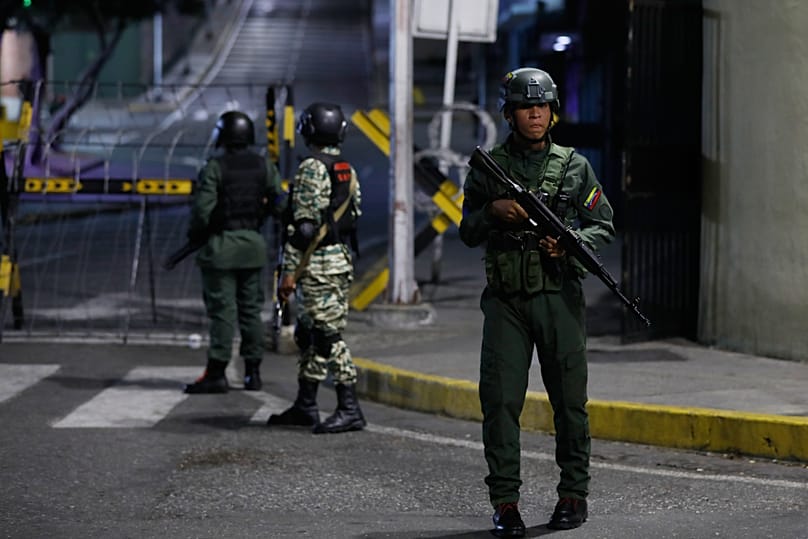
Trump had already threatened for months that he could soon order strikes on targets on Venezuelan land. The US has also seized sanctioned oil tankers off the coast of Venezuela, and Trump ordered a blockade of others in a move that seemed designed to put a tighter chokehold on the South American country’s economy.
The US military has been attacking boats in the Caribbean Sea and the eastern Pacific Ocean since early September.
As of Friday, the number of known boat strikes is 35 and the number of people killed is at least 115, according to numbers announced by the Trump administration.
Trump has justified the boat strikes as a necessary escalation to stem the flow of drugs into the US and asserted that the US is engaged in an “armed conflict” with drug cartels.