

















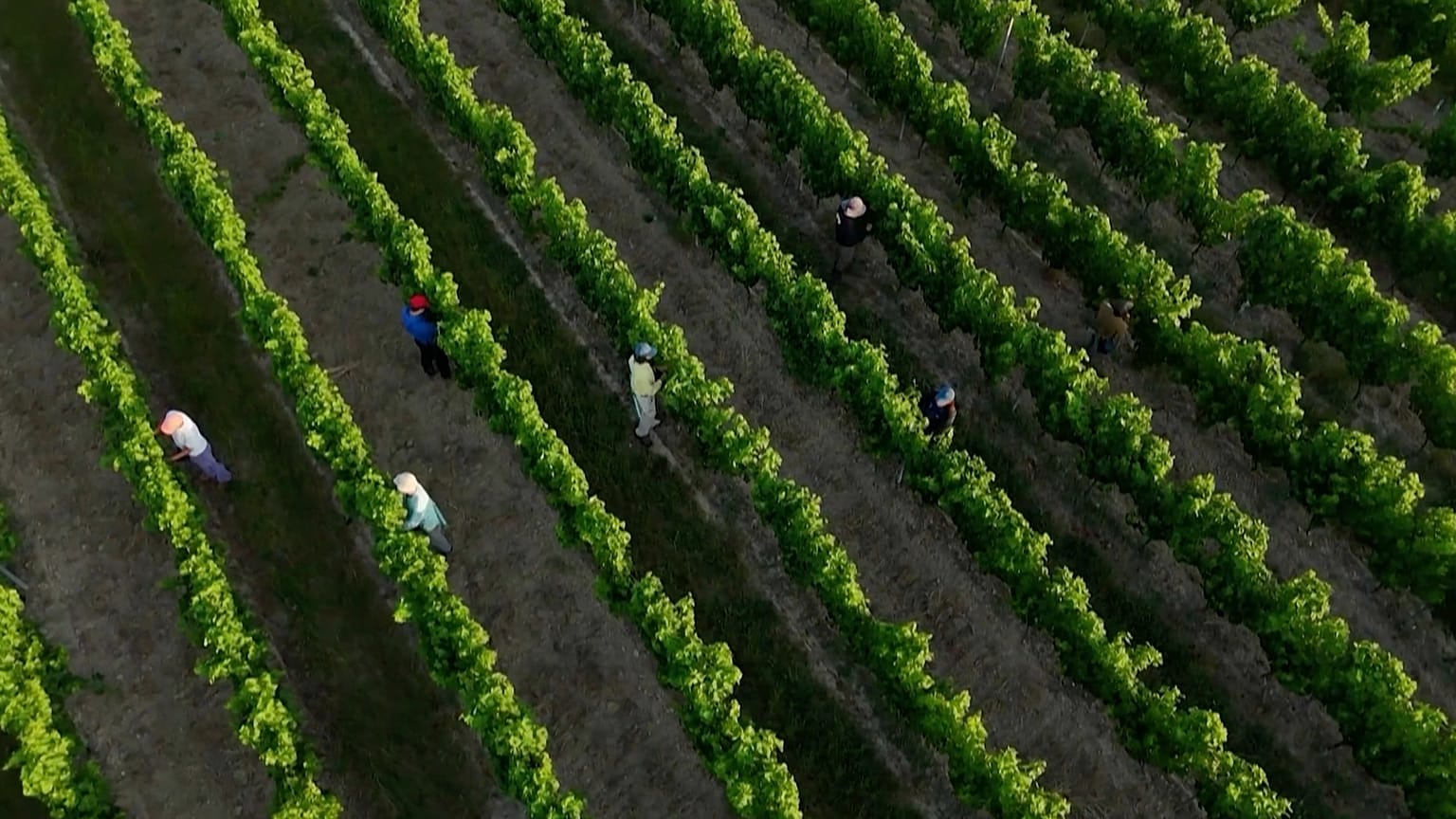













With temperatures set to soar as high as 40°C in the coming days, many workers are already changing their routines to adapt to the imminent challenges. In Bordeaux’s vineyards, the working day now starts before dawn as to protect workers from peak climates during the middle of the day.
With the heatwave settling over much of France for several days, some wine estates are bringing forward the working hours of their seasonal staff to avoid the hottest part of the day, especially in physcically intensive and laborious jobs.
 ADVERTISEMENT
ADVERTISEMENT
ADVERTISEMENT
This is the case in La Sauve, a commune in the southwest of France, in the Gironde department. Here vines are grown for Chateau Latorse, and the estate’s director has decided to have his seasonal workers start before dawn.
“Instead of working from 8 am to midday and then 2 pm to 6 pm, we now start at 6:30 in the morning and finish by 2:30 pm at the latest,” explains Daniel Latorse.
But this change in working hours must not make us forget safety rules when it comes to extreme heat.
“We ask them always to wear a t-shirt and shorts when it is hot and, above all, a cap for protection, as well as sunscreen, to avoid sunburn and heatstrokes,” added Latorse.

The alarm clock therefore rings earlier, but the seasonal workers are not complaining. By moving their working day forward, they escape the scorching afternoon heat and can rest when temperatures become hard to bear.
According to Hugo, a 17-year-old student working as a seasonal member of staff on the estate, the adapted schedule lets him rest in the afternoon and avoid the hottest hours when “work is impossible at those times”.
Much of Europe face similar challenges
Across France, this heatwave is already disrupting daily life. In schools, classrooms are sometimes barely bearable, forcing some local authorities to adjust timetables or even suspend activities.
On building sites, working patterns are being reorganised to avoid the hottest hours as well.
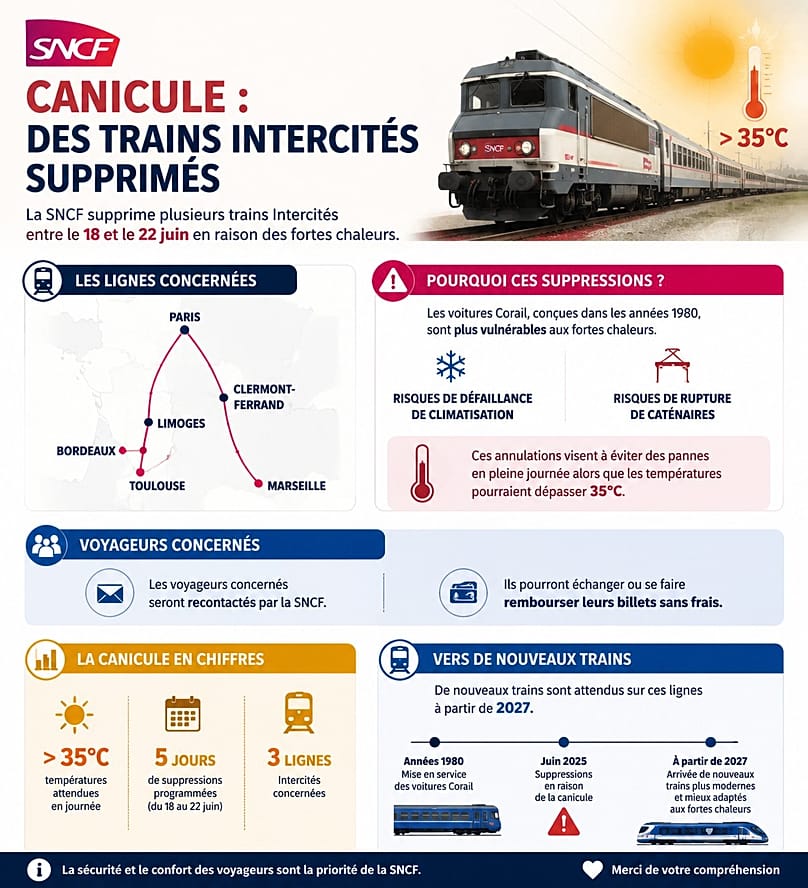
Transport is also under close watch, with disruptions already announced on several railway lines because of the risk of rails expanding or air-conditioning failures.
National French railway operator SNCF has on several occasions in recent days, adjusted its service plan in response to the high temperatures, with at least 71 routes being affected.
Beyond transport, other sectors are also affected. In the energy sector, nuclear power plants have to adjust their output because of constraints linked to high temperatures and the warming of rivers.
Agriculture is already under pressure in terms of crops and irrigation, with soils drying out quickly and in depth, while the risk of fires is rising sharply in several regions already stricken by drought.
Hospitals are seeing an increase in admissions linked to the effects of heat, particularly among the most vulnerable demographics, children and the elderly.
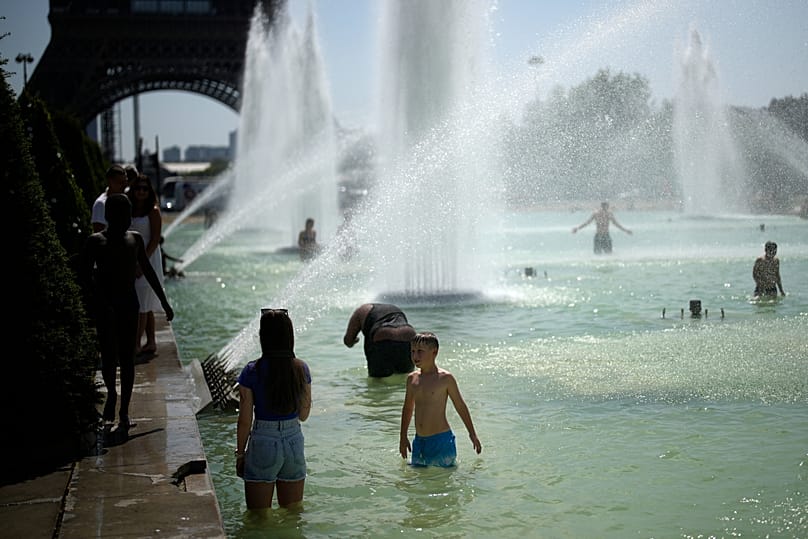
According to climatologists, these heat episodes are occurring earlier in the year and are becoming more frequent and more intense under due to the effects of climate change.
This trend is now firmly established, affecting much of Europe and forcing states to rethink fundamentally how they organise themselves in the face of extreme heat.