















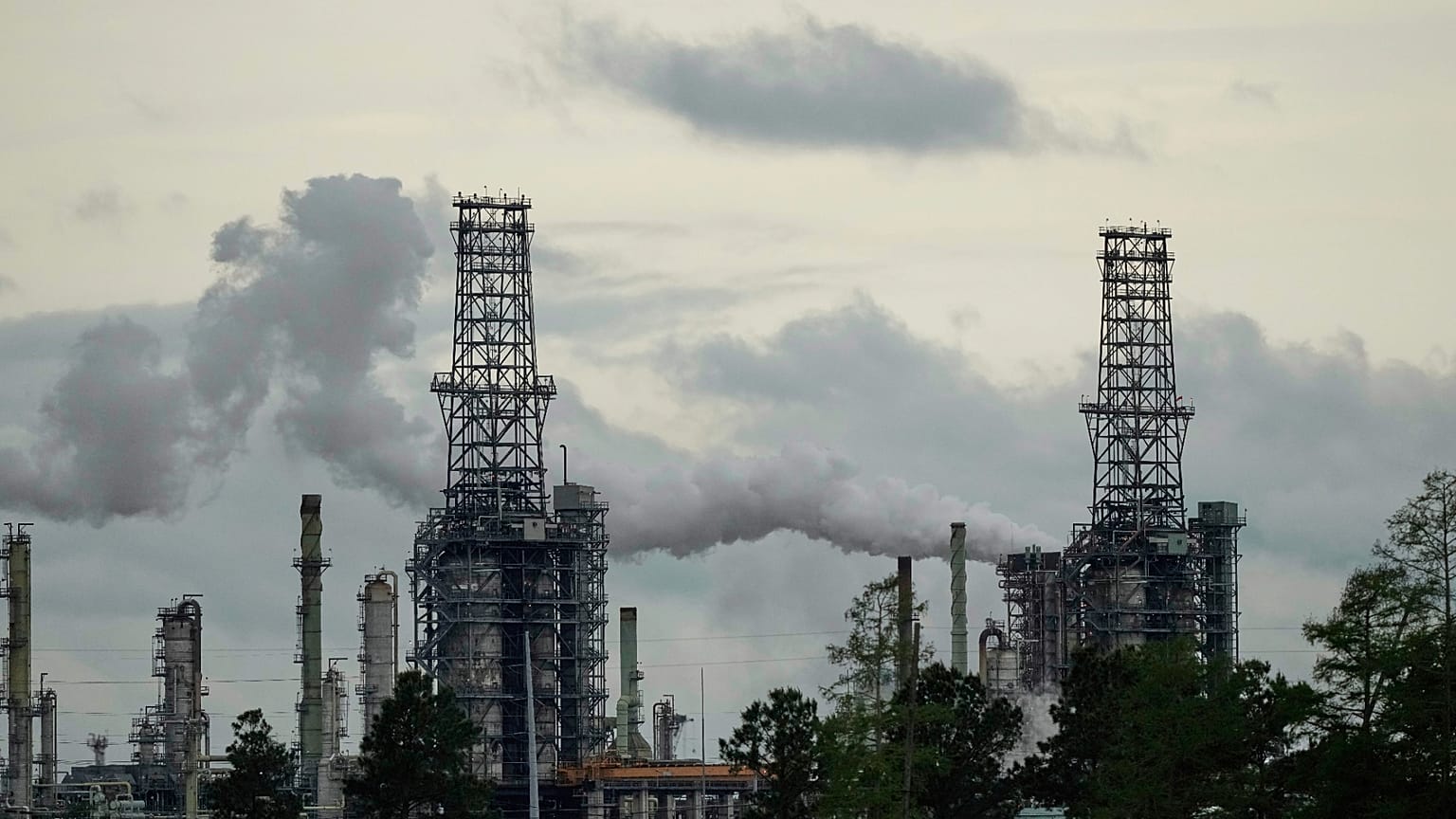













Crude prices surged on Monday morning as investors weighed the prolonged impact of the war in Iran on energy supplies.
Oil prices eclipsed $114 (around €98) per barrel for the first time since 2022 on Monday as the Iran war intensified, threatening production and shipping in the Middle East.
 ADVERTISEMENT
ADVERTISEMENT
ADVERTISEMENT
The price for a barrel of Brent crude, the international standard, surged past $114 after trading resumed on the Chicago Mercantile Exchange. That was up 23% from its Friday closing price of $92.69.
West Texas Intermediate, the light, sweet crude oil produced in the United States, was also selling for about $114 a barrel. That’s 25% higher than its close Friday at $90.90.
“The Iran conflict intensified over the weekend and oil briefly going above $115 a barrel has caused another bout of selling on financial markets,” Dan Coatsworth, head of markets at AJ Bell, said in a note sent to Euronews.
“Tipping over the $100 a barrel level has major implications from a psychological and economical perspective. It significantly raises the chances of a sharp jump in inflation and interest rates shifting to a completely different path than the market had priced in only two weeks ago. Markets are now pointing towards a situation where UK interest rates could remain level for the rest of the year and potentially go up in 2027. That is radically different from recent expectations of more cuts this year," he said.
Coatsworth also noted that investors are now weighing up the prospect of the Iran conflict lasting longer than they previously thought.
“Risk appetite has evaporated as investors lock in profits on areas of the market that have served them well in recent months and years, such as shares in Rolls-Royce and Lloyds, and gold. The precious metal was also dragged down by a strengthening US dollar which makes gold more expensive for buyers in other currencies." he added.
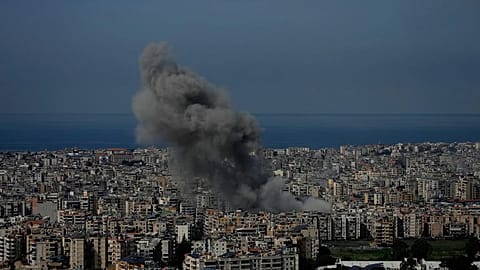
The war’s toll on civilian targets also grew early Monday as Bahrain accused Iran of striking a destination plant vital to drinking water supplies, and oil depots in Tehran smoldered following overnight Israeli strikes.
The increases followed the US crude price jumping by 36% and Brent crude rising by 28% last week. Oil prices have surged as the war, now in its second week, ensnared countries and places that are critical to the production and movement of oil and gas from the Persian Gulf.
Roughly 15 million barrels of crude oil — about 20% of the world’s oil — typically are shipped every day through the Strait of Hormuz, according to independent research firm Rystad Energy. The threat of Iranian missile and drone attacks has all but stopped tankers from traveling through the strait, which is bordered in the north by Iran, carry oil and gas from Saudi Arabia, Kuwait, Iraq, Qatar, Bahrain, the United Arab Emirates and Iran.
Meanwhile, the Financial Times reported on Monday morning that the Group of Seven (G7) finance ministers will discuss a joint release of oil from emergency reserves coordinated by the International Energy Agency, in light of the growing concerns around the supply of crude.
Euronews has contacted the IEA for comments.