




























From the oldest continuously inhabited city in Europe to the Bulgarian Riviera, here’s where the 71st edition might be held.
Bulgarians might still be celebrating their Eurovision win from the weekend – we’re personally big fans of the bus stop displays showing Bangaranga – but work has already begun on getting ready to host the 71st edition of the contest.
 ADVERTISEMENT
ADVERTISEMENT
ADVERTISEMENT
Aside from the capital, Sofia, three major cities are throwing their hats into the ring to succeed Vienna: Plovdiv, Burgas and Varna.
“The capital and the opportunities Sofia offers are unquestionably leading,” Minister of Culture Evtim Miloshev said on Bulgarian National Television. “But what happened on Sunday, with the three big cities, Burgas, Plovdiv and Varna, making a serious and ambitious statement of interest, is a good sign.”
In the past, capitals have typically been the host of the competition, but with recent editions held in places like Rotterdam, Turin, Liverpool and Malmö, it wouldn’t be surprising if Bulgaria chose to put the spotlight on another destination.
Here’s our guide to the potential host cities, each of which is worth visiting well before Eurovision comes to town in 2027.
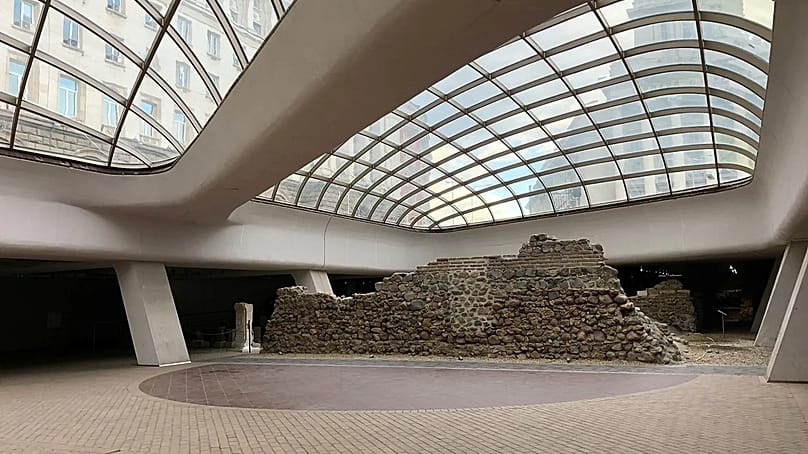
Sofia
Known as Serdica during antiquity, Sofia was once a major Roman city within the region. You can discover this history by visiting its numerous ruins, many of which you can see while passing through Serdica Metro Station.
In more modern times, Sofia has become a real street art hub, with more than 100 huge murals alongside innumerable smaller pieces on practically every corner. Highlights include Bozko’s modern interpretation of the St. George legend, and Inner Flame from 140 Ideas, which is an homage to the city’s firefighters.
As the city lies at the base of the Vitosha Mountain, it’s also a great place to visit for skiers. In January and February, you can head here for night skiing under the floodlights.
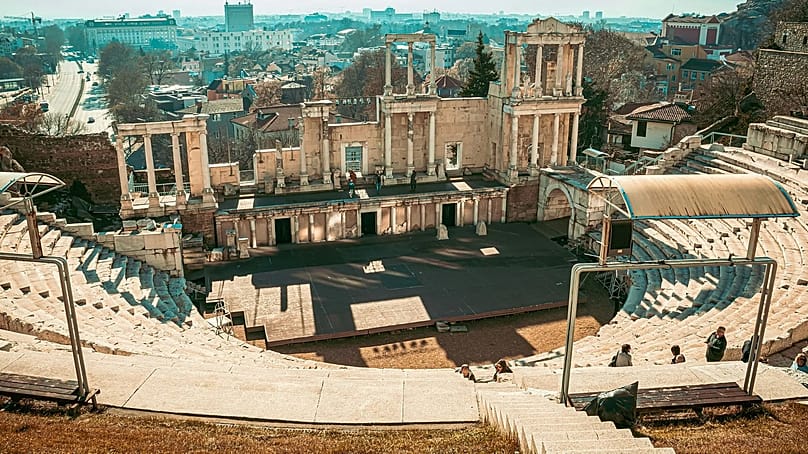
Plovdiv
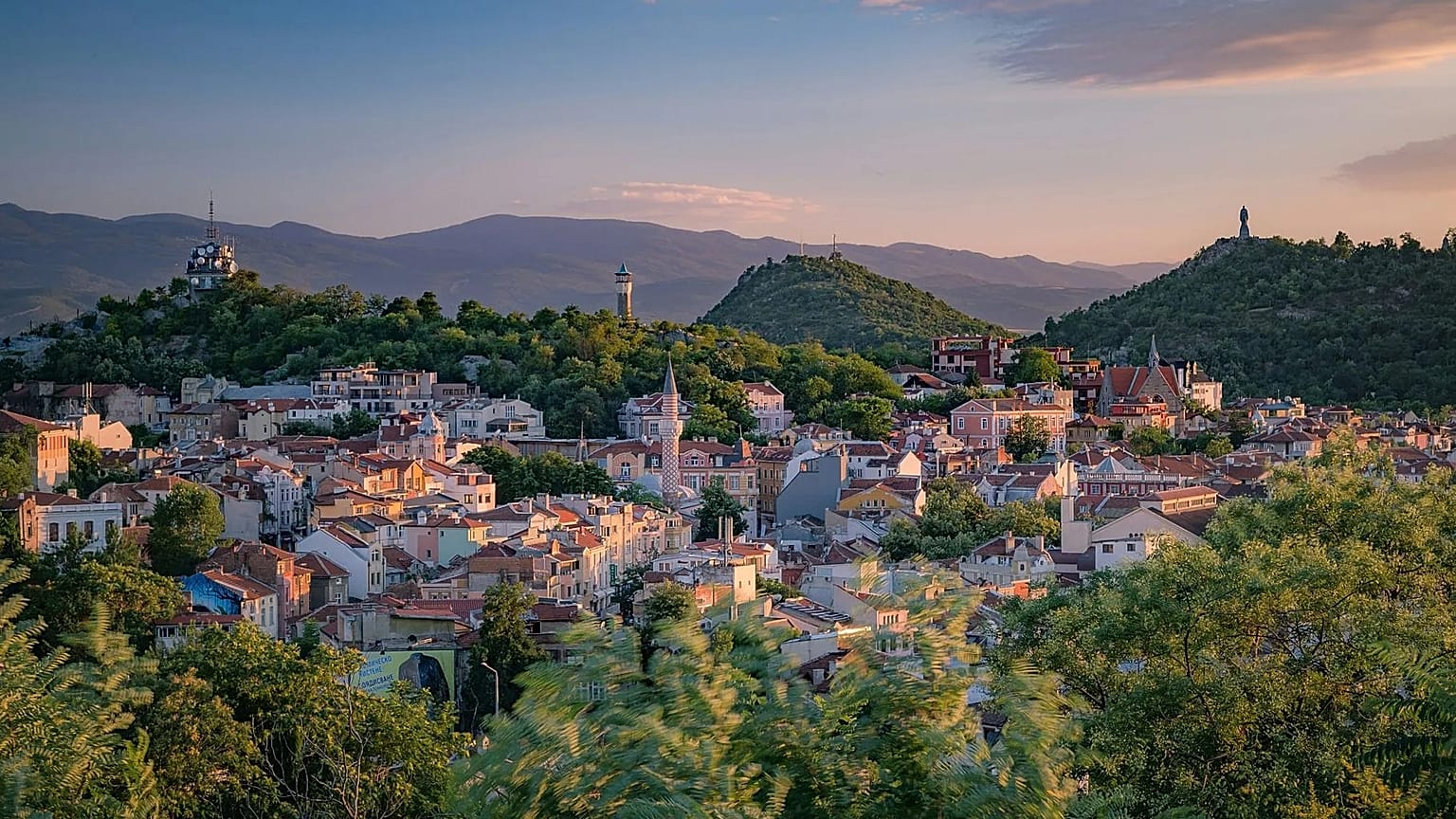
The oldest continuously occupied city in Europe, with evidence of settlements dating back to 6000 BC, Plovdiv is a must-visit for any history lover.
The city was settled on and among seven hills, and at the top of one of these, Nebet Tepe, you can walk around the remains of the city walls and fortress. It’s particularly popular at sunset, and for good reason.
My favourite sight, however, has to be the Roman theatre of Philippopolis. One of the best preserved ancient Roman theatres in the world, it’s named for Philip II, the father of Alexander the Great, who founded the city. Better still, it’s still in use for its original purpose today, with room for up to 6,000 spectators.
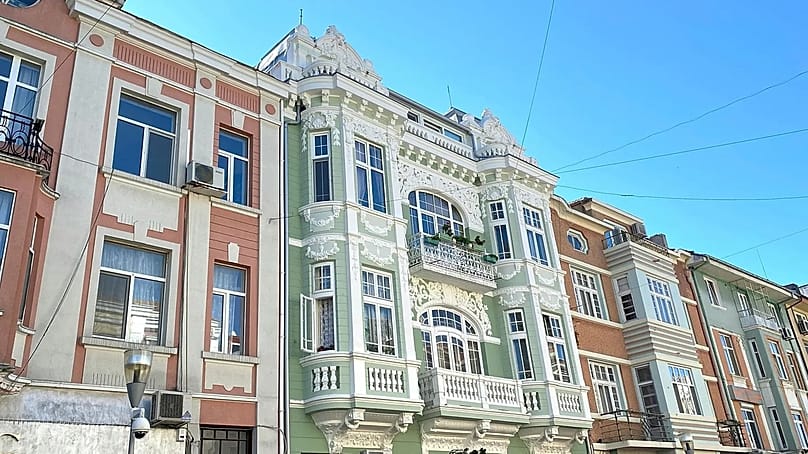
Varna
Bulgaria’s third largest city after Sofia and Plovdiv, Varna is located on the Bulgarian Riviera next to the Black Sea.
A major seaside resort, Bulgarians flock here in the summer to stretch out on its sandy shores.
That’s not the only reason to visit though, as Varna is also known for its archaeological history. There are some seriously impressive Roman ruins (are we sensing a theme here?), including the fourth largest baths in Europe.
Perhaps the most impressive site, however, is the Varna Necropolis, where the oldest processed gold in the world was discovered. Dating back to between 4600 BC and 4200 BC, you can see the treasures in the Varna Archaeological Museum.
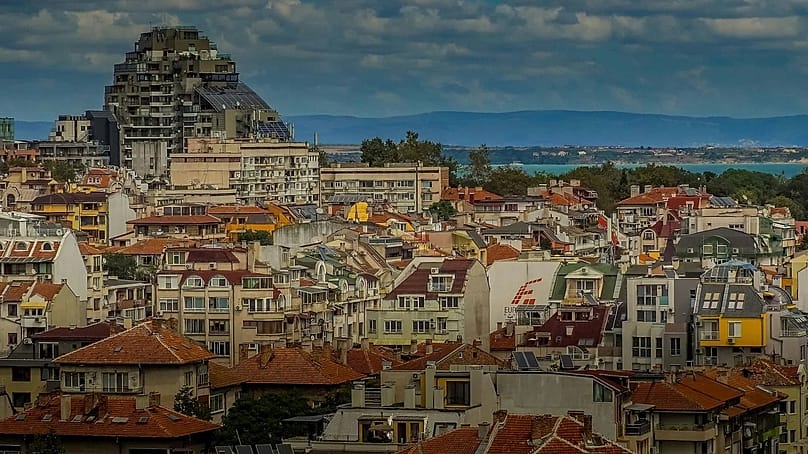
Burgas
While Burgas is also found in the Bulgarian Riviera, the city is perhaps just as well known for its lakes as it is its beaches.
Here, you’ll find the country’s largest lake – Lake Burgas – but you can also visit Lake Atanasovsko, whose waters have taken on a pink hue thanks to the algae that thrives here.
It wouldn’t be a Bulgarian city without a spot of history, and the UNESCO-listed Ancient City of Nessebar, which was originally a Thracian settlement, is just 30 kilometres outside of Burgas.