





























Prediction platforms Polymarket and Kalshi have made record profits this year, and now Mark Zuckerberg has reportedly directed tech giant Meta to build their own.
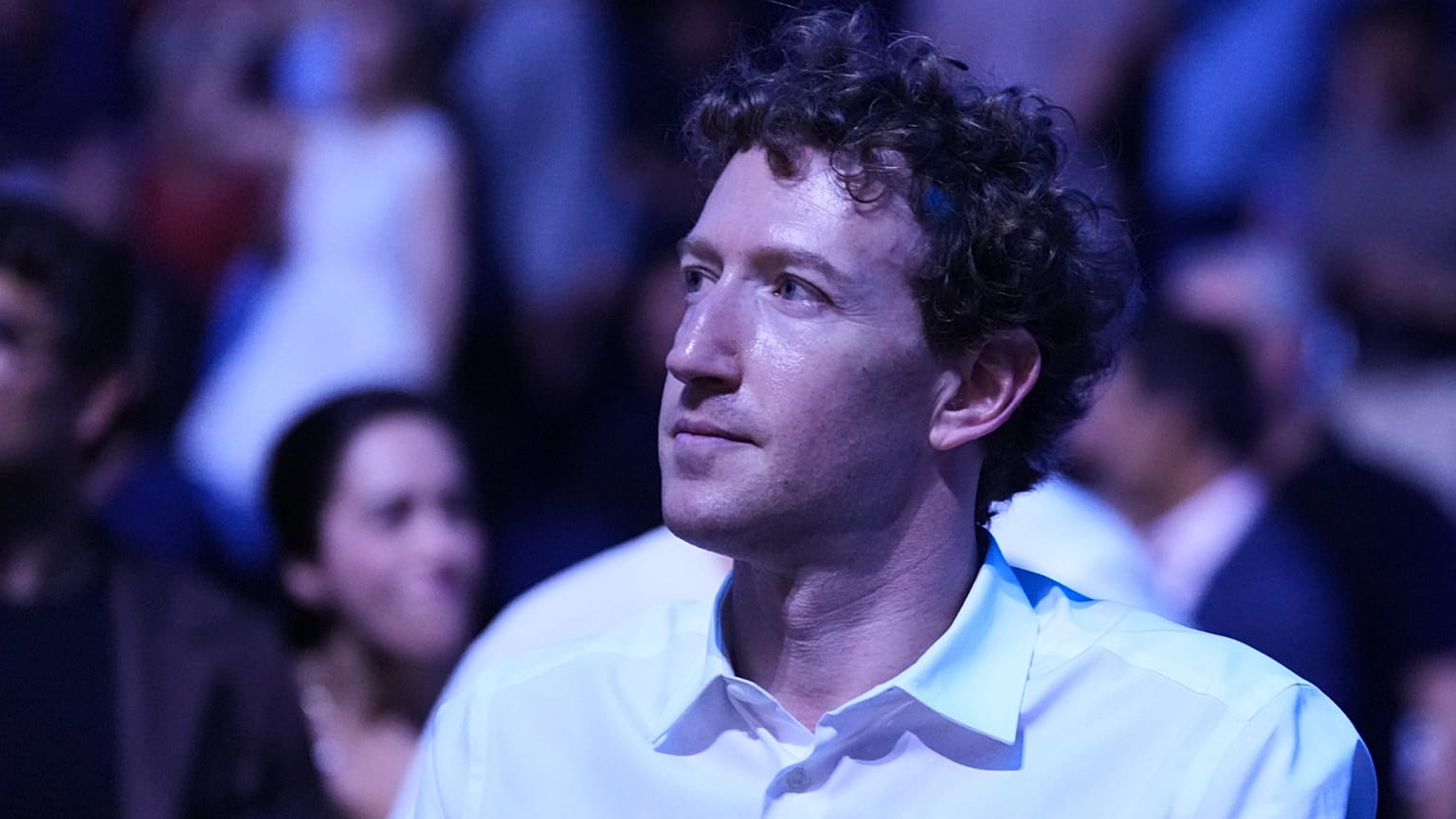
Meta CEO Mark Zuckerberg has given the green light to develop a prediction market app, according to the New York Times, as Meta moves to capitalise on one of the fastest-growing sectors in tech and finance.
 ADVERTISEMENT
ADVERTISEMENT
ADVERTISEMENT
The app is currently being referred to as Arena internally and would let users earn points for correctly predicting the outcomes of events such as sports results, political developments and stock market moves but without any real money changing hands, at least initially.
It would operate independently of Meta's existing social platforms, though those could funnel users towards it, according to the reporting.
What is a prediction market?
A prediction market is essentially a financial exchange where people buy and sell contracts or bets tied to the outcome of real-world events.
Each contract is a simple yes-or-no question, such as whether a certain candidate will win an election, a team will come out first in a championship or if a major political figure will pass by a certain date.
On Polymarket and Kalshi, the two most popular prediction market platforms, users buy contracts that pay out $1 if they are right and nothing if they are wrong.
As more people trade those contracts, the price reflects the market's probability of the event occurring. If a bet is worth 40 cents, there's a 40% chance of it happening, according to the people who have placed bets.
Fans of prediction markets argue the mechanism produces more accurate forecasts than polls or political analysts because participants have real money on the line.
Polymarket and Kalshi
The two dominant platforms in the space are Polymarket and Kalshi, which together generated around 85–90% of the roughly $44 billion (€40bn) in total trading volume recorded in 2025.
Polymarket, founded in 2020 by New York University dropout Shayne Coplan, operates globally on the blockchain. In October 2025, the New York Stock Exchange's parent company invested $2 billion (€1.8bn) in the platform, in a major sign that Wall Street was taking the sector seriously.
Kalshi, founded in 2018 by two MIT graduates, spent years winning regulatory approval before launching as the first prediction market sanctioned by the US Commodity Futures Trading Commission (CFTC).
The turning point came in October 2024, when a US court ruled Kalshi could legally offer election contracts 32 days before the presidential election. Monthly trading volume has since surged from less than $5 billion (€4.6bn) in September 2025 to around $24 billion (€21.8bn) in April 2026, overtaking the roughly $14 billion (€12.7bn) wagered monthly through legal or traditional US sportsbooks.
Donald Trump Jr. becoming an investor in Polymarket and a paid adviser to Kalshi, while federal regulators adopted a more permissive stance, also helped fuel the boom.
The risks
The boom has not come without controversy and legal cases have mounted, with a former special forces soldier getting arrested over allegations he used insider knowledge of a US operation to capture Venezuelan president Nicolás Maduro to place a winning trade on Polymarket worth around $400,000 (€365,000).
Some US states have begun suing the platforms, arguing they are running illegal gambling operations without proper licences. The Trump administration has responded by suing the states that have moved to ban prediction markets, creating a messy legal standoff between federal and state authority.
A New York Times review found that Polymarket published hundreds of false and misleading social media posts, while Politico uncovered a campaign to pay influencers to praise the platform's supposed accuracy.
Whether Meta's gamified, cashless version of the concept can avoid those pitfalls or will simply serve as a gateway to them remains unclear.